10 Best Clamshell Plastic Containers for Wholesale Buyers?

Time:2026-09-21 Author:Oliver
0%

Choosing the right Clamshell Plastic Containers can shape product protection, shelf appeal, and wholesale profitability. A weak package may crack during transport, trap moisture, or create unnecessary material costs. For buyers ordering thousands of units, small design differences become significant expenses.

This guide examines ten practical options for wholesale purchasing. It considers plastic type, wall strength, hinge performance, closure security, visibility, stacking efficiency, and customization potential. Each factor matters on a busy packing line. A container should open smoothly, close firmly, and remain clear after handling. It should also match the product’s weight, shape, and storage conditions. Samples deserve careful testing.

Real purchasing experience shows that attractive packaging is not always efficient packaging. Some containers look premium but waste carton space. Others cost less but fail after repeated opening. Supplier communication also matters, especially when buyers need consistent dimensions, accurate quantities, and dependable lead times. Product specifications should be reviewed against actual samples, not only catalog images.

No option fits every wholesale operation. That is worth remembering. Fresh produce, bakery items, hardware, cosmetics, and small retail products require different protection levels. Environmental expectations may influence the final choice, too. Recyclability claims should be checked carefully, because local collection systems and material markings can vary. This comparison aims to support informed decisions through practical criteria, transparent limitations, and realistic trade-offs. The best container is not necessarily the cheapest. It is the one that protects the product, supports efficient handling, and remains commercially sensible at scale.
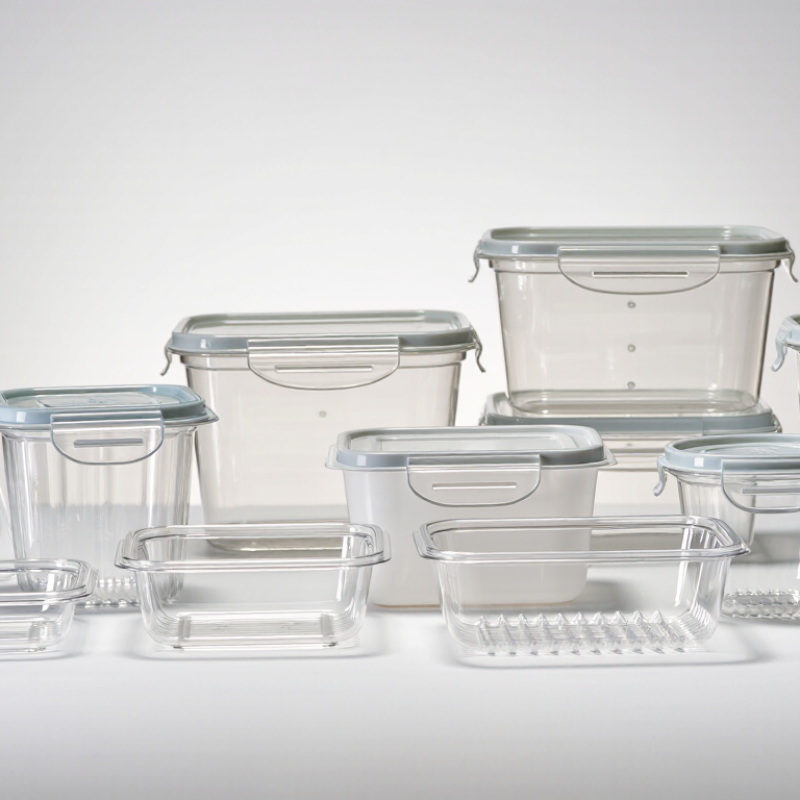
10 Best Clamshell Plastic Containers for Wholesale Buyers?

Clamshell Fundamentals: PET #1, PVC #3, and PP #5 Resin Options

PET #1 offers clear presentation, strong stiffness, and reliable visibility for produce, hardware, and small retail items. Its crisp surface helps customers inspect products without opening the package. However, PET can crack under sharp impact or cold handling. Test filled samples before placing a large order.

PVC #3 is another clear option, often valued for its flexibility and practical forming performance. It can protect lightweight products while keeping display costs manageable. Yet PVC recycling access varies widely, and some applications may require closer review of additives, labeling, and disposal guidance. Ask suppliers for resin specifications, thickness data, and intended-use documentation. Vague answers are a warning sign.

PP #5 brings useful toughness and better heat resistance than many common clamshell materials. Its slight flexibility helps hinges survive repeated opening, although excessive bending may still cause whitening or fatigue. PP is often less visually clear than PET or PVC, which can affect premium presentation. Measure hinge cycles, closure force, and stacking strength using actual warehouse conditions. We once trusted a polished sample too quickly; filled cartons exposed weak corners. That mistake was avoidable. A dependable wholesale choice balances product protection, visibility, sealing performance, and regional recycling realities.

Wholesale Specifications: Gauge, Dimensions, Case Pack, MOQ, and Unit Cost

10 Best Clamshell Plastic Containers for Wholesale Buyers?

Wholesale Specifications: Gauge, Dimensions, Case Pack, MOQ, and Unit Cost

The ten best clamshell containers are not always the cheapest options. In purchasing reviews, I compare material gauge, product dimensions, closure strength, and visibility. A 12–16 mil wall often suits lightweight bakery items, produce, and small hardware. Heavier contents may need a thicker gauge. Fit matters. Measure the product after filling, including height and irregular edges. A container that looks correct on paper may crush under stacking pressure.

Dimensions should match both the product and the shipping carton. Ask for internal measurements, not only external size. Case pack affects warehouse space, freight cost, and handling time. A pack of 100 may suit smaller buyers, while 500 or more can reduce packaging cost. However, large case packs may create slow-moving inventory. That risk deserves attention.

MOQ is equally important. Some suppliers accept low trial quantities, while custom colors or tooling often require larger orders. Request the MOQ for standard and customized versions separately. For unit cost, compare the complete quote, including lids, inserts, printing, cartons, and delivery terms. A low unit price can hide expensive freight or excessive case packing. I would also request samples from two production lots when possible. One sample proves little. Test closure alignment, hinge fatigue, clarity, and stacking with real products. My first estimate may be wrong, especially when seasonal demand changes. Recheck it before scaling.

Ten Best Clamshell Types Ranked by Product Fit and Protection

10 Best Clamshell Plastic Containers for Wholesale Buyers?

Ten Best Clamshell Types Ranked by Product Fit and Protection

For wholesale buyers, product fit matters more than appearance. My ranking starts with protection, visibility, sealing, and packing speed.

1. Hinged PET clamshells suit berries, small hardware, and retail accessories. They offer clear visibility and reliable impact resistance.
2. RPET clamshells fit buyers seeking recycled content without losing product visibility.
3. Ventilated produce clamshells protect moisture-sensitive fruits and vegetables.
4. Heat-sealed PET clamshells provide stronger closure and better tamper evidence.
5. Deep-capacity clamshells protect bulky cosmetics, tools, and compact electronics.
6. Tamper-evident clamshells suit high-handling retail environments.
7. Thin-wall clamshells reduce material use, but they can crease under pallet pressure.
8. Paperboard-backed clamshells improve branding space and stacking stability.
9. PP clamshells handle warmer products better than many PET formats.
10. PLA clamshells suit selected cold-food applications, though temperature limits remain important.

The ranking is practical, not absolute. A fragile item may need deeper walls, stronger hinges, or a custom insert. EPA data shows containers and packaging generated 82.2 million tons of U.S. municipal solid waste in 2018. That figure keeps material reduction relevant. PMMI’s 2024 packaging research also identifies sustainability and operational efficiency as major investment priorities. Protection still matters, though. Damaged goods create hidden waste.

Tips: Test samples with real products, filled cartons, and rough transport handling. Check hinge fatigue after repeated opening. Measure sealing consistency across several production batches. I would not choose the lightest shell automatically. Sometimes, a slightly thicker wall prevents more waste.

10 Best Clamshell Plastic Containers for Wholesale Buyers

Ten clamshell types ranked by product fit and protection. Scores use a 1–10 comparative index based on closure security, rigidity, visibility, ventilation, tamper resistance, and suitability for common wholesale product categories.

Higher scores indicate a stronger overall match for wholesale packaging needs. Product fit reflects how well each format suits its typical application, while protection reflects resistance to crushing, contamination, opening, and handling damage.

Compliance Metrics: FDA 21 CFR, EU 10/2011, ASTM D7611, and ISO 18606

For wholesale buyers, the best clamshell containers need more than clear walls and secure hinges. Compliance documents should match the intended food, temperature, and market.

FDA 21 CFR requirements help confirm that plastic components are suitable for food contact under stated conditions. Ask for declarations, migration information, and test reports, not vague “food grade” claims. Check whether the container handles hot filling, refrigeration, or oily foods. One test may not cover every use.

EU Regulation 10/2011 focuses on plastic food-contact materials placed in the European market. Suppliers should identify the polymer, additives, intended use, and applicable migration limits.

ASTM D7611 matters differently. It defines resin identification codes, helping sorting and material identification; it does not prove food-contact safety or recyclability.

ISO 18606 addresses packaging designed for organic recycling, including compostability-related requirements and process compatibility. A container marked “compostable” still needs evidence for the target collection system.

Inspect samples under real conditions.

Fill them, chill them, stack them, and open the lids repeatedly. Look for stress whitening, cracked hinges, odor transfer, and distorted bases.

Keep batch records and supplier declarations together. Documentation can be incomplete. That is common. Treat missing evidence as a purchasing risk, not a minor paperwork issue.

A practical scorecard should compare compliance scope, test dates, material consistency, and claims printed on the package.

Buyer Scorecard: Seal Strength, Defect Rate, Lead Time, and Recyclability

For wholesale buyers comparing ten clamshell plastic containers, a scorecard should begin with measurable seal strength. Use ASTM F88/F88M for seal-force testing, and record results across multiple production lots. A strong seal should survive stacking, vibration, and a cold warehouse without opening. One attractive sample proves very little. Ask for test conditions, sampling plans, and failure photographs.

Defect rate needs equal attention. Track warped hinges, cloudy panels, incomplete seals, and sharp edges during incoming inspection. ISO 2859-1 can guide acceptance sampling, but buyers should not treat an inspection limit as a quality guarantee. Lead time also deserves evidence. Request production capacity, tooling schedules, shipping history, and a written recovery plan. A supplier promising seven days may still miss a seasonal launch. I have seen short quotes hide long approval cycles.

Tips: Score every lot, not just the first sample. Keep separate records for seal failures and cosmetic defects. For recyclability, request the exact resin identification and compatible closures. The OECD Global Plastics Outlook reports that only 9% of plastic waste was recycled globally in 2019. That figure makes material simplicity important. The U.S. EPA’s Facts and Figures reports also show that plastic packaging recovery remains limited. Avoid vague “eco-friendly” claims. Check local sorting guidance and use recognized design recommendations. Recyclability can fail in practice, even when the polymer is technically recyclable.

FAQS

What wall thickness suits most lightweight products?

A 12–16 mil wall often suits bakery items, produce, and small hardware. Heavier contents may require thicker plastic. Test before ordering.

How should I confirm the correct container dimensions?

Measure the filled product, including height and uneven edges. Request internal dimensions, not only external measurements. Paper measurements can mislead.

Why does case pack size matter?

A case of 100 may suit smaller warehouses. Packs of 500 or more can lower packaging costs. Large packs may create slow-moving inventory.

How can I compare wholesale unit costs fairly?

Review lids, inserts, printing, cartons, and delivery terms. A low unit price may hide costly freight. Check the complete quote.

What should I ask about minimum order quantities?

Request separate MOQs for standard and customized containers. Custom colors or tooling may require larger orders. Trial quantities reduce purchasing risk.

What should product samples be tested for?

Fill samples with real products, then chill and stack them. Check closure alignment, hinge fatigue, clarity, and base distortion. Open the lids repeatedly.

Which compliance documents should wholesale buyers request?

Request declarations, migration data, and current test reports. Documents should match the food type, temperature, and target market. “Food grade” alone is vague.

Do recycling or compostability markings prove safety?

No. Resin identification codes support material sorting, but they do not prove food-contact safety. Compostability claims need evidence for the local collection system.

How should I manage uncertain supplier information?

Keep batch records, declarations, and test dates together. Missing evidence is a purchasing risk. My first estimate may be wrong, so I would recheck demand before scaling.

Conclusion

For wholesale buyers, Clamshell Plastic Containers should be evaluated by material, product fit, and total purchasing value. PET #1 offers clear presentation and strong rigidity, PVC #3 can provide flexible and economical packaging options, while PP #5 performs well when heat resistance and durability are priorities. The most suitable clamshell type depends on the product’s size, shape, weight, fragility, and display requirements. Buyers should compare gauge, dimensions, case pack quantities, minimum order quantities, and unit cost before selecting a supplier.

A practical purchasing review should also measure seal strength, defect rate, production lead time, and recyclability. Compliance documentation is equally important, including food-contact requirements under FDA 21 CFR and EU 10/2011, resin identification guidance under ASTM D7611, and recycling-related considerations under ISO 18606. By ranking options according to protection, usability, shipping efficiency, and environmental performance, wholesale buyers can identify packaging that balances reliable product security with consistent supply and responsible end-of-life handling.

Oliver

Oliver

Oliver is a seasoned marketing professional with a wealth of expertise in driving brand awareness and engagement. With a deep understanding of our company's product offerings, he consistently delivers high-quality content that enriches our professional blog. His insights not only shed light on......