Explore our precision-engineered food-grade box and container solutions, manufactured under strict quality standards to ensure shelf-life expansion and structural integrity.
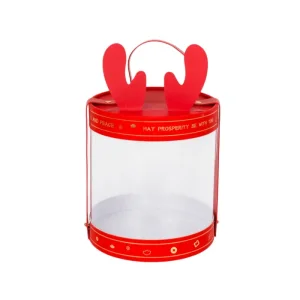
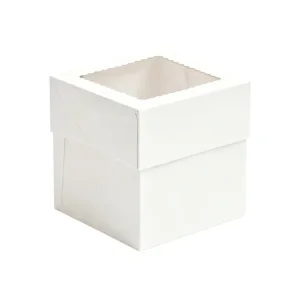
How modern flexible packaging engineering, re-sealable zip technologies, and high-barrier polymer laminations drive total cost optimization and brand equity for global FMCG enterprises.
The global packaging ecosystem has reached a structural inflection point. Enterprise brand owners across food processing, pet nutrition, specialty coffee, and chemical retail are rapidly phasing out heavy, rigid metal tins, glass jars, and un-sealable paper cartons in favor of multi-layer flexible zipper pouches. Modern ODM Zipper Packaging Pouch Factories provide the precise engineering backbone required to execute this transition without compromising product shelf-life or logistics efficiency.
Flexible zipper packaging offers an unmatched volumetric ratio. Unfilled pouches consume up to 85% less shipping space and storage volume compared to rigid containers, drastically shrinking logistics carbon footprints and warehousing overheads. From a consumer perspective, the integration of high-performance press-to-close zippers, slider locks, and pocket zippers delivers re-sealable convenience, safeguarding aroma, freshness, and moisture protection throughout the product lifecycle.
Navigating Original Design Manufacturing (ODM) in the flexible packaging domain demands deep material science competence. Rather than offering off-the-shelf, single-film solutions, top-tier factories utilize custom polymer laminations tailored precisely to the Water Vapor Transmission Rate (WVTR) and Oxygen Transmission Rate (OTR) demands of the target fill.
Key technological vectors transforming the ODM flexible packaging landscape from 2026 into the next decade.
Traditional high-barrier zipper pouches relied heavily on un-recyclable multi-material constructions, combining PET, Aluminum foil, and Polyethylene (PE). Modern environmental legislation (such as the EU Packaging and Packaging Waste Regulation) has accelerated the move toward mono-material structures.
State-of-the-art ODM factories now specialize in Mono-PE and Mono-PP zipper pouches. By utilizing Machine Direction Orientation (MDO-PE) films coupled with high-barrier EVOH or AlOx coatings, these pouches deliver equivalent gas and moisture protection while remaining fully recyclable within standard PE plastic waste streams (RIC 4).
Zipper mechanics have evolved significantly past standard press-seal tracks. Advanced ODM services incorporate specialized re-closure mechanisms engineered for specific product applications:
Visual and tactile differentiation on retail store shelves is paramount. Modern ODM production lines integrate 10-color electronic high-speed rotogravure printing along with digital hybrid offset presses for short-run customization.
Innovative surface treatments include registered spot matte and gloss finishes, soft-touch velvet laminations, sand-touch textures, and metallic foil stamping—creating premium brand experiences that command higher retail margins.
What procurement heads, supply chain directors, and packaging engineers demand when qualifying an ODM zipper pouch factory.
Enterprise procurement teams face complex challenges when sourcing flexible packaging overseas. The risk of batch-to-batch variation, zipper bursting under pallet pressure, film delamination, and non-compliant food-contact materials can cause severe supply chain disruptions and brand damage. Qualifying an ODM manufacturer requires evaluating their total cost matrix, quality control infrastructure, and technical support services.
| Procurement Evaluation Vector | Standard Commercial Factory | Enterprise-Grade ODM Zipper Pouch Factory |
|---|---|---|
| Material Traceability | Generic material safety data sheets; mixed scrap film usage. | 100% Virgin food-grade resins with full raw material batch traceability and FDA/EU food-contact certs. |
| Seal Integrity Testing | Visual checks only; manual tear inspection. | ASTM F88 burst testing, ASTM F1929 dye penetration leak testing, and automated optical sensor validation. |
| Zipper Pull Retention Force | Inconsistent zip force; prone to popping open under drop stress. | Standardized mechanical pull testing maintaining 15N to 35N seal force tailored to product weight. |
| Defect Rate Threshold (AQL) | AQL 2.5 Major / 4.0 Minor. | Strict AQL 0.65 Major / 1.5 Minor, supported by inline vision sorting technology. |
| Regulatory Support | Basic invoice and export packing list provided. | Full regulatory dossier: REACH, RoHS, Heavy Metal test, EU 10/2011, FDA 21 CFR, and EPR declarations. |
Structural design options tailored to diverse retail applications, filling machinery, and consumer handling needs.
Featuring a bottom gusset that expands when filled, providing excellent stability for retail displays. Ideal for snacks, candy, nuts, and dried fruit.
The gold standard for premium packaging. Combines five printable panels with a flat rectangular base, offering superior volume efficiency and shelf presence.
Sealed on four corner edges to provide reinforced vertical structure. Retains shape exceptionally well under heavy weights (2kg to 10kg bulk fills).
Precision die-cut profiles customized to match brand iconography, fruit shapes, or ergonomic grips, creating instant visual impact on crowded retail shelves.
Navigating international trade barriers, environmental mandates, and food safety standards with documented factory auditing.
A reputable ODM zipper pouch factory operates strictly under international manufacturing standards. Facility certifications assure buyers that products are clean room manufactured and safe for direct food contact.
To eliminate shipping delays and import complexities, direct ODM factory services extend beyond packaging production to include complete logistics support:
Pioneering smart manufacturing technologies and bio-based polymer developments shaping the next generation of flexible pouch converting.
R&D efforts are expanding into certified home-compostable barrier films (EN 13432 & ASTM D6400 standard). Combining PLA (Polylactic Acid), PBAT, and cellulose-based barrier layers enables zipper pouches to break down completely in industrial or home composting setups within 180 days, eliminating microplastic accumulation.
High-speed converting machinery is now integrated with real-time AI optical sensor arrays. These systems inspect every printed millimeter, detecting pinhole leaks, zipper misalignment, or print registration errors at 300 meters per minute. Furthermore, CNC laser scoring ensures precision tear notches without weakening the underlying barrier layer.
Next-generation zipper pouches feature integrated digital identity solutions. Surface-printed variable QR codes and embedded ultra-thin NFC tags support brand authentication, consumer engagement programs, anti-counterfeiting tracking, and full supply-chain transparency from factory floor to end user.
Detailed technical answers to common questions asked by enterprise packaging buyers, brand owners, and procurement specialists.
For fully customized ODM zipper pouches—featuring custom size dimensions, multi-layer material laminations, and up to 10-color rotogravure printing—our standard production MOQ starts at 10,000 to 20,000 pieces per SKU (depending on overall pouch dimensions). For digital printing short-runs or stock structural formats with custom surface sleeves, lower MOQs starting from 3,000 pieces can be arranged to support market testing and pilot launches.
Barrier selection depends directly on your product's sensitivity to moisture, oxygen, UV light, and aroma loss. Foil-based laminates (PET/AL/PE) deliver near-zero OTR and WVTR ratings (<0.05 cc/m²/24hrs), making them ideal for long shelf-life items like beef jerky, specialty coffee, and pharmaceuticals. Metallized structures (Kraft/VMPET/PE) offer high moisture and light protection at a lower unit cost and lighter weight. Mono-PE or Mono-PP structures utilize MDO-PE and EVOH coatings to achieve moderate to high barrier performance while meeting 100% recyclable environmental guidelines.
Yes. We manufacture certified Child-Resistant press-to-close and push-and-slide zipper mechanisms tested in accordance with US 16 CFR § 1700.20 and ISO 8317 safety standards. These specialized zippers prevent young children from opening the package while remaining accessible for adults and seniors. They are widely used for pharmaceutical packaging, household chemicals, and regulated retail products.
Every production lot undergoes rigorous laboratory quality assurance. This includes ASTM F88 burst and seal strength testing, ASTM F1929 dye penetration leak testing for seal integrity, gas chromatography testing for residual solvent levels, drop-impact testing from 1.8 meters, and mechanical zipper pull-force validation. A formal Inspection & QC Certificate is provided with every shipment container loading report.
Plain structural die-line physical samples or digital print proof mock-ups are produced within 3 to 5 working days. Pre-production cylinder-printed proof samples require 7 to 10 working days for engraving and setup. Mass production turnaround is typically completed within 15 to 25 calendar days following artwork confirmation and sample approval, depending on order quantity and finishing complexity.
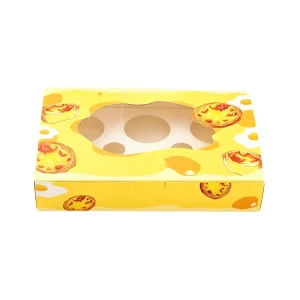
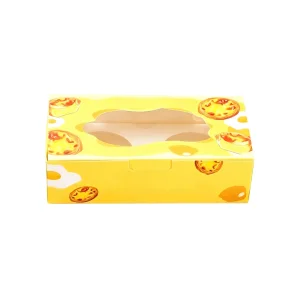
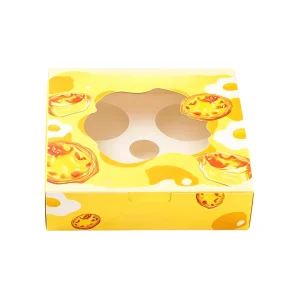
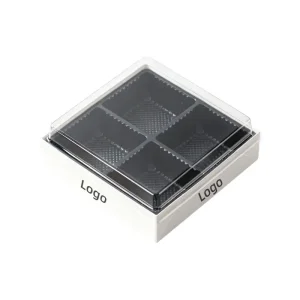
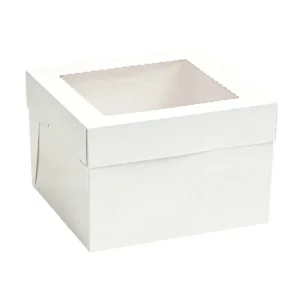
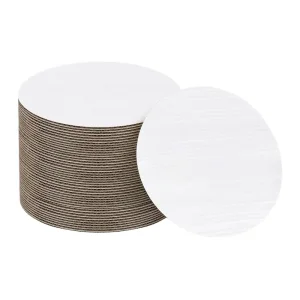
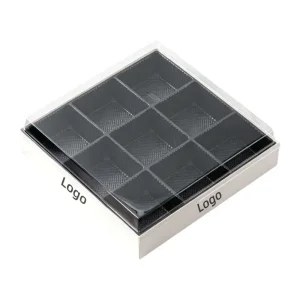
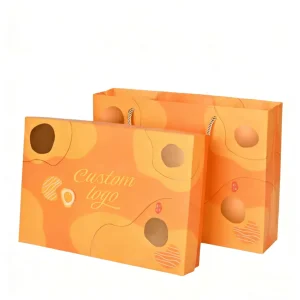
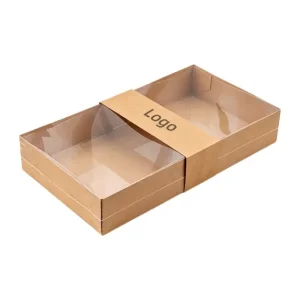
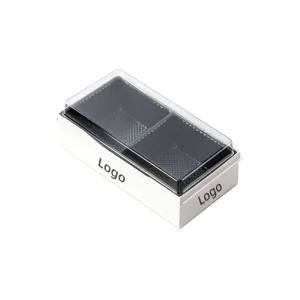
Browse our complete line of custom bakery, pastry, and food-grade packaging formats tailored for wholesale distribution and retail display.
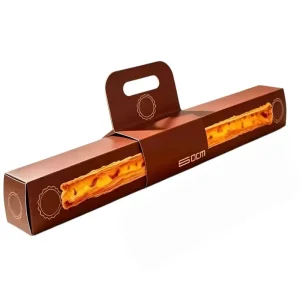
Connect directly with our packaging engineering team. Submit your target product dimensions, barrier requirements, and annual volume needs to receive a comprehensive technical proposal, structural die-lines, and factory-direct quotation within 24 hours.