Explore initial structural prototypes engineered for food safety, high-clarity PET integration, and retail display optimization.
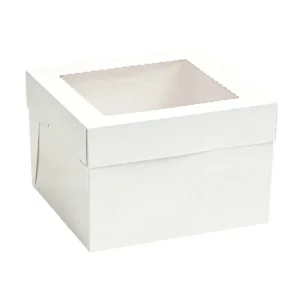
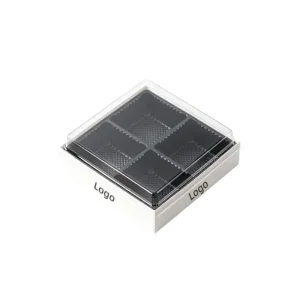
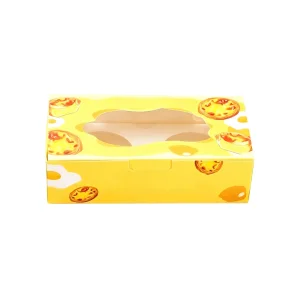
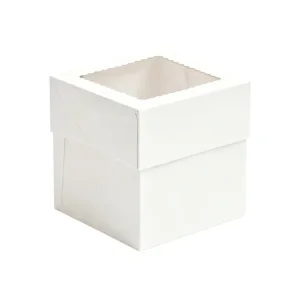
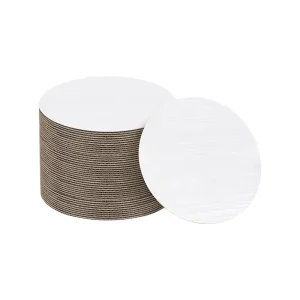
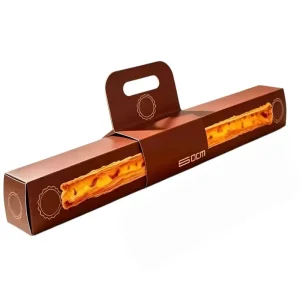
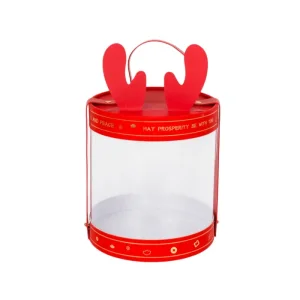
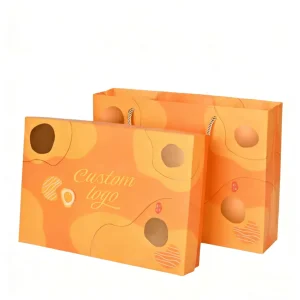
How fast-moving consumer goods (FMCG) conglomerates and commercial bakery chains de-risk global supply chains through advanced physical mock-ups and rapid structural sampling.
Modern enterprise brands operate on compressed product launch cycles. Rapid prototyping reduces structural revision delays from weeks to 48 hours, enabling simultaneous brand visual sign-offs, automated automated line testing, and retail shelf placement planning.
Physical prototypes allow engineers to verify stackability, compression resistance, corner-crush performance, and snap-lock security under real-world transport conditions before investing tens of thousands of dollars in mass production steel/aluminum tooling.
Prototyping facilitates empirical testing of moisture barrier performance (MVTR), oxygen transmission (OTR), grease resistance, and direct food-contact safety compliance across global jurisdictions including US FDA, EU 10/2011, and LFGB regulations.
From concept sketch to pilot manufacturing: How a specialized wholesale packaging prototyping supplier executes precision engineering.
Custom structural layout modeling optimized for board grain direction, folding stress, flat-pack logistics density, and automated box-erection compatibility.
Rapid precision sample cutting without physical die tooling costs, utilizing laser-guided cutting tables to achieve razor-sharp edges and exact perforation folds.
High-speed CNC aluminum pilot resin molding for custom PET lids, multi-compartment trays, and food-grade clear display windows.
High-resolution GMG digital proofing matching Pantone spot colors, CMYK curves, metallic hot foil stamping, and spot UV coating textures.
Information Gain Engineering Insight: Conventional packaging suppliers rely on standard off-the-shelf die molds that force brand owners to adapt their physical products to fixed packaging dimensions. Our integrated prototyping architecture allows for custom-tailored cavity volumes, reducing internal void space by up to 28% and eliminating secondary protective bubble wraps.
| Material Engineering Parameter | Prototyping Specifications | Mass Production Capability | Testing & Compliance Metric |
|---|---|---|---|
| Virgin Solid Bleached Sulfate (SBS) | 250 GSM - 400 GSM Grade A Board | High-Speed Offset Printing (6-Color) | FDA 21 CFR 175.300 / GB4806.8 |
| Unbleached Craft Paperboard | 280 GSM - 450 GSM High-Tear Kraft | Flexo & Offset Hybrid Coating | Recycled Content / FSC Certification |
| Food-Grade PET Sheet Lids | 0.25 mm - 0.45 mm High-Clarity Film | Thermoforming Blister Multi-Cavity | Anti-Foging / ISO 1183 Density |
| Grease & Moisture Coating | Water-based Barrier / Aqueous Coating | Inline Rotary Flood Coating | KIT Test Grade 12 Grease Resistance |
Pioneering next-generation sustainable packaging prototypes, smart barrier technology, and digital-twin tooling integration.
Transitioning from traditional multi-material laminates toward mono-material paper-based structures and PLA (polylactic acid) bio-resins. Future prototyping workflows enable rapid verification of home-compostable film windows that maintain crystal clarity while guaranteeing 100% kerbside recyclability.
Integrating artificial intelligence into structural die-line generation. Before physical cutting occurs, cloud-based FEA simulations calculate load distribution during palletization, predicting structural buckling points and reducing material grammage usage by up to 15% without sacrificing strength.
Based in Chaozhou, Guangdong—the epicentre of China's food packaging cluster—we bridge initial physical prototyping with high-capacity volume manufacturing.
Our centralized manufacturing ecosystem operates under strict ISO 9001 and ISO 22000 hygiene management systems, housing automated blister thermoformers, die-cutting equipment, and high-speed box assemblers.
We own and manage over 500 active mold structures. For custom orders, our internal tooling shop cuts steel-rule dies and CNC blister molds directly, eliminating third-party agent markups and shortening development cycles.
Shipping empty packaging across borders is inefficient. All our structural prototypes prioritize flat-pack or nested stacking geometry, saving up to 35% in container volume and reducing carbon footprints during export transportation.
Navigating global retail standards with documented quality assurance, food-grade certifications, and end-to-end export documentation.
All paperboards, inks, coatings, and PET plastics are batch-tested against stringent food-contact standards. We provide comprehensive documentation packages for international customs and municipal health authorities:
Our experienced export department handles complete shipping operations through Shantou and Shenzhen ports. Whether serving supermarket chains in North America, wholesale distributors in the EU, or bakery franchises across the GCC and Southeast Asia, we ensure seamless customs clearance and door-to-door delivery.
Discover proven structural bases ready for rapid graphic customization, logo foil stamping, and structural dimensional scaling.
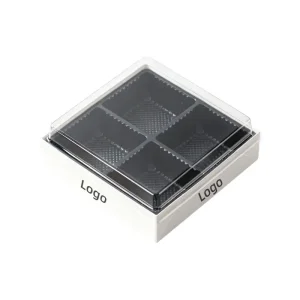
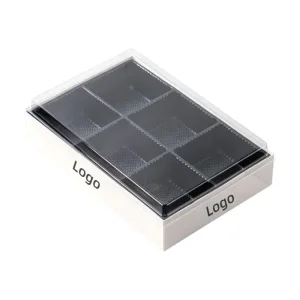
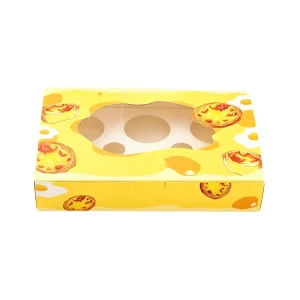
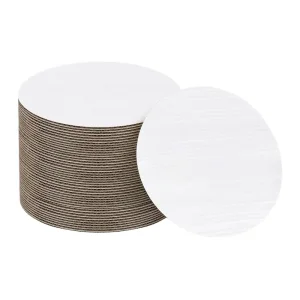
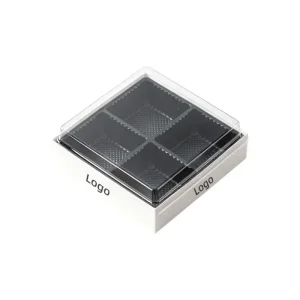
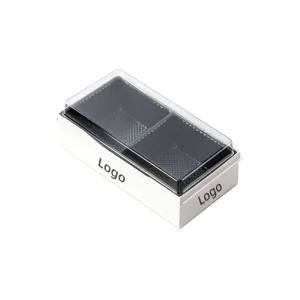
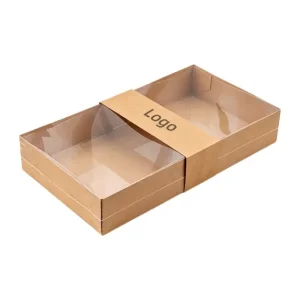

Direct structural and procurement answers from our engineering desk for packaging buyers and retail importers.
For standard paperboard and corrugated box structures, our CAD engineering team generates vector die-lines within 24 hours of receiving your product dimensions and weight specs. Unprinted structural white samples cut via laser CNC tables ship within 3 to 5 business days. Fully custom thermoformed plastic PET blister molds take 7 to 10 days for aluminum resin pilot tooling.
We support flexible production scaling. Physical prototyping requires no minimum order quantity (single-unit sample evaluation). For volume manufacturing using existing factory structural molds with custom printed graphics, MOQs start at 3,000 to 5,000 units per SKU. Custom dimensional structural tooling requiring new die-cut plates or thermoforming molds starts at 10,000 units per run to amortize tooling overhead efficiently.
Yes, absolutely. We use exact production-grade substrates for physical prototyping. All paperboard options (virgin white SBS, unbleached kraft, grease-proof coated paper) and PET/rPET plastics are 100% food-grade compliant under US FDA 21 CFR and EU No 10/2011 standards. Material safety data sheets (MSDS) and SGS migration test reports are supplied with pre-production samples.
Yes. Our pre-press facility utilizes digital proofing and high-resolution digital foil applicators that simulate offset CMYK printing, Pantone spot color matching, metallic hot foil stamping (gold, silver, rose gold), tactile embossing, and matte/gloss lamination directly on physical samples before full-scale production plate cutting.
Clients who fund dedicated custom tooling retain 100% intellectual property and physical ownership of all custom die-cut plates and aluminum blister molds. Tooling is maintained in our climate-controlled mold archive for up to 3 years of repeat ordering without additional tooling maintenance fees.
Our PET lids feature food-contact approved internal anti-fog surfactant coatings engineered to prevent condensation build-up when chilled desserts or moist bakery items are packaged. Snap-fit lids undergo mechanical tension testing to guarantee a secure perimeter seal during transport while remaining easy for end-consumers to open.