Explore our ODM structural designs manufactured with food-grade compostable materials, high-clarity biopolymers, and precision-engineered structural integrity.
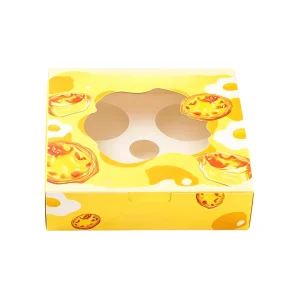

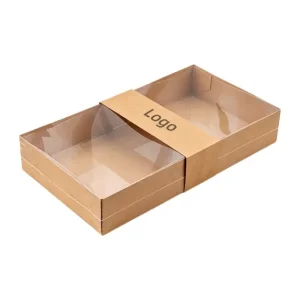
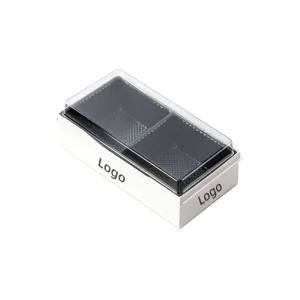
A rigorous examination of chemical formulations, thermal characteristics, degradation mechanisms, and structural customisation for global enterprise procurement.
Derived from fermented plant starch (corn or sugarcane), PLA delivers exceptional clarity, high tensile strength (50–70 MPa), and rigid mechanical behavior. Ideal for thermoformed cold-drink lids, bakery display windows, and rigid fast-food trays requiring high optical transparency.
Polybutyrate Adipate Terephthalate (PBAT) is a synthetic biodegradable co-polyester offering high elongation at break (>500%) and superior flexibility. When compounded with PLA, it neutralizes brittleness, yielding versatile flexible film structures for agricultural mulch and courier bags.
Synthesized via bacterial fermentation of renewable carbon sources, PHA polymers offer genuine marine and soil biodegradability without requiring industrial composting facilities. Features water barrier properties comparable to petro-chemical Polypropylene (PP).
| Polymer Alloy / Resin Grade | Bio-Based Carbon Content | Tensile Strength (MPa) | Elongation at Break (%) | Heat Deflection Temp (HDT) | Primary Industrial Degradation Standard |
|---|---|---|---|---|---|
| Pure Virgin PLA (Grade 4032D) | 100% | 60 - 65 MPa | 4.0% | 55°C | EN 13432 / ASTM D6400 (58°C Industrial) |
| Blended PBAT + Thermoplastic Starch | 40% - 60% | 18 - 25 MPa | 450% - 600% | 45°C | OK Compost HOME / ISO 17088 |
| CPLA (Crystallized PLA Compound) | 85% - 95% | 45 - 55 MPa | 8.0% | 90°C - 105°C | EN 13432 Commercial Facilities |
| PHA / PBAT Co-Extruded Barrier Grade | 70% - 90% | 30 - 40 MPa | 350% | 65°C | ASTM D6691 (Marine & Soil Ambient) |
Why leading global packaging distributors and FMCG brands leverage China’s integrated biopolymer compounding, automated extrusion, and low-MOQ tooling networks.
Direct integration with domestic lactic acid polymerization facilities and chemical synthesis hubs allows our ODM manufacturing lines to secure steady raw material pricing, eliminating volatile spot-market markups experienced by foreign secondary converters.
Our twin-screw extrusion compounding laboratories modify virgin resins in-house. By introducing nano-calcium carbonate, plant fiber fillers, organic nucleating agents, and bio-based plasticizers, we tune melt flow index (MFI), barrier performance, and flexural modulus to match precise customer specifications.
Equipped with modern high-speed thermoforming units and automatic die-cutters, our facilities maintain strict unit-cost efficiency. Precision CNC mold fabrication guarantees seamless snap-fit alignment between paperboard bases and transparent bioplastic display lids.
Ensuring frictionless global customs clearance, regional market compliance, and verifiable Scope 3 decarbonization metrics for multinational packaging buyers.
Every batch of biodegradable plastic material produced under our ODM service comes backed by third-party testing documentation. We assist clients in obtaining official certifications across target jurisdictions:
Enterprise procurement teams face stringent ESG reporting criteria under legislative frameworks like the EU Corporate Sustainability Due Diligence Directive (CSDDD). Our technical team provides granular LCA data sheets tracing cradle-to-gate carbon intensity (CI), verifying significant CO2 reduction compared to virgin fossil-based Polyethylene Terephthalate (PET) and Polystyrene (PS).
How customized biopolymer formulations translate into commercial packaging applications across food service, agriculture, retail, and logistics.
Ultra-clear PLA films and thermoformed lids integrated with grease-resistant virgin kraft paperboard. Provides high anti-fog clarity for refrigerated cake displays while enabling 100% organic waste stream recovery after use.
Direct-tilled PBAT and starch blend agricultural films engineered with controlled degradation windows (60, 90, or 120 days). Eliminates labor-intensive plastic retrieval while maintaining soil temperature and moisture retention.
Tear-resistant, high-puncture-strength flexible mailer bags formulated from PBAT+PLA modified resins. Features superior water resistance, reliable self-adhesive sealing strips, and full home-composting breakdown.
CPLA (Crystallized Polylactic Acid) injection-molded spoons, forks, and hot-cup lids engineered for thermal stability up to 105°C. Delivers rigid structural stiffness without softening or leaching toxic plasticizers into hot liquids.
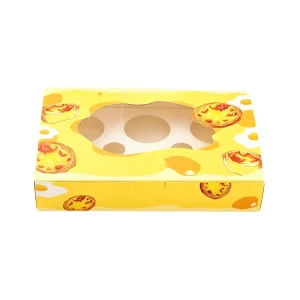
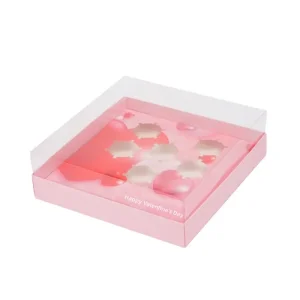
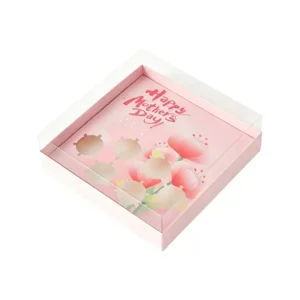
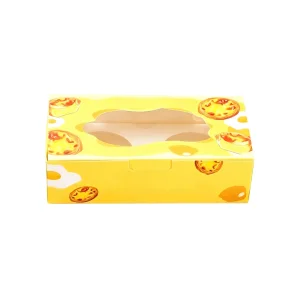
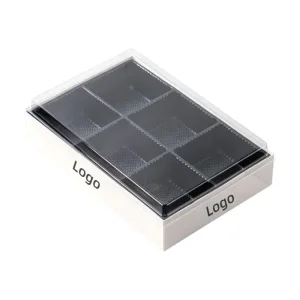
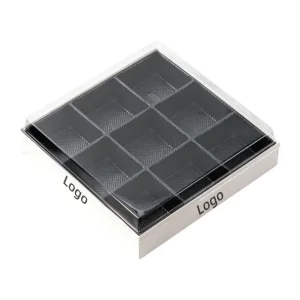
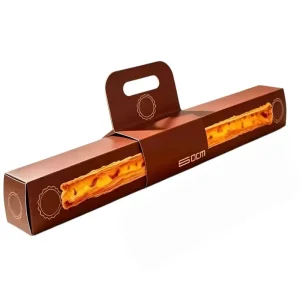
Precision-crafted, compartmented, transparent, and multi-functional packaging options designed for retail display, seasonal promotions, and bulk takeout catering.
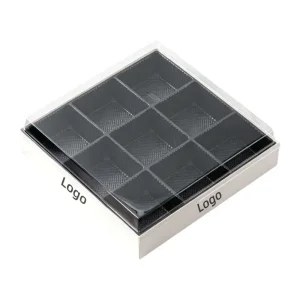
Strategic technology developments reshaping the global sustainable packaging landscape over the coming decade.
Emerging research focuses on embedding micro-encapsulated enzymes directly into PLA and PBAT resin matrices during compounding. Upon exposure to moisture and soil ambient bacteria, the embedded enzymes activate, accelerating chemical chain scission and reducing degradation times by up to 70%.
Governments across Europe, North America, and Asia-Pacific are shifting from voluntary eco-labeling to strict enforcement. Measures such as California SB 54 and the EU Single-Use Plastics Directive mandate quantifiable post-consumer bio-content and verifiable industrial compostability.
Advancements in thermal depolymerization allow pure PLA waste to be broken back down into its constituent monomers (L-lactic acid) without mechanical polymer chain degradation, yielding 100% virgin-grade recycled PLA (rPLA) suitable for continuous food-contact reuse.
Direct technical answers addressing procurement, material selection, MOQ structures, compliance documentation, and shelf-life performance.
Bio-based plastics are derived from renewable biomass (like cornstarch or sugarcane) but may not necessarily be compostable. Certified compostable plastics (such as PLA and PBAT blends) biodegrade into water, CO2, and biomass within 180 days under defined composting conditions (EN 13432 / ASTM D6400) without leaving microplastic residues. Oxo-degradable plastics, by contrast, rely on chemical additives that fragment fossil plastics into harmful microplastic particles and are banned across major global markets.
Under dry, ambient indoor storage conditions (temperature < 40°C and relative humidity < 60%), PLA packaging maintains structural integrity and clarity for 12 to 24 months without premature degradation. Microbial breakdown and hydrolysis only initiate when the material is introduced to high-humidity, active biological composting environments.
Standard catalog structures using existing tooling (such as our 2-grid, 4-grid, and 6-grid bakery containers) start at accessible MOQs of 3,000 to 5,000 units. Custom ODM projects—requiring dedicated blister thermoforming moulds, specialized die-cut geometries, or custom polymer compounding—typically require 10,000 to 30,000 units depending on SKU dimensions and material specification.
Standard unmodified PLA softens at temperatures around 55°C (131°F), making it best suited for ambient or cold food packaging. However, our specialized Crystallized Polylactic Acid (CPLA) and modified PHA/mineral blends withstand hot food contact and thermal applications up to 100°C–105°C, providing heat-resistant performance suitable for hot soup lids, coffee container tops, and microwaveable meals.
Every commercial container shipment is delivered with a complete export documentation dossier, including Certificate of Analysis (COA), Food Contact Declaration of Conformity (FDA 21 CFR / EU 10/2011), SGS/TÜV heavy metal test reports, Bill of Lading, Commercial Invoice, Packing List, and Certificate of Origin (Form E or CO) for preferential tariff treatment.