Engineered for pristine structural integrity, extended shelf-life, and high-clarity merchandising across global retail networks.
An authoritative industrial guide on high-precision thermoforming, anti-fog barrier polymer coatings, custom die-tooling optimization, and sustainable closed-loop supply chains for modern global enterprises.
In the high-stakes ecosystem of perishable food retail, fresh agricultural export, industrial bakery distribution, and electronics encapsulation, Polyethylene Terephthalate (PET) clamshell packaging serves as the critical intersection between material engineering and supply chain protection. Modern enterprise procurement has shifted away from basic commodity packaging toward custom-engineered, thermoformed Original Design Manufacturer (ODM) solutions.
This document establishes the technical benchmarks required for global procurement leads, brand owners, and logistics directors to evaluate OEM/ODM PET clamshell manufacturing parameters. From polymer intrinsic viscosity (IV) controls to high-speed vacuum thermoforming and anti-fog chemistry, standardizing package structural design is key to minimizing shrinkage, optimizing pallet density, and boosting retail conversions.
The global demand for rigid PET container thermoforming is expanding at a projected CAGR of 6.2% over the next decade. Driven by the expansion of modern supermarket networks in emerging economies and the surging fresh-food delivery market in North America and Western Europe, enterprise buyers face dual pressures: maintaining extended shelf-life while meeting strict environmental regulations (such as EU Directive 2019/904 and regional plastic reduction frameworks).
To maintain a competitive edge, global procurement departments are consolidating supplier networks, seeking direct manufacturing partners equipped with high-efficiency multi-layer sheet extrusion and automated inline die-cutting technologies.
Critical engineering metrics evaluated during international OEM/ODM factory audits and technical vendor onboarding.
| Evaluation Parameter | Standard Technical Specification | Industrial Quality Impact | ODM Customization Vector |
|---|---|---|---|
| Intrinsic Viscosity (IV) | 0.72 – 0.84 dL/g (Virgin/rPET Grade) | Determines impact resistance, top-load strength, and hinge flexure durability. | Adjusted according to deep-draw geometry and cold-storage conditions. |
| Optical Haze Percentage | < 1.5% High Clarity Grade | Directly impacts product visibility, impulse purchases, and visual quality perception. | Anti-UV additive options available for high-light retail environments. |
| Co-Extrusion Layers | A/B/A or A/B/C Multi-layer (rPET Core) | Enables the integration of up to 100% PCR content while maintaining food-grade contact layers. | Custom barrier layer formulation (e.g., EVOH blend for low oxygen transmission). |
| Anti-Fog Treatment | Internal Masterbatch or External Spray Coating | Prevents condensation buildup under chilled conditions (2°C to 8°C). | Food-compliant non-ionic surfactant formulation tailored for produce or hot foods. |
| Snap-Lock Geometry | Perimeter Friction Fit / Push-Button / Button Lock | Controls lid closure retention, tamper resistance, and seal integrity during transit. | Engineered insertion force optimized for high-speed automated packing lines. |
High-density warehousing requires clamshell structures to support multi-tier stacking without buckling. Through algorithmic structural ribbing, ODM designs distribute weight vertically, increasing compressive resistance by up to 40% over unribbed alternatives.
Clear, audible "click" closing mechanisms give assembly workers and consumers immediate feedback that the package is fully sealed. This prevents accidental lid detachment during courier delivery and high-volume retail handling.
For automated food packing facilities, consistent container separation is essential. ODM thermoforming utilizes uniform sidewall draft angles and precision stacking lugs to guarantee smooth single-unit de-nesting on fast automated lines.
How modernized Guangdong production hubs leverage automated thermoforming, CAD/CAM fast prototyping, and digital quality control to deliver competitive global advantages.
Traditional packaging development was often delayed by 8–12 week mold production lead times. Contemporary China 4.0 factories integrate 5-axis CNC machining, 3D laser scanner measurement, and parametric CAD engineering, cutting prototype mold delivery to just 5 to 7 business days.
This rapid tooling setup enables global enterprise clients to run real-world retail trials, execute drop tests, and finalize shelf ergonomics before committing to full-scale production runs.
By pairing high-speed thermoforming units with multi-camera Automated Optical Inspection (AOI) systems, every produced PET clamshell is scanned for micro-flaws, dimensional variance, lip warping, and particulate contamination at full line speeds.
Inline automated ejection removes non-compliant units instantly, upholding strict quality standards (AQL 0.65) required by international pharmaceutical, produce, and bakery brands.
Vented PET clamshells engineered with custom airflow slits maintain optimum relative humidity, preventing fungal development while protecting delicate soft fruits during long-distance cold chain transport.
High-dome, ultra-clear packaging keeps intricate cake decorations intact while creating a premium presentation that boosts impulse purchases on chilled retail shelves.
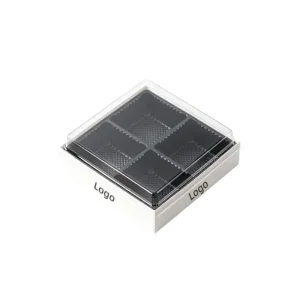
Multi-compartment designs hold distinct food items securely in one container, preventing cross-flavor contamination and keeping takeaway platters fresh for last-mile delivery.
Expert technical insights addressing high-frequency procurement inquiries, structural customizations, and compliance standards.
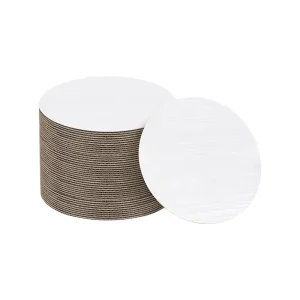
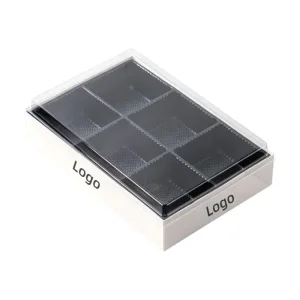
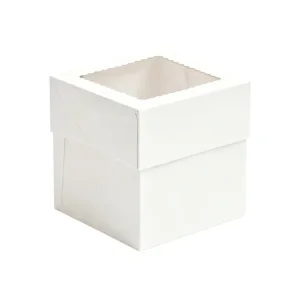
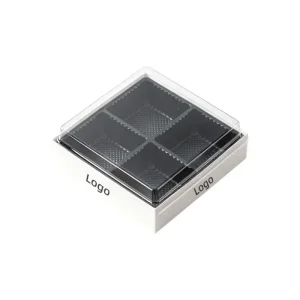
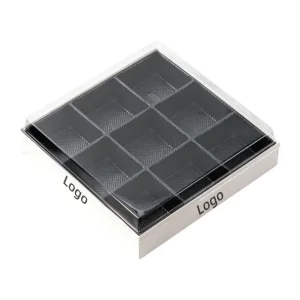
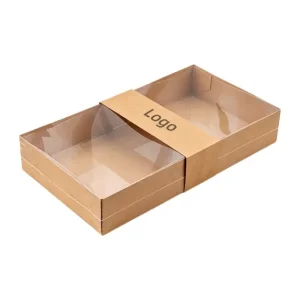
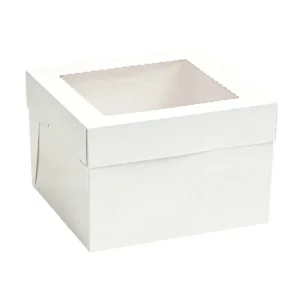
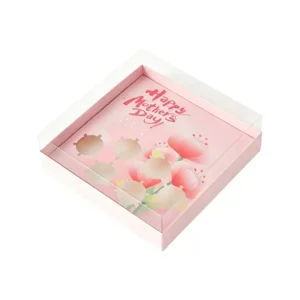
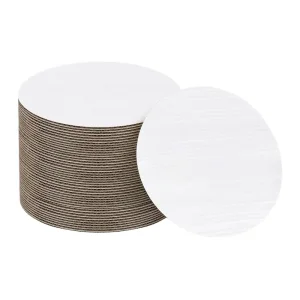
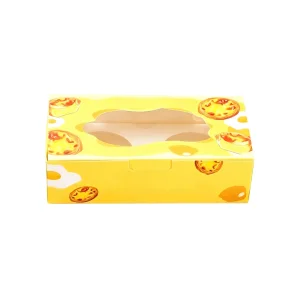
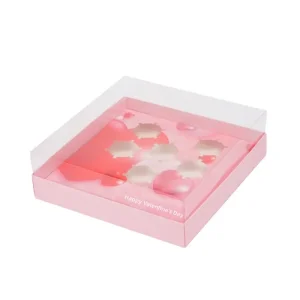
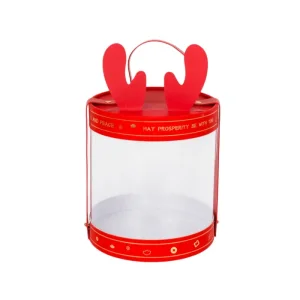
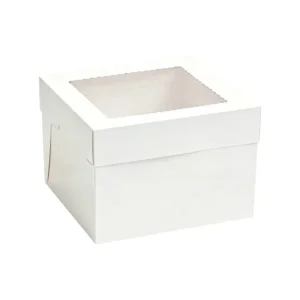
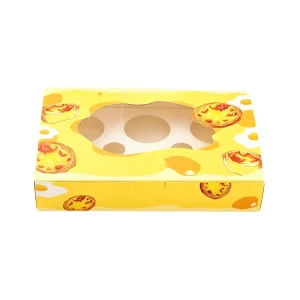
Complementary high-performance paperboard bases, multi-grid tray inserts, and seasonal display packaging options.
Connect directly with our engineering department to evaluate die-line templates, request physical sample kits, or receive a formal industrial quotation within 24 hours.