Engineered for High-Clarity Display, Thermal Resistance, and Structural Integrity Across Retail and Commercial Packaging Infrastructure


Overcoming the Tri-lemma of Tensile Strength, Thermal Stability, and True Biological Degradability
Precision melt-compounding of Polybutylene Adipate Terephthalate (PBAT), Polylactic Acid (PLA), and Polyhydroxyalkanoates (PHA) customized for blow molding, cast film, and extrusion lines.
Pre-certified resin grades complying with EN 13432, ASTM D6400, TÜV Austria OK Compost Industrial & Home, and FDA 21 CFR food-contact mandates to eliminate export friction.
Engineered rheological profiles allow seamless substitution of traditional LDPE/HDPE resins on standard blown film machinery without requiring multi-million dollar capital expenditure.
The global flexible packaging market is undergoing a structural paradigm shift driven by extended producer responsibility (EPR) legislation, national single-use plastic bans, and stringent carbon-neutrality mandates. For OEMs, film extruders, and flexible packaging convertors, securing a reliable supply of high-performance biodegradable plastic bags raw material is no longer merely a sustainability initiative—it is a core operational requirement for market survival.
Traditional polyolefins such as Low-Density Polyethylene (LDPE) and High-Density Polyethylene (HDPE) possess exceptional tear strength, moisture barrier properties, and processing latitude. However, their persistence in natural ecosystems and contribution to microplastic pollution have led regulatory bodies worldwide to enforce strict phase-outs. Replacing these petroleum-based polymers requires sophisticated macro-level material engineering. Our advanced biopolymer raw materials utilize ester-exchange chemistry, nucleating agent modification, and nano-filler dispersion to achieve identical mechanical performance while offering certified biodegradation pathways into water, carbon dioxide, and organic biomass.
Data-Driven Insights Across Major Manufacturing Hubs and Regulatory Corridors
From the European Union's Packaging and Packaging Waste Regulation (PPWR) to North America's state-level plastic reduction acts (e.g., California SB 54) and China's GB/T 38082-2019 standard, global compliance standards are converging. Converters must source raw materials certified under rigorous eco-toxicity and disintegration protocols to maintain international market access.
Biopolymer resin pricing and availability depend heavily on raw material synthesis. By leveraging integrated polymerization of monomeric feedstocks—such as corn starch-derived L-lactic acid and bio-based 1,4-butanediol (BDO)—we stabilize compound cost structures while optimizing batch-to-batch consistency for industrial bag producers.
Architecting High-Molecular-Weight Compounds for Superior Film Extrusion
The primary challenge in manufacturing biodegradable plastic bags raw material lies in achieving balanced mechanical properties. Pure PLA exhibits high tensile strength and stiffness but is extremely brittle with poor impact resistance. Conversely, pure PBAT offers exceptional elongation at break and flexibility but lacks sufficient tensile modulus for load-bearing carrier bags. Our chemical engineers utilize state-of-the-art twin-screw reactive extrusion to blend these resins at a molecular level, incorporating specialized compatibilizers and chain extenders.
| Material Grade Polymer Blend | Tensile Strength (MD/TD) | Elongation at Break | Melt Flow Index (MFI) | Primary Application Scenario | Degradability Standard |
|---|---|---|---|---|---|
| Bio-Resin Eco-P100 (PBAT + PLA + Starch) | ≥ 22 / 20 MPa | ≥ 450% | 2.5 - 4.5 g/10min | Supermarket T-Shirt Bags, Trash Liners | EN 13432 / TÜV Home Compost |
| Bio-Resin Heavy-P350 (Modified PBAT + PHA) | ≥ 32 / 28 MPa | ≥ 550% | 1.2 - 2.8 g/10min | Heavy-Duty Industrial & Agricultural Bags | ASTM D6400 / OK Soil Degradable |
| Bio-Resin Clear-P500 (High-Purity PLA Compound) | ≥ 48 / 42 MPa | ≥ 180% | 4.0 - 7.0 g/10min | High-Clarity Bakery & Apparel Packaging | Industrial Compost Certified |
| Bio-Resin Barrier-P800 (PBAT + PBS Micro-Blend) | ≥ 26 / 24 MPa | ≥ 400% | 2.0 - 3.5 g/10min | Moisture-Sensitive Food Packaging Bags | EN 13432 / BPI Certified |
Our raw material resins are optimized for high-speed automated film blowing equipment. Key operational parameters include:
During twin-screw compounding, epoxy-functionalized acrylic oligomers are added to act as reactive chain extenders. These additives rebuild ester bonds cleaved by thermal shear, boosting melt enthalpy, bubble stability, and overall tear propagation resistance in thin-gauge film applications down to 10 microns.
Tailored Material Formulations Meeting Specific Municipal and Industrial Operational Demands
Formulation: PBAT / Thermoplastic Starch (TPS) / PLA blend.
Key Metric: High puncture resistance, soft hand-feel, anti-static properties, and superior bottom-seal strength for heavy grocery loads.
Formulation: High-density PBAT + Mineral Filler Matrix.
Key Metric: Superior moisture barrier preventing leachate leakage, high tear resistance against sharp organic food waste, fully industrial-compost certified.
Formulation: PBAT + PHA Soil Degradable Grade.
Key Metric: Controlled degradation rates (3 to 12 months) directly within farm soil. Eliminates microplastic residues and costly manual film removal post-harvest.
Formulation: High-Opaque PBAT + PLA Co-extrusion Compounds.
Key Metric: 100% opacity for privacy, permanent destructive adhesive strip compatibility, high impact strength during long-distance logistics transit.
Formulation: High-Clarity Micro-Perforated PLA Resin.
Key Metric: Anti-fog film clarity, optimized oxygen transmission rates (OTR) to extend produce shelf-life, compliant with global food contact directives.
Formulation: Concentrated Slip, Antiblock, & Color Additive Masterbatches.
Key Metric: Carrier-resin matched to PBAT/PLA for seamless dispersion without compromising 100% compostability certification.
End-to-End Verification Procedures Ensuring Zero Heavy Metal, Fluorine, or Microplastic Residues
Every incoming shipment of L-lactic acid, BDO, and adipic acid undergoes HPLC and gas chromatography to verify monomer purity above 99.8% before polymerization begins.
Precision loss-in-weight feeders meter polymer bases, chain extenders, and nucleating agents into multi-zone extruders with real-time melt pressure and viscosity monitoring.
Samples from every batch are converted into 15-micron film on pilot lines to measure dart drop impact strength, Elmendorf tear resistance, and tensile modulus.
Finished raw material grades are submitted to accredited laboratories (SGS, TÜV, OWS) for heavy metal screening, fluorine content (PFAS-free) validation, and plant toxicity testing.
Our raw material resins carry recognized certifications guaranteeing full biological degradation under industrial, home, and soil conditions:
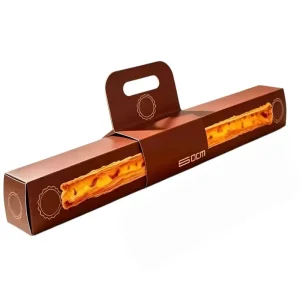
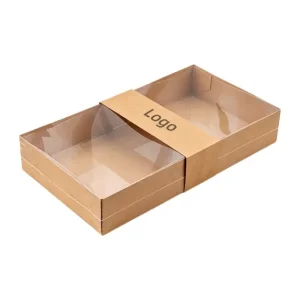
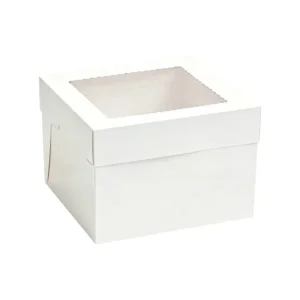
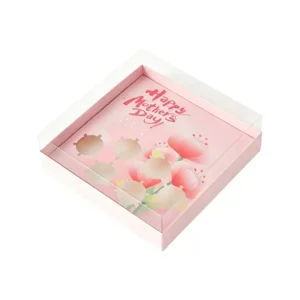
Advanced Structural Formats Engineered for Custom Branding, High Yield, and Global Export Compliance

Pioneering Next-Generation Bio-Based Carbon Contents and Advanced Enzymatic Degradation Kinetics
Transitioning from fossil-derived adipic acid and BDO to second-generation agricultural residue feedstocks (straw, bagasse), targeting 100% bio-based carbon content (ASTM D6866) by 2026.
Integrating bacterial polyhydroxyalkanoates (PHB/PHBV) to achieve true ambient marine water biodegradability, eliminating ocean plastic persistence even in cold marine environments.
Embedding micro-encapsulated esterase enzymes within the polymer matrix. Enzymes remain dormant during shelf life and activate only upon contact with high-moisture compost soil environments.
Expert Guidance for Packaging Engineers, Procurement Officers, and Material Converters
Our raw material compounds consist of a polybutylene adipate terephthalate (PBAT) continuous phase, polylactic acid (PLA) for tensile reinforcement, and thermoplastic starch (TPS) or functionalized mineral fillers (such as surface-treated calcium carbonate). We also incorporate specialized chain extenders to maintain high melt strength during blown-film extrusion.
Yes. Our resin grades are engineered as "drop-in" solutions. They can be extruded on standard single-screw polyolefin blown-film lines with minor thermal adjustments. We recommend lowering barrel temperature profiles to 140°C–165°C and ensuring the resin is dried to a moisture content below 0.05% using a desiccant dryer prior to processing.
Bags converted from our raw material maintain full structural integrity and tensile strength for 12 to 18 months when stored under standard warehouse conditions (cool, dry environment, away from direct UV exposure and high humidity). Biological breakdown initiates only after exposure to active microbial environments such as compost soils or municipal waste systems.
Industrial compostable grades (certified EN 13432 / ASTM D6400) require elevated temperatures (58°C ± 2°C) and specific humidity conditions found in municipal composting facilities to fully degrade within 180 days. Home compostable grades (TÜV OK Compost Home) feature higher PBAT or PHA content, enabling complete degradation at ambient temperatures (20°C to 30°C) within 12 months in home garden compost setups.
No. True biodegradable materials certified under EN 13432 undergo complete enzymatic and hydrolytic mineralisation. Microorganisms (bacteria and fungi) metabolize the polymer chains into carbon dioxide (CO2), water (H2O), and nutrient-rich biomass. Unlike oxo-degradable plastics, our materials leave zero persistent microplastic fragments or toxic chemical residues in the soil.
For standard compound grades, our minimum order quantity starts at 3 Metric Tons (MT). For custom-engineered formulations—such as specialized color masterbatch integration, custom Melt Flow Index (MFI) adjustments, or specific barrier additives—the MOQ is 5 MT, supplied in moisture-proof 25kg aluminum-foil lined bags or 1-ton super sacks.