
Analyzing search intent across global supply chains reveals a decisive shift from single-use plastics to closed-loop, recyclable thermoformed blister engineering.
Modern B2B procurement queries for OEM Blister Packaging Recyclable Factory & Factories no longer focus solely on unit cost. Procurement executives, brand owners, and packaging engineers actively search for multi-layer barrier integrity, Extended Producer Responsibility (EPR) compliance, and post-consumer recycled (rPET) certifications to meet stringent global sustainability mandates.
The global packaging paradigm is undergoing a fundamental transformation. Thermoformed blisters constructed from high-purity mono-materials (such as food-grade virgin PET, rPET, and paper-based cellulose thermoforming composites) allow for effortless sorting and re-processing in municipal recycling streams, eliminating the friction of multi-material separation.
Rooted in ISO 22000, BRCGS, FDA 21 CFR 177.1630, and European LFGB food-contact standards, our manufacturing operations deliver verifiable technical documentation. Every batch undergoes rigorous migration testing, seal-strength validation, and optical clarity audits to guarantee absolute regulatory compliance for international markets.
Regulatory enforcement and ESG initiatives are reshaping the commercial landscape for blister packaging factories worldwide.
The global thermoformed packaging sector is rapidly adjusting to stringent legislative frameworks. The European Union’s Packaging and Packaging Waste Regulation (PPWR) demands that all packaging formats placed on the market be economically recyclable by 2030, with minimum post-consumer recycled content targets mandating at least 30% rPET for contact-sensitive applications. Simultaneously, extended producer responsibility (EPR) laws across California (SB 54), Oregon, and Washington are imposing punitive financial levies on non-recyclable, multi-layer PVC and hard-to-recycle laminates. Forward-thinking OEM blister packaging factories are shifting production lines entirely to food-safe rPET, APET, and molded paper pulp thermoforming matrix systems to ensure client inventory remains fully compliant across international borders.
Quantifiable carbon footprint reduction is now a core requirement in B2B packaging procurement. Comparative LCA studies prove that switching from traditional rigid PVC blisters to thermoformed rPET reduces embodied carbon emissions by up to 48%. Furthermore, paper-plastic hybrids utilizing grease-resistant dispersion coatings reduce fossil-fuel resin dependency while preserving visual product presentation.
Historically, thermoformed blisters required complex resin blends to achieve moisture and oxygen barriers. Today, advanced OEM factories employ plasma-enhanced chemical vapor deposition (PECVD) silicon oxide (SiOx) nanocoatings. This breakthrough confers exceptional gas barrier properties to mono-PET sheets without rendering the final blister non-recyclable.
Enterprise buyers require clear recycling designation. Modern blister packaging is engineered to achieve class-A recyclability under RecyClass and APR (Association of Plastic Recyclers) protocols, guaranteeing that consumers can drop empty packaging straight into standard municipal recycling bins.
Detailed analysis of commercial buyer criteria when choosing an OEM blister packaging recyclable manufacturer.
B2B buyers look beyond initial tooling and unit costs. They evaluate long-term TCO, including mold amortization, nesting density for reduced freight volume, automated de-nesting performance on high-speed filling lines, and waste reduction during automated heat-sealing processes.
Speed to market is essential. Sourcing directors prefer factories capable of delivering 3D structural CAD drawings within 24 hours, aluminum prototype tooling within 3 to 5 days, and full production tooling within 12 working days, minimizing product launch delays.
Enterprise importers require complete documentation packages for every batch: Certificate of Conformity (CoC), Heavy Metal Analysis (EN 13428), Global Recycled Standard (GRS) chain-of-custody verification, and non-migration food contact declarations.
How Chaozhou Weiting Packaging leverages automated thermoforming technology and integrated supply clusters to deliver unmatched quality and efficiency.
Utilizing state-of-the-art Mengxing thermoforming lines and Zhongbo high-precision die-cutting machinery, our automated production floor operates with sub-millimeter cavity consistency. High-grade CNC aluminum molds with integrated water-cooling channels ensure rapid cycle times, flawless snap-fit lid alignment, and uniform wall thickness across every single blister production run.
Industrial efficiency aligns directly with sustainability. Our production infrastructure incorporates automated edge-trim grinding systems directly behind the thermoforming station. Clean polymer skeleton scrap is immediately granulated, re-extruded into sheet stock, and reintroduced into non-food contact backing layers, realizing zero raw material wastage.
Ocean freight efficiency is engineered directly into our package structures. Blister bases and clear lids are precision-tapered with internal anti-jamming ribs. This structural design allows ultra-dense nesting inside shipping cartons, maximizing container payload and reducing shipping CBM volume by up to 35%.
Tailored thermoformed packaging solutions across global commercial sectors, retail channels, and specialized packaging environments.
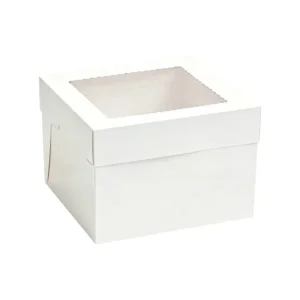
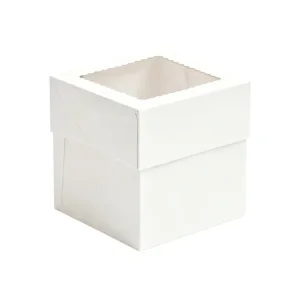
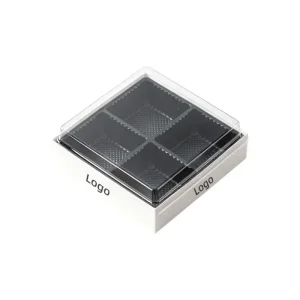
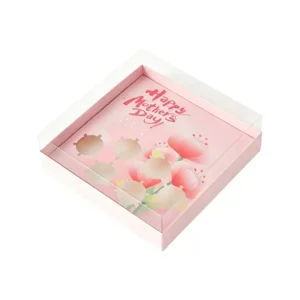
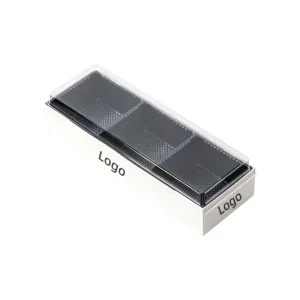
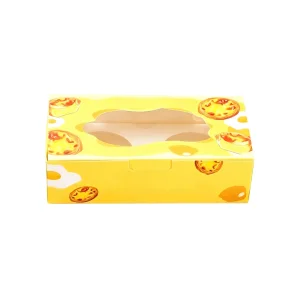
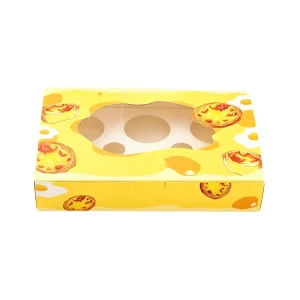
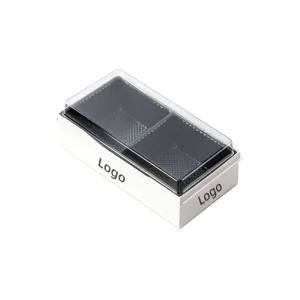
High-clarity rPET dome lids combined with food-grade grease-resistant paper bases offer an optimal visual presentation for premium pastries, mousse cakes, and egg tarts. The engineered side snap-locks prevent accidental opening during last-mile delivery while retaining moisture balance to extend shelf freshness.
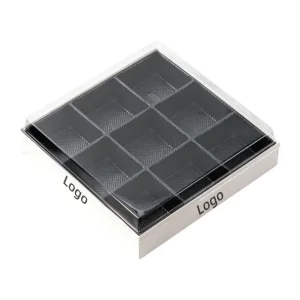
Rigid multi-compartment food containers designed with anti-fog technology ensure pristine condensation-free display under refrigerated store lighting. High-impact PET construction protects delicate soft fruits, sliced salads, and sushi rolls during transport and consumer handling.
Lightweight, stackable thermoformed packaging engineered for rapid meal prep assembly and space-constrained trolley storage. Leak-resistant perimeter seals prevent liquid migration between compartments, upholding strict hygiene standards during commercial travel service.
Direct factory parameters for engineering validation, compliance verification, and procurement planning.
| Polymer / Board Type | Thickness Range | Operational Temp Range | Barrier Rating (O₂ / H₂O) | Recycling Code & Stream | Compliance Standards |
|---|---|---|---|---|---|
| Food-Grade APET (Amorphous PET) | 0.20 mm – 0.50 mm | -20°C to +65°C | High / Excellent | RIC #1 (PET Stream) | FDA 21 CFR 177.1630, EU 10/2011, LFGB |
| Post-Consumer Recycled rPET (Up to 100%) | 0.25 mm – 0.45 mm | -20°C to +60°C | High / Excellent | RIC #1 (Kerbside Recyclable) | GRS (Global Recycled Standard), EFSA Certified |
| Barrier Coated Virgin White Board | 250 gsm – 400 gsm | -18°C to +120°C | Medium / High (Oil/Grease) | Paper Recycling Stream | FSC Chain of Custody, FDA Food-Contact |
| Bio-Based PLA / Molded Fiber Composite | 0.30 mm – 0.80 mm | -10°C to +50°C | Moderate / Medium | Industrial Compostable / Paper | EN 13432, ASTM D6400 Certified |
Expert answers from our engineering desk regarding custom tooling, material safety, minimum order quantities, and international logistics.

Send us your product specifications, dimensions, or target concepts. Our structural engineering team will deliver a 3D CAD design, die-line layout, and detailed mold quotation within 48 hours.