


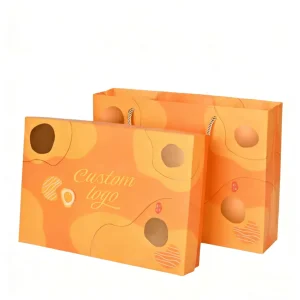
Explore our factory-direct OEM/ODM sustainable bakery boxes and containers manufactured using certified non-toxic, food-grade eco-inks with low migration guarantees.

Macro-level transformation in consumer safety regulations, Extended Producer Responsibility (EPR) mandates, and corporate Scope 3 decarbonization targets are reshaping global packaging manufacturing.
Global regulatory bodies including the US FDA, EU EFSA, and China National GB Standards are enforcing non-negotiable limits on Volatile Organic Compounds (VOCs) and Mineral Oil Hydrocarbons (MOSH/MOAH) in food contact packaging.
Traditional synthetic petroleum inks form recalcitrant polymer films that contaminate paper recycling streams. Modern eco-inks are chemistry-engineered for rapid de-inking under standard hydrapulping protocols.
Enterprise procurement teams no longer compromise print brilliant for sustainability. Advanced soy, vegetable, and water-based formulations deliver high optical density, crisp half-tones, and superior scuff resistance.
A rigorous engineering evaluation comparing traditional petroleum-derived offset inks with state-of-the-art sustainable alternatives utilized across our OEM production lines.
| Performance Metric | Petroleum Solvent Inks (Legacy) | Soy & Vegetable-Based Inks | Water-Based Flexo Inks | UV-LED / EB Curable Low-Migration Inks |
|---|---|---|---|---|
| Primary Vehicle / Solvent | Mineral Oil Fractions (Petroleum Aliphatics) | Refined Soybean, Canola, or Linseed Oils | Deionized Water & Water-Soluble Resins | Reactive Acrylic Monomers & Oligomers |
| VOC Emissions (g/L) | High (300 – 450 g/L) | Ultra-Low (<15 – 50 g/L) | Zero to Trace (<5 g/L) | Zero VOCs (100% Solid System) |
| Food Contact Safety (Migration) | High risk of MOSH/MOAH & solvent transfer | Low risk; suitable for secondary food contact | Zero migration risk; ideal for direct food contact | Undetectable migration (<10 ppb limit) |
| De-inking & Repulpability | Poor; creates micro-plastic spots in pulp | Excellent; floats off easily in de-inking cells | High water solubility during pulping washing | Form brittle films separated via centrifugal screens |
| Drying / Curing Mechanism | Oxidative & Absorption (Slow) | Oxidative polymerization | Evaporative hot-air impingement | Instantaneous photochemical curing (395nm UV) |
| Carbon Footprint Reduction | Baseline (High Scope 1 & 3 Impact) | 40% – 60% Carbon Footprint Reduction | 65% – 80% Carbon Footprint Reduction | 50% Energy Savings during high-speed runs |
How our 10,000 m² Chaozhou manufacturing hub integrates eco-friendly ink chemistry with automated robotics and closed-loop process engineering.
Food-grade packaging demands sterile manufacturing. Our printing presses operate inside temperature-and-humidity-controlled clean zones to prevent dust contamination and ensure uniform ink laydown.
Utilizing closed-loop Heidelberg and Manroland spectrophotometers, every sheet is scanned dynamically at 15,000 sheets/hr to maintain strict brand Pantone fidelity with minimum ink film thickness.
We enforce zero discharge protocols for washup solutions. Water-based cleaning fluids undergo multi-stage vacuum distillation and membrane filtration, reusing 96% of process water internally.
Our R&D engineering milestones for advancing bio-renewable inks, intelligent active packaging barriers, and carbon-neutral packaging operations.
Full-scale commercialization of 100% vegetable oil offset inks blended with carbon-negative black algae pigments. Replaces petroleum carbon black, reducing ink manufacturing emissions by 80% while retaining deep optical density.
Replacing traditional PE and PET lamination films on bakery board with aqueous dispersion coatings made from plant starches and lignin. Applied inline via flexo coater, creating fully repulpable and compostable oil-and-grease barriers.
Transitioning high-volume clear window and PET packaging lines to Electron Beam curing technology. EB curing requires no chemical photoinitiators, totally eliminating photoinitiator migration risks in food containers while running at 400m/min.
Integration of eco-friendly functional inks containing dynamic freshness indicators and printed eco-friendly QR codes linked to blockchain Scope 3 life cycle assessment (LCA) tracking data per batch.
Seamless market access for North American, European, Middle Eastern, and Asia-Pacific enterprise importers with verified certification documentation provided per shipment.
Fully compliant with US FDA 21 CFR 175.300 for direct food contact and FTC Green Guides standards for eco-friendly marketing claims, supported by independent SGS migration lab testing.
Engineered to exceed EU Regulation (EC) No 1935/2004, EU No 10/2011, and the stringent Swiss Ordinance 814.018 on printing inks, ensuring frictionless customs clearance across all EU member states.
Customized formulations certified for Gulf Cooperation Council (GCC) requirements via SASO packaging standards, Halal ingredient purity verification, and China National GB 4806 food contact regulations.
Technical answers from our Senior Ink Chemists and Packaging Engineers regarding safety, performance, MOQ, and customization options.
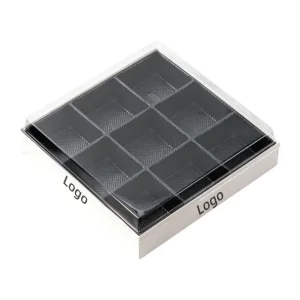
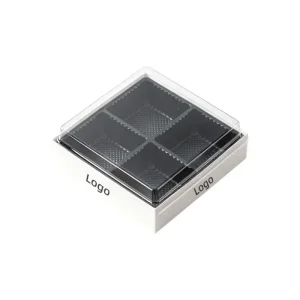
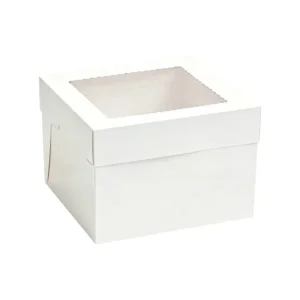
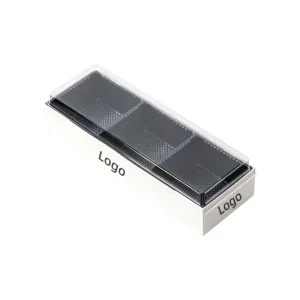
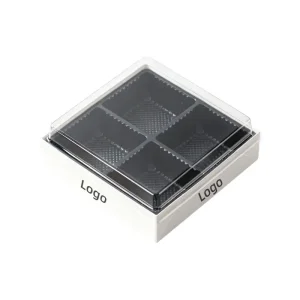
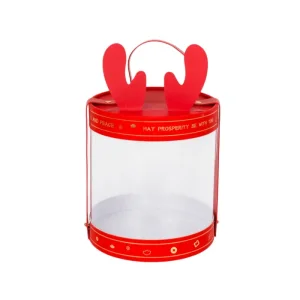
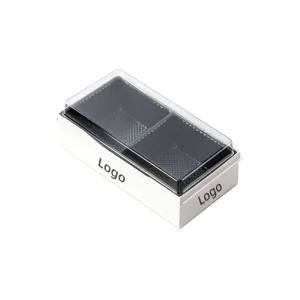
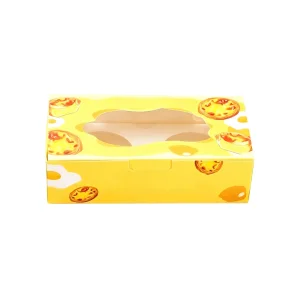
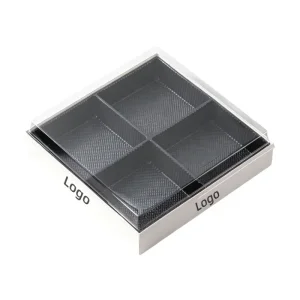
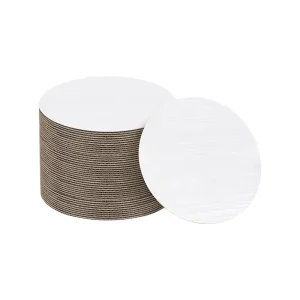
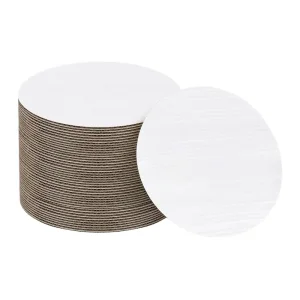
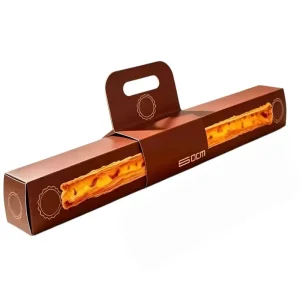
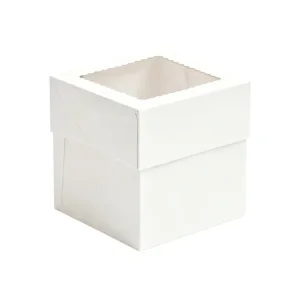
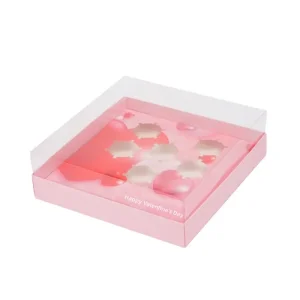
Select from our extensive catalog of food-grade containers, cake boards, window boxes, and specialty dessert packs manufactured under strict eco-ink protocols.
Accelerate your sustainability goals with certified zero-VOC, food-contact safe eco-printing solutions engineered for global retail chains, packaging importers, and enterprise brands.
Request Technical Consultation & Catalog