Explore our high-performance food packaging structures, manufactured under ISO 22000 and BRCGS food-safety protocols.
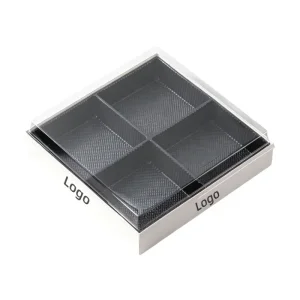
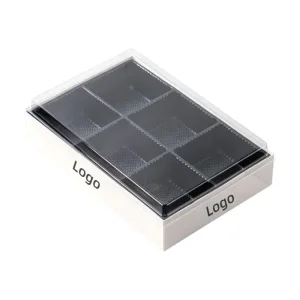
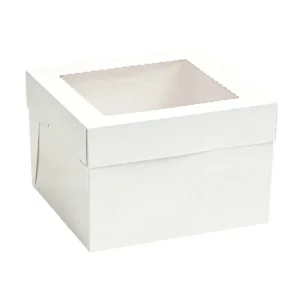
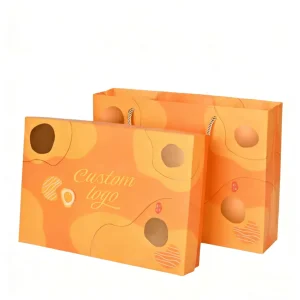
In modern global supply chains, packaging is no longer merely a container—it is a cross-disciplinary science combining polymer chemistry, structural dynamics, brand psychology, and automated logistics integration.
Primary packaging constitutes the first layer of direct physical contact with food, confectionery, or sensitive products. Engineered using food-grade virgin paperboards, high-barrier PET/rPET polymer sheets, and biodegradable aqueous barrier coatings, primary packaging is specifically formulated to mitigate Moisture Vapor Transmission Rates (MVTR) and Oxygen Transmission Rates (OTR). Our primary packaging lines prevent lipid oxidation, maintain organoleptic integrity, and guarantee strict compliance with FDA 21 CFR 177.1630 and EU Regulation No 10/2011.
Secondary packaging encompasses the external grouping boxes, carrier sleeves, rigid display corrugated trays, and shipping master cartons designed to bundle and safeguard primary packaging units. Engineered for vertical stacking strength, compression resistance (BCT rating), and automated palletization, our secondary systems utilize precision die-cut structural geometry. By implementing flat-pack knock-down (KD) configurations, our secondary packaging designs optimize container volume utilization by up to 35%, dramatically lowering landed carbon footprints and maritime logistics costs.
The global packaging sector is undergoing a massive paradigm shift toward circular economy models, decarbonization, and smart material chemistry. WTPack leads this transformation through advanced R&D investments.
Traditional multi-laminate substrates create significant challenges in municipal recycling streams. Our engineering roadmap focuses on 100% mono-material packaging solutions. We utilize food-grade post-consumer recycled PET (rPET) up to 100% content ratios and single-origin cellulose paperboards that integrate seamlessly into standard kerbside recycling streams across North America, the EU, and Oceania without requiring manual layer separation.
Phase-out of traditional Polyethylene (PE) and Polyfluoroalkyl Substances (PFAS) grease-proofing is critical for global compliance. Our technical team has introduced water-dispersed polymer (aqueous) coatings and bio-wax formulations. These barrier coatings provide exceptional Kit 10-12 oil resistance and water penetration protection while remaining 100% repulpable and industrially compostable under EN 13432 and ASTM D6400 standards.
The convergence of physical packaging and digital ecosystems is essential for supply chain transparency. WTPack integrates variable high-speed digital printing for unique 2D data-matrix codes, RFID tags, and anti-counterfeiting QR micro-dots directly into secondary packaging sleeves. This enables real-time batch verification, consumer engagement, automated warehouse inventory scans, and cold-chain compliance monitoring.
Located in Chaozhou, Guangdong—the epicenter of China's food packaging and converting industry cluster—Chaozhou Weiting Packaging Products Co., Ltd. (WTPack) operates a state-of-the-art 10,000 m² smart manufacturing ecosystem.
Our facility houses over 12 advanced production lines, including high-speed Mengxing blister thermoforming machinery and Zhongbo automatic high-precision die-cutters. By maintaining our own dedicated tooling design workshop and CNC aluminum mould library, we eliminate middleman tooling markups, shorten custom prototype cycles to under 48 hours, and ensure lid-to-base snap-lock tolerances within ±0.15mm across multi-million piece manufacturing runs.
Quality assurance is embedded directly into our automated workflow. High-resolution optical sensors and AI vision systems continuously inspect sheet clarity, print alignment, die-cut integrity, and edge seal fidelity in real time. Every production batch undergoes rigorous SPC (Statistical Process Control) testing, including burst strength testing, drop testing, and climate chamber incubation to verify long-term stack stability under extreme humidity and temperature variations.
From multinational bakery franchises to high-volume supermarket delis and seasonal gifting programs, WTPack delivers engineered packaging architectures tailored to distinct commercial operating environments.
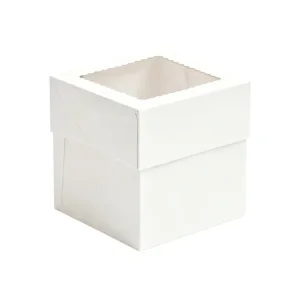
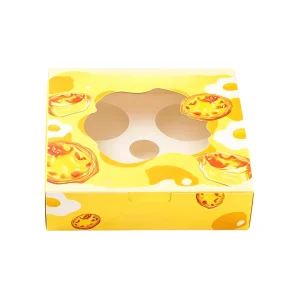
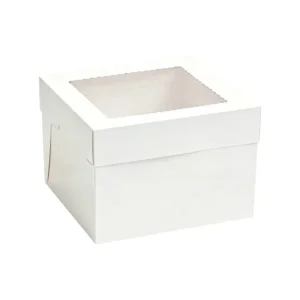
Grease-resistant SBS board (250–400 gsm) combined with crystal-clear PET window inserts. Engineered with side snap-locks and anti-fog display domes for mousse cakes, tarts, and artisan breads, ensuring shelf impact and structural stability during last-mile delivery.
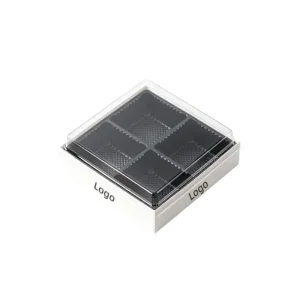
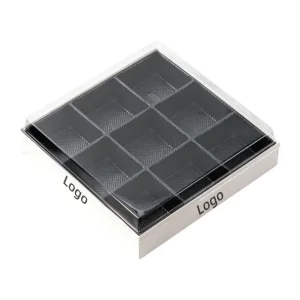
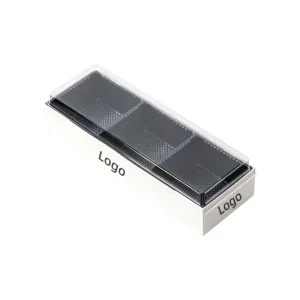
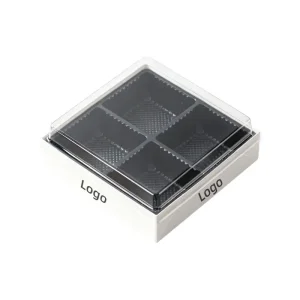
Tamper-evident clear PET/rPET clamshell containers and multi-grid compartment trays designed for instant barcode scanning, stacking in refrigerated display cases, and maintaining zero flavor transfer across mixed food platters.
Oversized flat-pack catering boxes and liquid-tight takeaway containers engineered for high load-bearing capacity. Designed specifically to prevent thermal deformation and bottom collapse during high-volume vehicle transit.
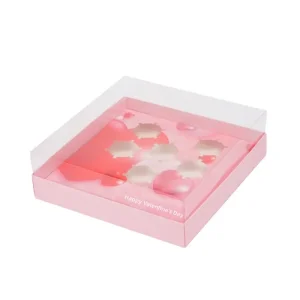
Custom-printed rigid sleeves, gold/silver hot-foil stamped gift containers, and dual-compartment flower-and-cake gift presentation boxes. Delivers unboxing experiences for holiday retail and promotional brand launches.
Procuring custom primary and secondary packaging at enterprise scale requires rigorous operational controls, transparent pricing structures, and robust export compliance documentation.
We provide itemized cost breakdowns separating paperboard substrate weight, blister polymer sheet gauge, printing plate setup fees, surface finishing options, and master carton packing specifications. Volume tiers begin at 3,000–5,000 units for stock structural dies, with significant cost efficiencies scaling up to 100,000+ unit production runs.
Every sea, rail, or air container shipment dispatched from Shantou or Shenzhen ports includes a complete export documentation bundle: Commercial Invoice, Packing List, Bill of Lading, Certificate of Origin (Form E / Form F / CO), and batch-level Material Safety Data Sheets (MSDS) and Food Contact Declaration Certificates.
Our packaging engineers optimize primary and secondary box dimensions specifically around standard 20GP, 40GP, and 40HQ ocean container footprints. By nesting clear PET domes and engineering flat-pack folding joints, we maximize unit loading density, reducing international freight costs per SKU significantly.
Navigating international food packaging regulations requires absolute precision to guarantee zero customs delays and full retail compliance in destination markets.
Our materials undergo rigorous independent SGS and Intertek testing. We ensure full compliance with FDA 21 CFR regulations for direct food contact, European Regulation (EC) No 1935/2004, German LFGB standards, and French DGCCRF requirements. All inks utilized in offset and flexographic printing are soy-based, heavy-metal-free, and formulated to meet strict low-migration parameters.
For Middle Eastern and Asia-Pacific importers, we support localized typography, Arabic/English dual-language pre-press layout typesetting, nutritional compliance box positioning, GSO food safety standards, and Halal-certified manufacturing plant protocols. Our packaging engineers assist in customizing material barrier properties for high-ambient heat and humidity zones across the Gulf region.
Comprehensive technical and commercial answers from our structural engineering and international export desk.
OEM primary packaging refers to custom-manufactured direct food-contact containers, such as paperboard bakery boxes, PET plastic dessert lids, and clear window bags engineered specifically to preserve food safety, moisture barriers, and freshness. Secondary packaging includes outer sleeves, grouping cartons, display boxes, and corrugated shipping structures that secure primary packs during warehousing and distribution.
For existing structural dies with custom logo offset printing or branded sleeves, our MOQ starts at 3,000 to 5,000 pieces per SKU. For fully customized structural shapes requiring new die-cut tooling or thermoforming blister molds, the standard MOQ is 10,000 pieces per size to offset dedicated tooling setup costs.
Yes. We strictly utilize virgin food-grade white cardboards (250–400 gsm), natural kraft boards, grease-resistant aqueous coatings, and 100% food-safe PET / rPET resin sheets. Batch-level declaration certificates, FDA 21 CFR compliance letters, and SGS heavy metal / migration test reports are supplied with every order.
Physical samples from existing tooling dispatch within 3–5 working days. Custom printed pre-production prototypes take 7–10 working days, including plate making and digital proofing. Mass production turnaround is typically 15–25 calendar days following artwork confirmation and sample sign-off.
We engineer knock-down (KD) flat-pack paper box structures and design high-density nested PET lid geometries. This structural optimization reduces total cubic meter (CBM) volume by up to 35%, allowing significantly more units per 40HQ container and drastically lowering per-unit freight costs.
Yes. We provide full CMYK offset printing alongside precise Pantone spot-color matching. Special finishing services include hot foil stamping (gold, silver, holographic), spot UV coating, soft-touch matte lamination, gloss varnish, embossing, and direct silk-screen printing on PET lids.
Explore our complete catalog of food-grade packaging containers, specialized bakery boxes, and multi-compartment food units.