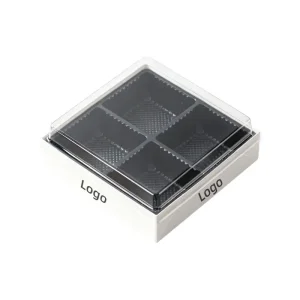
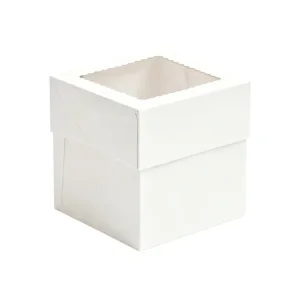
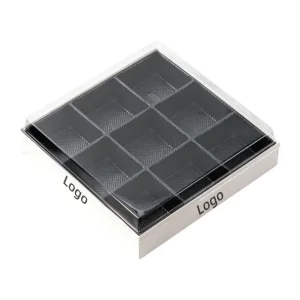
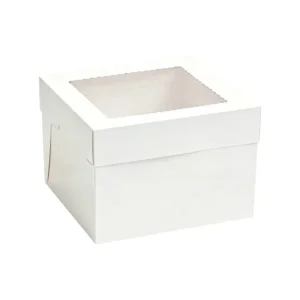
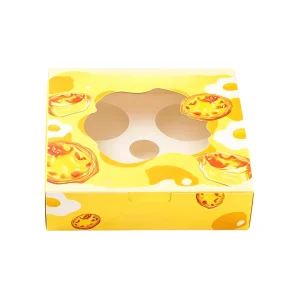
Explore our standardized OEM/ODM rigid food containers, structural corrugated trays, and automated-compatible paper packaging.
In the modern FMCG (Fast-Moving Consumer Goods), pharmaceutical, and high-capacity food production sectors, primary packaging protects the product, but secondary packaging machinery dictates operational throughput, supply chain scalability, and margin integrity. Procurement executives seeking qualified OEM secondary packaging machinery suppliers are no longer merely buying equipment; they are sourcing integrated automation ecosystems capable of handling multi-format corrugated boxes, rigid thermoformed PET trays, fold-out display cartons, and automated sleeve wraps at speeds exceeding 150 to 300 cycles per minute.
Secondary packaging encompasses critical downstream operations: automated carton erecting, top-load case packing, wrap-around case packing, side-load sleeve cartoning, shrink wrapping, and robotic palletization. When evaluated through the lens of Google's Search Quality Rater Guidelines (E-E-A-T), true authority requires demonstrating first-hand engineering precision, mechanical tolerance compatibility, and holistic supply chain resilience.
Key Takeaway: The convergence of primary packaging materials (such as virgin kraft boards, grease-resistant barrier coatings, and PET clear-lids) with automated secondary packaging machinery represents the single largest leverage point for reducing labor overheads, minimizing transport damage, and ensuring compliance with global carbon footprint mandates.
Detailed technical breakdown of machine sub-systems engineering for high-volume manufacturing environments.
Utilizing vacuum suction pick-up mechanisms and mechanical rotary arms, high-speed case erectors square RSC (Regular Slotted Container) and FEFCO standard corrugated blanks. Integrated hot-melt glue applicators or tape heads deliver squareness tolerance within ±0.5mm, critical for downstream robotic stacking.
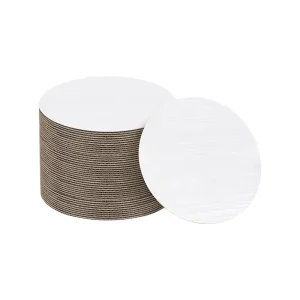
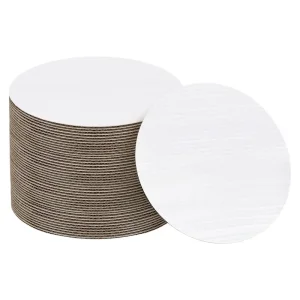
Designed for delicate bakery products, cake drums, and multi-grid dessert boxes. Precision servo-driven loaders gently index products into erected carton sleeves. Integrated vision inspection systems verify presence, orientation, and structural integrity before mechanical lid closure.
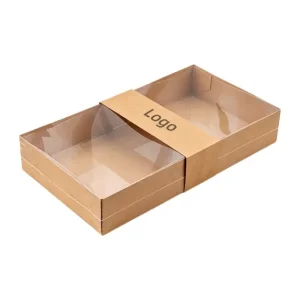
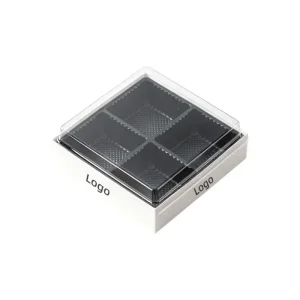
Delta robots and 6-axis articulated arms equipped with custom vacuum, pneumatic, or mechanical grippers handle flexible window boxes, PET cookie containers, and clear-lid catering trays without inducing structural deformation or visual scuffing.
Wrap-around systems construct a tight corrugated shell directly around grouped primary packages. This process yields superior structural compression strength compared to traditional RSC cases, enabling higher pallet stacking while reducing paperboard fiber usage by up to 18%.
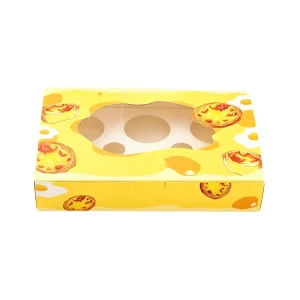
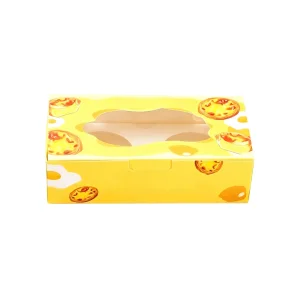
Employing dual-zone thermal convection chambers and linear PE/POF film overwrapping, shrink bundlers consolidate multi-packs (e.g., egg tart boxes, pastry tray sets) for transit protection, maintaining low energy consumption via smart thermal insulation.
Gantry and robotic palletizers featuring intelligent pattern generation software optimize cube utilization inside shipping containers. Slip-sheet dispensers and stretch-wrapping units complete the downstream secondary packaging lifecycle.
The global industrial landscape for secondary packaging has undergone a fundamental transformation. China’s manufacturing ecosystem—particularly centralized industrial clusters such as Chaozhou, Shantou, and Shenzhen in Guangdong—combines full-tier raw material sourcing with advanced CNC precision tooling and Industry 4.0 automated assembly lines.
China's packaging equipment and OEM secondary packaging container manufacturers provide distinct strategic advantages to international procurement teams:
From virgin paperboard milling, food-grade PET sheet extrusion, die-cutting plate manufacturing to PLC control panel wiring—all critical tier-1 and tier-2 supply chains reside within a 50-kilometer radius. This geographic concentration drastically reduces component lead times and logistical frictions.
Advanced CNC machining centers allow Chinese manufacturers to produce customized blister tooling, die-lines, and carton erector formers in 7–10 working days, compared to the 6–8 week industry standard in traditional Western hubs.
Modern factories operate under ISO 9001 quality management systems and ISO 22000 food safety protocols. Machinery exports strictly align with European CE Directives (2006/42/EC Machine Safety, 2014/30/EU EMC Directives) and US OSHA compliance standards.
Enterprise buyers operating in North America, Europe, the Middle East, and APAC demand specialized configurations from OEM secondary packaging suppliers to satisfy both consumer preferences and localized regulatory mandates:
High demand for heavy-duty corrugated bases, high-clarity PET lids with tamper-evident seals, and automated case packers compatible with ANSI/RIA R15.06 robotic safety standards. Focus on rapid ROI (under 18 months) and low maintenance downtime.
Strict compliance with the EU Packaging and Packaging Waste Regulation (PPWR). Heavy shift toward mono-material recyclable boards, reduced gsm barrier coatings, post-consumer recycled PET (rPET), and machinery optimized for energy-saving servo drives.
Rapid expansion of cloud kitchens and large-scale industrial bakeries requires secondary packaging machinery optimized for high temperature/humidity operating environments, quick product size changeovers, and halal-compliant food contact materials.
Achieving zero-defect packaging at high speeds requires absolute dimensional harmony between the physical container structure and the mechanical feeder mechanism of the secondary packaging machinery.
Engineering Rule of Thumb: A variance of just 0.5mm in paperboard scoring depth can cause a 12% increase in carton erector jams. OEM synchronization between container design and machine tolerance is vital.
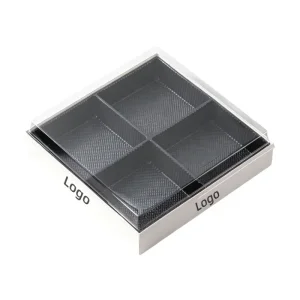
Large-scale commercial bakeries utilizing automated cake drum loaders and egg tart cartoners require flat-packed, die-cut boxes with high structural squareness. Precision folded corners prevent machine arm misalignment during rapid pick-and-place routines.
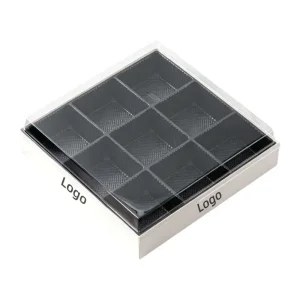
Oversized clear-lid catering trays and multi-compartment cookie sets demand automated wrap-around sleeve machines capable of applying tight perimeter compression without cracking rigid PET transparent domes.
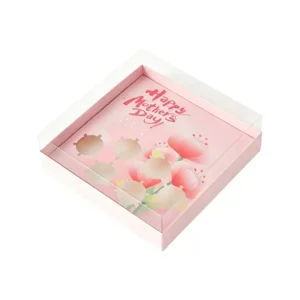
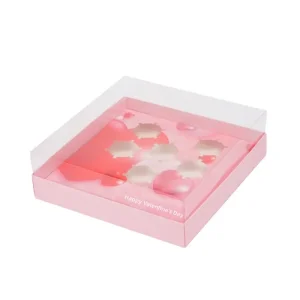
Mother’s Day, Valentine's, and holiday treat gift packaging lines mandate high-flexibility cartoners featuring digital recipe recall. Quick-change guide rails enable operators to swap box sizes (e.g., 2-grid to 6-grid) in under 15 minutes.
In-depth responses covering machinery specifications, procurement logistics, material safety, and total cost of ownership.
Explore additional high-demand packaging units engineered for seamless integration with secondary cartoning and casing machinery.