Precision-engineered corrugated base structures, high-clarity windowed treat packaging, and food-safe paperboard solutions optimized for global bulk export.
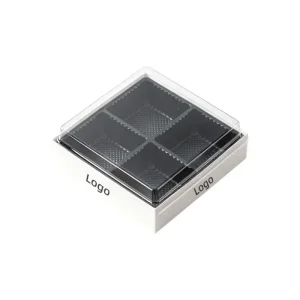
Navigating structural shifts in modern B2B packaging sourcing, sustainability mandates, and high-performance corrugated paperboard engineering.
The global market for wholesale packaging materials, particularly structural cardboard boxes and paper-plastic hybrid containers, is undergoing a profound structural shift. Driven by exponential growth in global e-commerce, automated cold-chain logistics, and quick-service restaurant (QSR) networks, demand for paper packaging solutions has transcended basic containment. Modern enterprise buyers require multi-functional packaging that balances high Edge Crush Test (ECT) ratings, optimized stacking strength, and moisture-resistant barrier coatings.
As global retail channels shift toward direct-to-consumer delivery models, the cardboard box has become a critical brand-touchpoint. Procurement directors and supply chain engineers no longer treat cardboard suppliers as commodity vendors. Instead, they demand strategic OEM/ODM manufacturing partners capable of delivering custom die-cut geometries, structural integrity under high stack compression, and sustainable lifecycle profiles.
Strict legislative frameworks across North America, the European Union, and the Asia-Pacific region are accelerating the transition away from single-use unrecyclable plastics. Single-use plastic bans, extended producer responsibility (EPR) regulations, and stringent food-contact material (FCM) directives require packaging factories to innovate rapidly.
Cardboard box suppliers must integrate bio-based polymer barriers, water-based disperse coatings, and food-grade recycled pulp. Achieving compliance with guidelines such as FDA 21 CFR 176.170 and EU Regulation (EC) No 1935/2004 is mandatory for industrial B2B enterprise procurement. Factories that fail to combine structural durability with verified compostability or recyclability face regulatory exclusion from high-value tier-1 supply chains.
A deep technical analysis of paperboard grammage, flute profiles, burst strength indices, and bio-barrier coatings.
Selecting the optimal flute profile is essential for balancing stacking strength, print quality, and volumetric efficiency:
Traditional poly-coated (PE) paperboards create challenges for recycling streams. Advanced paper conversion plants utilize water-based dispersion coatings and aqueous barrier technologies:
Modern packaging manufacturing relies on high-speed automated flatbed die-cutters and computer-controlled inline glue units:
| Board Grade / Paper Type | Grammage Range (gsm) | Flute Profile | Edge Crush Test (ECT) | Primary Application Profile |
|---|---|---|---|---|
| Virgin White Top Kraftliner | 250 - 400 gsm | E-Flute / F-Flute | 4.5 - 7.2 kN/m | Premium Retail Bakery Boxes, Gourmet Treat Platters |
| High-Burst Kraft Paperboard | 300 - 450 gsm | B-Flute / E-Flute | 6.0 - 9.5 kN/m | Heavy Catering Trays, Bulk Takeaway Boxes |
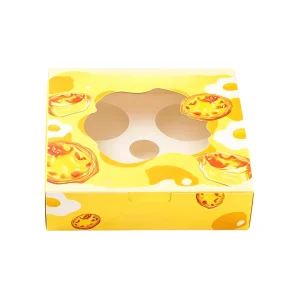
| Greaseproof Coated Board | 280 - 380 gsm | Micro-Flute | 3.8 - 5.5 kN/m | Egg Tart Boxes, Butter Pastry Packs, Fried Foods |
| Rigid Double-Wall Corrugated | 450 - 700 gsm | BE / BC Flute | 11.0 - 18.5 kN/m | Industrial Shipping Masters, Bulk Fruit Trays |
How regional manufacturing hubs like Chaozhou leverage vertical integration, rapid tooling, and economies of scale to deliver global cost efficiency.
China's packaging supply chain strength lies in specialized industrial clusters. In regional centers like Anbu Town, Chaozhou, the entire value chain—raw paperboard mills, polymer extrusion plants, cylinder engravers, plate makers, custom die-tooling shops, and automated converting factories—operates within a tight radius.
This localized density dramatically reduces lead times for complex custom packaging projects. What takes 6–8 weeks for structural prototyping and tooling development in Western markets can be achieved in 7 to 10 days in Chaozhou. Direct integration between paper mills and converting facilities guarantees stable raw material supply, hedging against global pulp price volatility.
Shipping empty, pre-assembled boxes across ocean channels creates massive freight inefficiencies. Advanced OEM factories solve this through precision knock-down (KD) and nestable structural design.
This flat-pack capability significantly lowers per-unit landed costs for international distributors, importers, and regional bakery supply networks.
Tailoring structural paperboard configurations to specialized commercial environments, retail displays, and cold-chain supply chains.
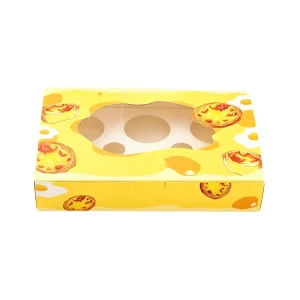
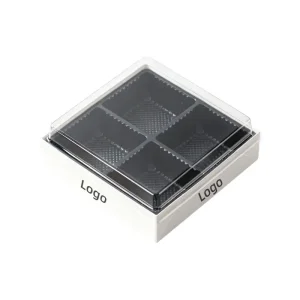
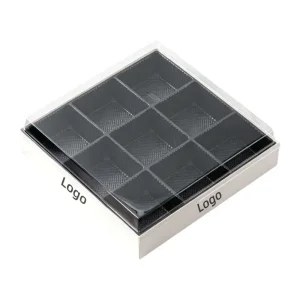
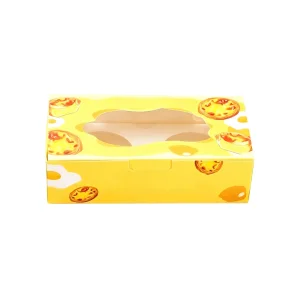
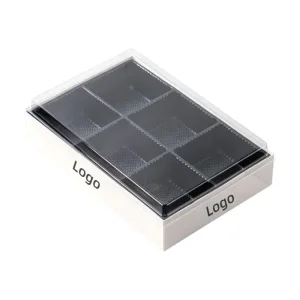
High-volume commercial bakeries require standardized, fast-assembly boxes that withstand grease migration from high-fat creams and butter pastries. Compartmentalized grid inserts (such as 2-grid, 4-grid, and 6-grid egg tart structures) prevent product collision during motorcycle and scooter delivery services.
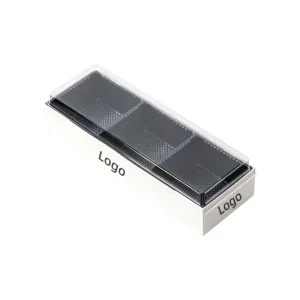
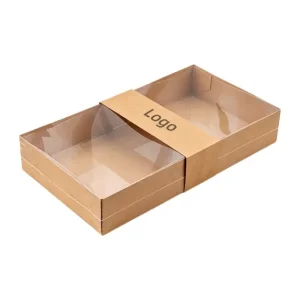
Modern supermarket aisles rely heavily on clear-lid paper containers for prepared salads, fresh sushi, and dessert portions. Anti-fog crystal PET lids paired with virgin kraft bases offer maximum visual clarity, driving impulse retail purchases while preventing moisture condensation on cold displays.
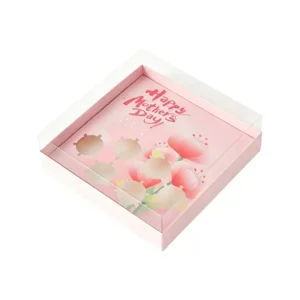
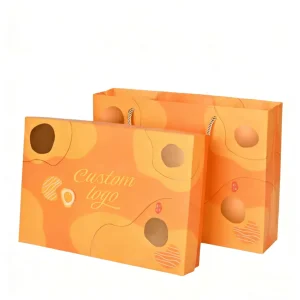
Holiday campaigns (Mother’s Day, Christmas, Mid-Autumn Festival) demand high aesthetic presentation. Premium cardboard boxes utilize hot-foil metallic stamping, spot UV contrast, tactile embossing, and integrated satin or rope carry handles to transform basic packaging into luxury seasonal gifts.
Catering operations require oversized, heavy-duty rectangular cardboard platters with structural corner locks. These packs withstand stack pressures during multi-tier transport in delivery vans, preserving food presentation for large corporate events and private banquets.
Rigorous quality control frameworks protecting global brands from safety non-compliance, structural failure, and supply interruption.
Every batch of virgin paperboard and PET polymer film undergoes strict migration testing. Heavy metal testing, overall migration limits (OML), and specific migration limits (SML) are verified to meet U.S. FDA, European LFGB, and GB 4806 food-safety standards.
To support corporate ESG standards and zero-deforestation mandates, paperboard materials can be sourced with Forest Stewardship Council (FSC-C123456) chain-of-custody certification, tracking raw wood pulp from responsibly managed forests to finished products.
Quality assurance follows strict AQL 2.5 / 4.0 inspection standards. In-line optical sensors verify print registration, glue seam integrity, and snap-lock tension, while laboratory drop-tests simulate real-world transport conditions prior to export release.
Detailed technical answers for B2B purchasing directors, structural packaging engineers, and global wholesale distributors.
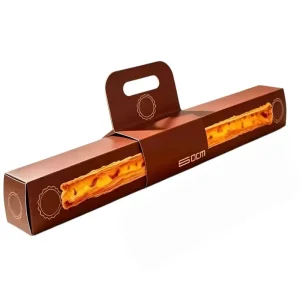
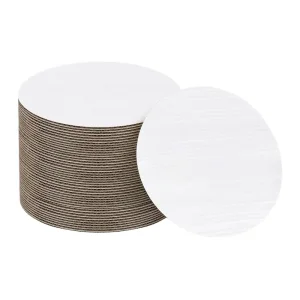
Specialized multi-compartment containers, seasonal gift structures, structural cake drums, and custom-printed takeaway food boxes.
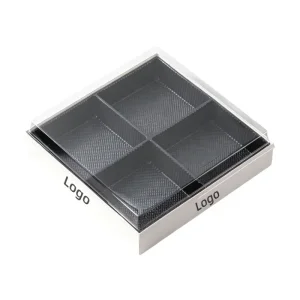
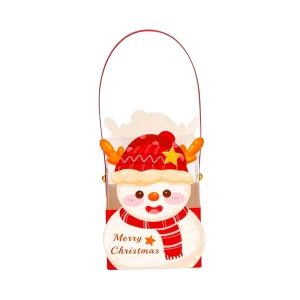
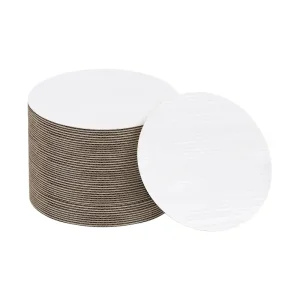
Partner with an established Chinese OEM/ODM packaging factory to engineer high-performance, cost-effective, and fully compliant corrugated cardboard solutions for your enterprise network.
Request Structural Specs & Quote