Engineered food-grade paperboard structures with ultra-clear barrier windows and precision-fit lids
A technical assessment of regulatory drivers, materials innovation, and enterprise supply chain decarbonization
The global packaging landscape is undergoing its most profound structural transformation since the commercialization of synthetic polymers in the mid-20th century. Driven by stringent global regulatory mandates—such as the European Union’s Single-Use Plastics Directive (EU 2019/904), Extended Producer Responsibility (EPR) frameworks across North America, and aggressive plastic taxes in Asian commercial hubs—multinational food service chains, commercial bakeries, and retail brands are aggressively accelerating the Plastic-To-Paper Shift.
This transition is no longer merely a public relations gesture or cosmetic corporate social responsibility (CSR) initiative. It represents a core operational imperative. Modern consumer markets demand packaging solutions that seamlessly combine environmental circularity with uncompromising structural performance. The engineering challenge lies in replacing fossil-fuel-derived polymers—such as expanded polystyrene (EPS), polypropylene (PP), and polyethylene terephthalate (PET)—with high-barrier virgin or recycled paperboard formulations without sacrificing grease resistance, moisture protection, structural rigidity, or shelf-life integrity.
Global bans on single-use plastics and escalating EPR fees mandate scalable paperboard transitions. Subsidies and carbon credits increasingly favor bio-based, compostable, and kerbside-recyclable substrate choices.
Replacing traditional PE/Wax linings with water-based dispersion barriers, bio-wax emulsions, and micro-fibrillated cellulose (MFC) to deliver Kit 12+ oil resistance and superior Water Vapor Transmission Rates (WVTR).
Unboxing optics dictate customer retention. Tactile kraft and virgin white boards convey artisan quality, driving higher sell-through rates and premium price tolerance in quick-service and retail environments.
Why Tier-1 global packaging procurement teams partner with specialized Chinese industrial clusters
When executing a large-scale Plastic-To-Paper Shift across thousands of retail outlets or global distribution networks, enterprise buyers face significant supply chain risks: lead-time volatility, substrate cost spikes, die-cutting precision defects, and tooling bottlenecks. China’s packaging industrial ecosystem—centered in specialized clusters such as Guangdong (Chaozhou and Shenzhen)—offers unmatched competitive advantages that bridge technical design, raw material availability, and mass-scale execution.
In regions like Chaozhou, raw material paper mills, food-grade chemical dispersion developers, precision die-makers, and automated folding-carton factories operate within a 30-mile radius. This geographical density enables instant access to diverse paperboard grades (virgin SBS bleached board, unbleached kraft, greaseproof paper, corrugated fluting C/E/F/N-flute, and high-clarity food-grade rPET/PET film sheets). The result is a drastic reduction in raw material acquisition cycles compared to Western converters.
Modern Chinese packaging hubs leverage state-of-the-art machinery, including automatic high-speed die-cutting machines, automated window-patching equipment, and thermoforming lines. Chinese manufacturers can produce up to 15,000 complex paper-plastic combination boxes per hour per line, maintaining dimensional tolerances within ±0.3mm—critical for high-speed automated filling lines in commercial bakeries and food assembly plants.
Custom packaging structures usually require custom die-lines, embossing plates, and blister thermoforming tooling. While Western tooling lead times often range from 6 to 10 weeks with prohibitive capital expenditure, Chinese factories cut specialized CNC aluminum molds and steel-rule die blocks in 3 to 7 working days at a fraction of the cost. This unlocks agile structural prototyping and rapid seasonal product iterations.
Data-driven engineering metrics realized across global enterprise deployments
Tailored structural packaging engineering across primary food delivery, retail, and catering vectors
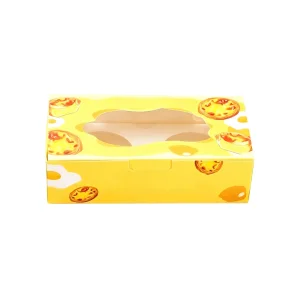
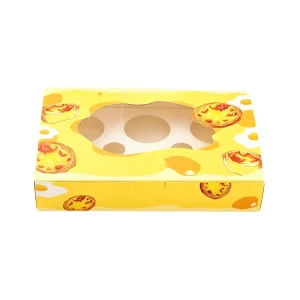
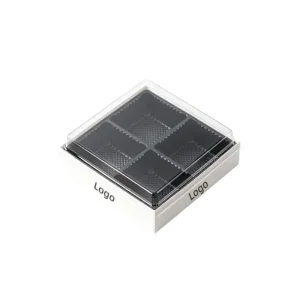
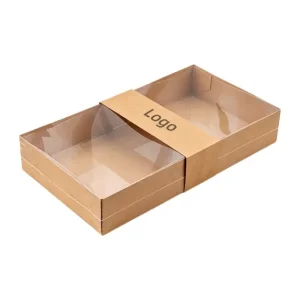
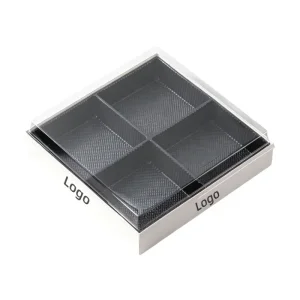
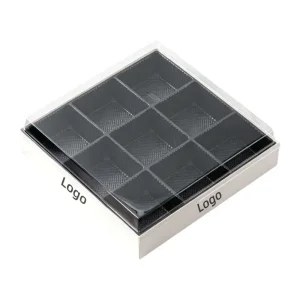
High-stiffness virgin paperboard boxes with high-clarity window cutouts. Replaces full PET clam-shells while retaining 180-degree product visibility for delicate pastries, egg tarts, mousse cakes, and artisan bread loaves.
Grease-resistant kraft and white board takeaway platters engineered with leak-proof fold-out corners and secure tab-lock mechanisms. Designed for fried treats, dim sum, sushi rolls, and hot meal combos.
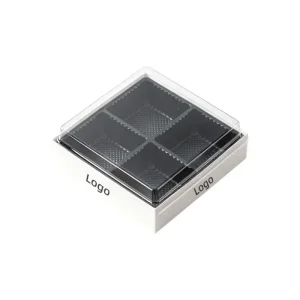
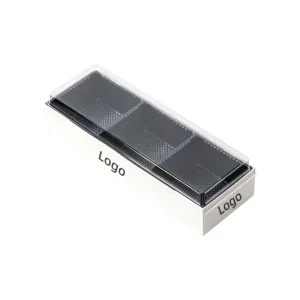
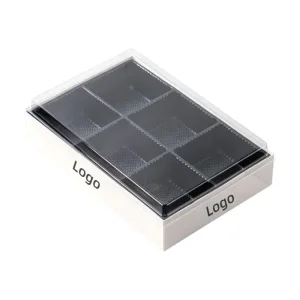
Rigid paper trays combined with rPET lid snaps. Provides superior stackability in refrigerated display cases, preventing crushing during transit while extending freshness for cut fruits and gourmet snacks.
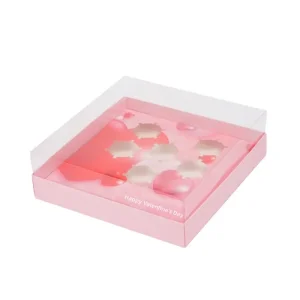
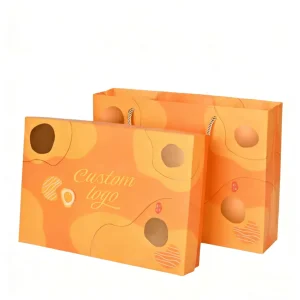
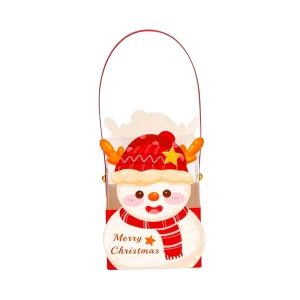
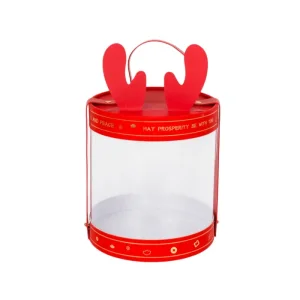
Multi-compartment festive gift sets featuring foil stamping, textured embossing, and integrated rope handles. Delivers premium unboxing experiences for Christmas, Mid-Autumn Festival, and Valentine’s Day promotions.
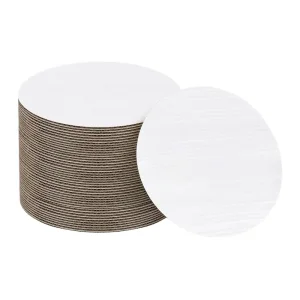
Heavy-duty double-wall corrugated bases combined with water-repellent exterior coatings. Built to withstand high-humidity condensation during cold chain transport for bulk catering operations.
Comprehensive material, structural, and regulatory specifications for global B2B procurement managers
| Packaging Feature | Plastic Substrate (Legacy) | Engineered Paper Alternative | Technical Compliance Standard |
|---|---|---|---|
| Primary Material | PET, PP, Polystyrene (PS) | Virgin SBS / Unbleached Kraft Board (250–400 gsm) | FSC / PEFC Chain of Custody Certified |
| Barrier Protection | Inherent Synthetic Polymer Barrier | Aqueous Dispersion Coating / Bio-Wax / Bio-PLA | FDA 21 CFR 176.170 / LFGB Section 31 |
| Oil & Grease Resistance | Complete Non-porous Surface | Engineered Surface Tension (Kit 6 to Kit 12+) | TAPPI T 559 cm-12 Standard Test |
| Display Transparency | Full 360° Clear Plastic Shell | High-Clarity PET/rPET Window Patch or Dome Lid | ASTM D1003 Haze & Transmittance Compliant |
| Thermal Range | -20°C to +70°C (PET) | -40°C (Cold Storage) up to +180°C (Ovenable Board) | ISO 178 Structural Rigidity Under Thermal Stress |
| Logistics Footprint | Pre-formed Rigid Clamshells (High Freight Volume) | Flat-Packed Knock-Down Design (Up to -35% Shipping Vol) | ISO 2234 Stacking & Compression Strength Tested |
| End-of-Life Stream | Landfill / Incineration (Low Recycling Rates) | Kerbside Paper Recycling / Industrial Composting | EN 13432 / ASTM D6400 Biodegradability Standard |
Expert technical answers regarding materials, costs, compliance, and custom manufacturing execution
Explore our full range of custom food containers, multi-compartment boxes, and heavy-duty cake bases
Accelerate your brand's sustainable packaging transition with direct OEM/ODM engineering, low MOQs, and reliable global delivery.
Whether you require structural CAD die-lines, physical pre-production samples in 5 working days, or full-container production runs, our engineering and export team is equipped to support your supply chain requirements.