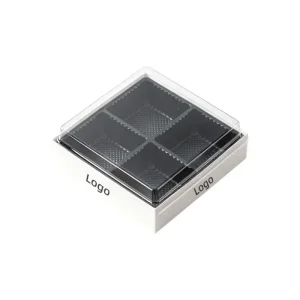
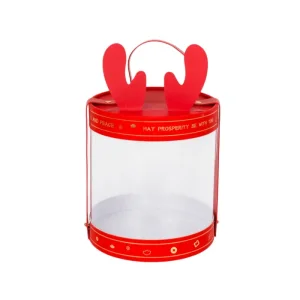
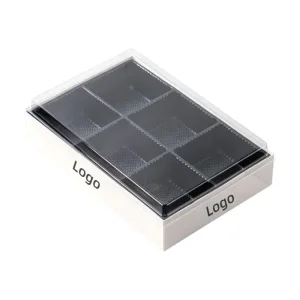
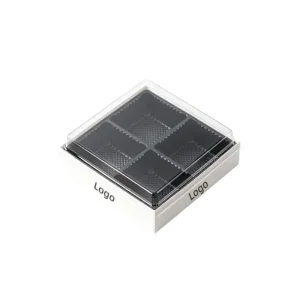
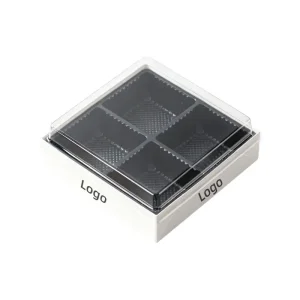
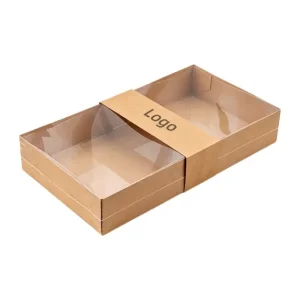
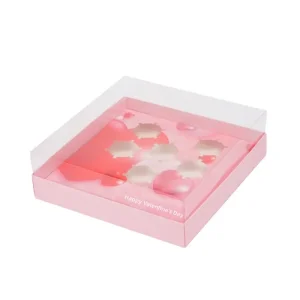
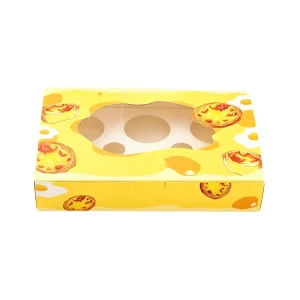
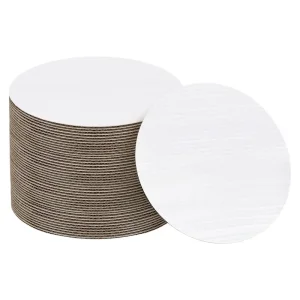
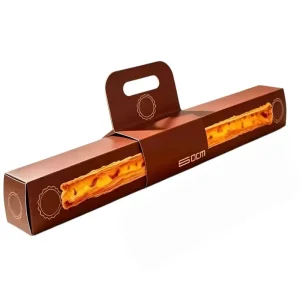
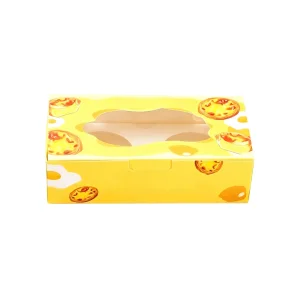
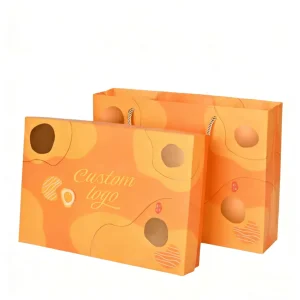
Explore our precision-engineered food-grade packaging containers, rigid bases, and custom-printed enclosure systems.
The global demand for high-performance flexible plastic packaging continues to expand rapidly, driven by FMCG expansion, elevated food safety standards, and retail shelf-differentiation imperatives. As global brand owners, packaging importers, and retail chains search for reliable wholesale printed plastic packaging bags manufacturers & factories, China—specifically the Guangdong packaging production cluster encompassing Chaoshan (Chaozhou & Shantou), Dongguan, and Shenzhen—remains the undisputed epicentre of flexible barrier packaging manufacturing.
Sourcing directly from a tier-1 Chinese plastic packaging manufacturer offers structural supply-chain advantages that extend far beyond unit cost reduction. Integrated industrial clusters in Chaozhou provide immediate physical proximity to raw material resin polymerization facilities, high-speed cylinder engraving workshops, specialized blown-film masterbatch formulators, and automated converter plants.
State-of-the-art 7-layer and 9-layer co-extrusion blown film lines enable ultra-precise gauge control (±1.5 microns) and engineered barrier layer insertion (EVOH, PA/Nylon) for enhanced gas and moisture retention.
Computer-controlled electronic gravure printing presses running up to 350 meters per minute deliver photorealistic CMYK + Pantone spot color accuracy with automated inline optical defect scanning.
Eco-friendly solvent-free laminating machines bond dissimilar polymer films (e.g., PET/AL/PE, BOPP/CPP) without VOC emissions or residual solvent retention, guaranteeing 100% food-contact safety compliance.
Selecting the optimal material laminate is a vital technical decision for B2B procurement managers. Packaging integrity directly dictates product shelf life, aroma preservation, burst resistance during transport, and optical display clarity. The matrix below outlines standard multilayer plastic barrier configurations utilized in our Chaozhou factory.
| Film Laminate Structure | WVTR (g/m²/24h) | OTR (cc/m²/24h) | Primary Industrial Application | Key Performance Attribute |
|---|---|---|---|---|
| BOPP / VM-PET / PE | < 0.5 | < 1.2 | Bakery, Confectionery, Dry Snacks | High metallized gloss, superior moisture barrier |
| PET / AL / NY / LLDPE | < 0.05 | < 0.1 | Retort Pouches, Coffee, Pet Food | Absolute light, oxygen, & moisture blockage |
| Matt BOPP / Kraft / PE | < 2.0 | < 15.0 | Artisan Bread, Gourmet Pastry Bags | Natural organic tactile feel with inner grease resistance |
| Mono-Material BOPE / PE | < 1.5 | < 8.0 | Sustainable Recyclable Retail Bags | 100% Circular Economy ready (RIC #4 Recyclable) |
The global packaging sector is undergoing its most profound regulatory shift in decades. Extended Producer Responsibility (EPR) regulations in Europe, plastic packaging taxes in the UK, and strict single-use plastic mandates across North America and Oceania are reshaping buyer procurement criteria. Forward-thinking printed plastic packaging bag manufacturers are pivoting from legacy non-recyclable multi-material laminates toward next-generation sustainable packaging architectures.
By replacing traditional PET print webs with Biaxially Oriented PE (BOPE) laminated to Low-Density PE (LDPE), converters create high-strength pouches that can be processed directly in existing PE recycling streams without costly material separation.
Incorporating up to 30%–50% GRS-certified (Global Recycled Standard) resin into non-direct food contact outer film layers allows global brands to substantially lower carbon footprints while satisfying municipal tax exemptions.
For organic retail and bakery sectors, polylactic acid (PLA) derived from renewable cornstarch, combined with PBAT sealable inner layers, provides industrial compostability complying with EN 13432 and ASTM D6400 standards.
Tailoring bag geometry and barrier functionality to specific commercial environments is critical to operational success. Our manufacturing facility engineers structural packaging solutions for four major market segments:
A. Commercial Bakery & Pastry Chains: High-clarity BOPP window bags with micro-perforations allow warm steam from freshly baked bread to escape without crispness loss, while integrated tin-tie wire closures enable effortless re-sealing in consumer homes.
B. Supermarket Deli & Ready-to-Eat Takeaway: Anti-fog PET/CPP laminates prevent moisture condensation under chilled display lights, preserving consumer visual appeal for pre-packaged sushi, cold-cut platters, and portioned dessert containers.
C. High-Speed Automated Form-Fill-Seal (FFS): High-density rollstock film manufactured with precise kinetic coefficients of friction (COF < 0.2) ensures smooth tracking through automated vertical and horizontal packaging machinery without film tearing or jaw jamming.
D. Luxury Festive & Retail Gift Packaging: Heavy-gauge soft-touch matte films combined with hot-foil stamping and spot UV coatings transform humble plastic carry bags into high-status promotional packaging for seasonal gift sets.
Essential technical clarity regarding OEM ordering protocols, quality control standards, tooling costs, and export logistics.
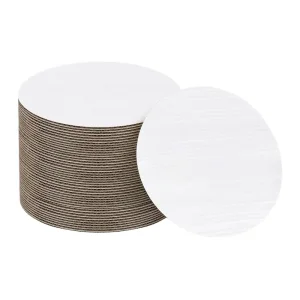
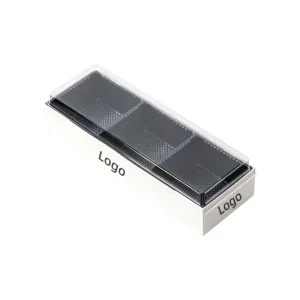
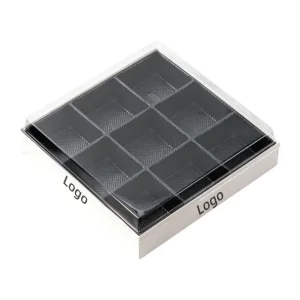
Explore our complete range of window boxes, tart containers, cake boards, and multi-compartment takeaway packs.