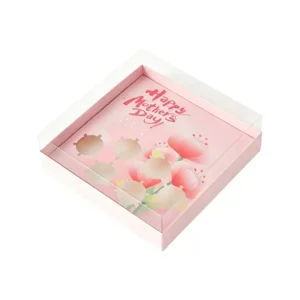
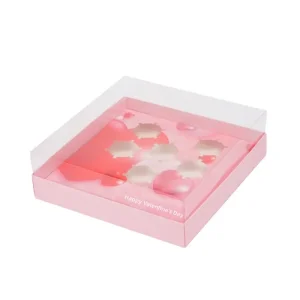
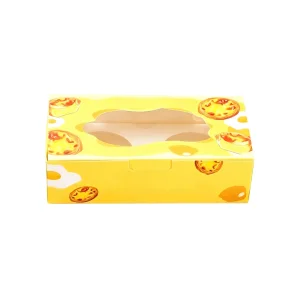
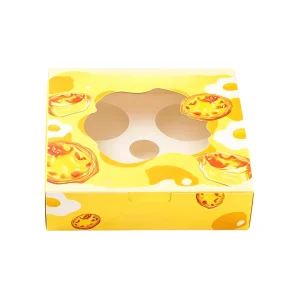
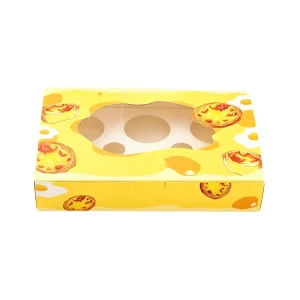
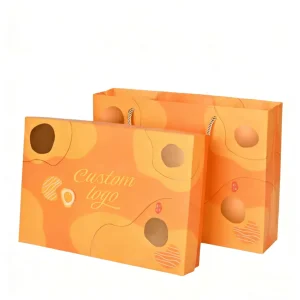
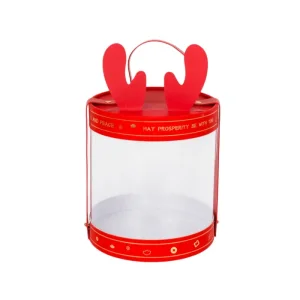
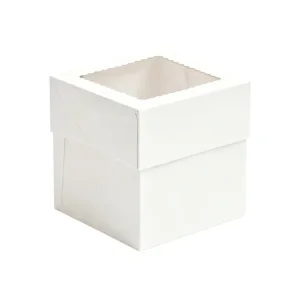
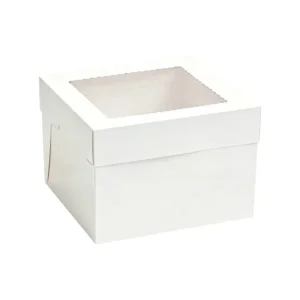
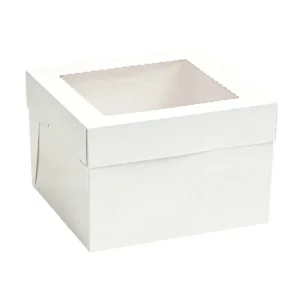
Precision-engineered, food-grade structural packaging tailored for high-volume Kenyan bakeries, quick-service retail (QSR), and commercial exporters. All items feature custom printing capabilities, grease barrier coatings, and airtight lid mechanisms.
An In-Depth Analysis of Supply Chain Evolution, Regulatory Benchmarks, and Custom Manufacturing Strategies for Nairobi, Mombasa, and the Broader East African Community (EAC).
Kenya stands as the undisputed financial, logistical, and commercial hub of East Africa. Driven by Kenya Vision 2030, the nation has experienced accelerated urban growth across major nodes including Nairobi, Mombasa, Kisumu, and Nakuru. This urbanization, coupled with a surging middle class and an expanding Q-commerce infrastructure (quick-commerce apps such as Glovo, Jumia Food, and local delivery platforms), has catalyzed unprecedented demand for primary and secondary food-grade packaging.
Modern Kenyan consumer preferences are shifting rapidly toward hygienic, visually captivating, and eco-conscious packaged goods. Supermarket chains (e.g., Naivas, Quickmart, Carrefour Kenya) and artisanal bakery franchises require rigid, leak-proof, and brand-differentiated packaging that withstands last-mile delivery challenges across urban terrain.
While Kenya boasts a growing domestic manufacturing sector, indigenous packaging converters frequently face structural headwinds: high electricity tariffs, limited localized pulp mills, raw material price volatility for virgin paperboard, and restricted access to advanced multi-layer barrier coating technologies.
Global brand owners and large-scale Kenyan distributors rely on direct-factory OEM/ODM partnerships with enterprise-scale Chinese plants to bridge this gap. By utilizing offshore engineering capabilities—such as precision die-cutting, high-speed thermoforming, and automated window patch application—Kenyan enterprises secure cost efficiencies up to 35% while gaining access to international-grade structural patents.
Navigating environmental mandates, moisture barrier requirements, and international food contact compliance for East African climate conditions.
Kenya exhibits diverse climatic zones—from the high humidity of coastal Mombasa to the temperate high altitudes of Nairobi and Rift Valley. Standard un-coated paperboard degrades rapidly under high relative humidity (RH), causing structural collapse when stacked in transit.
Our OEM solutions incorporate specialized moisture-resistant aqueous coatings, virgin kraft fibers (250–400 gsm), and high-rigidity PET window films. These structural reinforcements maintain box integrity across tropical logistics routes without softening or deforming.
Kenya’s National Environment Management Authority (NEMA) maintains some of the world's strictest plastic bans. Commercial brands must transition toward recyclable, biodegradable, or mono-material plastic alternatives.
We provide certified recyclable virgin board formulations, bio-based barrier films, and 100% recyclable rPET transparent components. Our window bags and cake boxes comply with international circular economy mandates while fulfilling Kenya’s strict environmental audit standards.
Shipping bulky, pre-assembled boxes across ocean trade routes from China to Kilindini Harbor (Port of Mombasa) incurs astronomical freight costs per unit. Optimizing cubic displacement is essential for modern buyers.
Our factory specializes in knock-down (KD) flat-pack design and nestable container geometries. By reducing shipping volume up to 35%, clients maximize container load utilization (20ft/40ft HQ), directly lowering landed unit costs in Nairobi.
From custom structural die-lines to high-precision offset printing, explore our end-to-end OEM/ODM production capabilities tailored for Kenyan enterprises.
To stay ahead of global packaging innovation, our factory is rolling out next-generation structural technologies designed for high-density retail markets:
Seamless customs clearance and product acceptance in East Africa through rigorous adherence to Kenya Bureau of Standards (KEBS) guidelines.
Importing commercial food packaging into Kenya requires strict compliance with food contact safety guidelines (such as KS EAS 880/881 standards). Substandard materials risk quarantine or rejection at the Port of Mombasa or ICDN (Intermodal Container Depot Nairobi).
Our products undergo comprehensive laboratory testing, certifying that heavy metals, migratory chemicals, phthalates, and volatile organic compounds (VOCs) remain well below international and East African safety thresholds. Complete batch inspection declarations and SGS test certificates accompany every export bill of lading.
We manage complete FOB, CIF, and DDP trade documentation for Kenyan importers. Ships depart regularly from Shantou and Shenzhen deep-water ports directly to Mombasa.
Our documentation package includes Commercial Invoices, Packing Lists, Certificates of Origin (Form E/COO), Clean Bills of Lading, and Pre-Export Verification of Conformity (PVoC) assistance to guarantee rapid customs release upon arrival.
Detailed technical, commercial, and logistical answers provided by our engineering and export desk for Kenyan enterprises.
Explore our broader selection of high-clarity PET dessert boxes, seasonal holiday containers, windowed pastry packaging, and carry-handle solutions.
Partner directly with an established food packaging manufacturer. Get engineering guidance, custom samples, and transparent ocean freight quotes to Mombasa today.