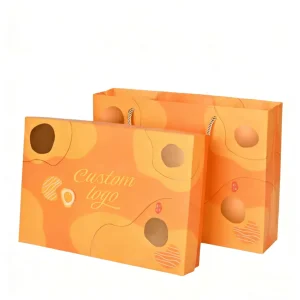
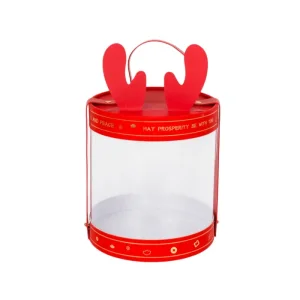
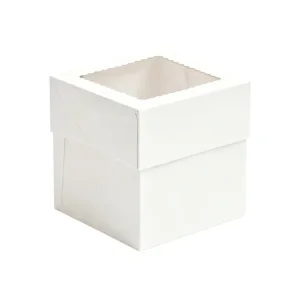
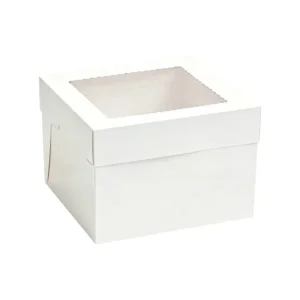
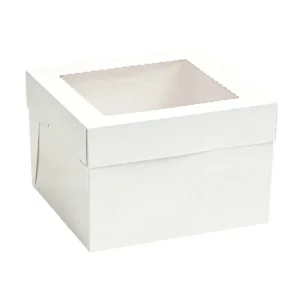
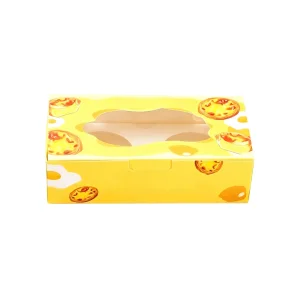
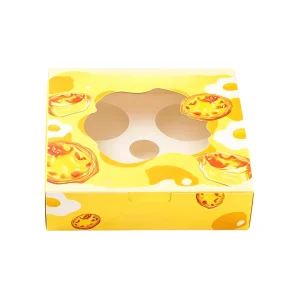
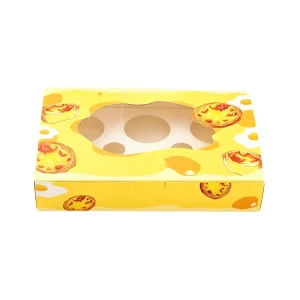
Tailored structural designs optimized for immediate deployment across Belgian chocolateries, patisseries, and commercial retail distribution networks.
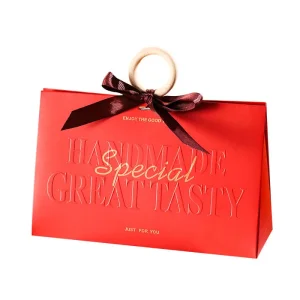
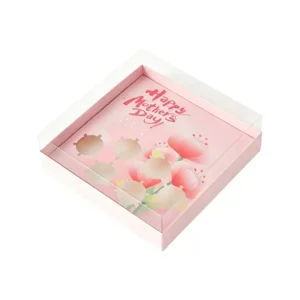
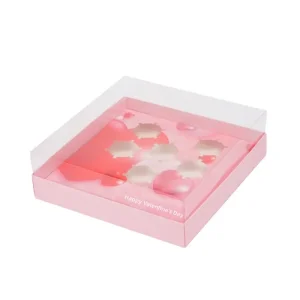
Belgium occupies a unique positioning within the European Union's commercial landscape. As the political center of Europe (Brussels) and a prime logistical hub housing the Port of Antwerp-Bruges—the second largest seaport in Europe—Belgium serves as a critical epicenter for high-value food production, artisanal confectionery, premium bakery manufacturing, and luxury FMCG packaging. The demand for specialized OEM Custom Brand Solutions across Brussels, Flanders, and Wallonia has transitioned from standard box sourcing to highly engineered, environmentally compliant structural ecosystems.
The Belgian market is heavily characterized by world-renowned industrial sectors, most notably its legendary chocolate manufacturing sector which produces over 600,000 tons of chocolate annually. Premium chocolatiers in Bruges, Ghent, Antwerp, and Brussels demand packaging solutions that perform under rigorous structural parameters: strict barrier isolation against grease and moisture transfer, optical clarity for window packaging, rigid corner geometry for automated gift-wrapping lines, and 100% compliance with Belgian Federal Agency for the Safety of the Food Chain (FAVV / AFSCA) protocols.
Operating within the Belgian market mandates absolute compliance with the European Packaging and Packaging Waste Regulation (PPWR) directives. Belgian buyers require paperboard solutions sourced exclusively from FSC-certified forests, zero-PFAS grease barrier coatings, and ultra-pure rPET (recycled polyethylene terephthalate) transparent lids that support kerbside circular recycling streams without compromising clarity.
Direct ocean freight routes connecting major export terminals (Shenzhen/Shantou) directly to the Port of Antwerp enable smooth, cost-efficient bulk shipments. To mitigate escalating warehouse storage costs across European logistics hubs, advanced OEM factories engineer knock-down flat-pack structures that optimize container fill rates by up to 35% compared to pre-assembled boxes.
While Western European brand owners define front-end design aesthetics and consumer marketing, scaling production locally in Belgium often incurs excessive overhead, prolonged tooling lead times, and constrained capacity during peak seasonal demand (such as Christmas, Valentine's Day, and Easter). Integrating a direct manufacturing partnership with specialized Chinese packaging clusters—specifically the Chaozhou packaging industrial region—bridges the gap between bespoke craft design and scalable industrial efficiency.
Deploying state-of-the-art Mengxing thermoformers and Zhongbo high-speed automatic die-cutters allows microscopic dimensional tolerances (±0.15mm). This guarantees flawless snap-fit locking between paper bases and PET lids—a critical requirement for automated food packaging lines in Belgian commercial bakeries.
By maintaining an extensive internal library of pre-engineered steel-rule dies and blister molds, tool modification costs are slashed. Prototyping lead times drop from weeks to 48 hours, enabling rapid trial runs for Belgian holiday campaigns without upfront capital risk.
Utilizing Heidelberg 6-color offset printing presses equipped with inline spectrophotometers ensures perfect reproduction of Pantone brand identity colors, gold foil stamping, and spot UV textures required by high-end Belgian luxury gift collections.
Custom packaging demands vary substantially across the distinct linguistic and commercial zones of Belgium. Factory OEM customization must dynamically align with local operational formats:
In metropolitan Brussels and French-speaking Wallonia, high-end chocolateries demand multi-tier ballotins and rigid window boxes. Key requirements include food-grade grease barriers to prevent cocoa butter migration through paperboard fibers, high-clarity PET lids with anti-fog coatings, and metallic foil stamping for festive packaging collections during Saint Nicholas and Easter celebrations.
Across Flemish cities like Antwerp, Ghent, and Leuven, bakery chains and Liege/Brussels waffle vendors require heat-resistant, grease-proof takeaway boxes and window bags. Flat-pack design is crucial for fast counter assembly during high-footfall tourist hours, paired with integrated carry handles for convenient city takeaway.
To empower procurement managers and packaging engineers in evaluating supplier capabilities, the matrix below outlines standardized material grades, structural tolerances, and compliance parameters executed in our production lines.
| Performance Parameter | Technical Specification Standard | EU / Belgium Compliance Status |
|---|---|---|
| Paperboard Substrates | Virgin White Board (250–400 gsm), Kraft Board, Grease-Resistant Coated Board | FSC Certified, EU 1935/2004 Food Contact Safe |
| Clear Window / Cover Plastic | Food-Grade PET / rPET Sheet (Thickness: 0.25mm to 0.45mm) | 100% Recyclable under EU PPWR Guidelines |
| Grease & Water Resistance | Water-based Aqueous Coating / Bio-Wax Coating (Zero PFAS) | FAVV / AFSCA Approved for direct food contact |
| Printing Capabilities | Heidelberg 6-Color Offset, Pantone Spot Matching, Hot Foil, Spot UV | Low-Migration Food Packaging Inks (EuPIA Compliant) |
| Dimensional Tolerance | Precision Laser Cut / Die Cut: ±0.15mm snap-fit tolerance | ISO 9001:2015 Quality Management System |
| Logistics Packing Engineering | Flat-pack / Knock-down nested assembly options | Reduces ocean freight CBM and warehouse storage costs |
Looking for customized structural CAD drawings, pre-production physical samples, or volume pricing for the Belgium market? Our packaging engineers respond within 24 hours.
Send Inquiry NowWhen Belgian enterprise brands establish OEM supplier relationships with Chinese manufacturing facilities, implementing a structured qualification framework mitigates operational risks and ensures zero delivery disruptions.
Every structural design undergoes strict virtual stress modeling. Structural fold lines, snap-lock resistance, and stackability metrics are verified against target payload weights before cutting physical dies.
High-fidelity pre-production samples—complete with exact board weight, surface lamination, and printed graphics—are dispatched via express courier to Belgium for physical client sign-off.
Mass production is executed under strict AQL (Acceptable Quality Limit) 1.0/2.5 protocols. Inline automated vision systems inspect print registration, glue seam integrity, and PET lid transparency.
Direct insights from our technical engineering team regarding compliance, minimum order quantities, shipping logistics, and structural design capabilities for Belgian partners.
Explore our comprehensive catalog of specialized packaging formats, designed for scalable manufacturing and rapid distribution across Benelux retail channels.