Direct supply line items produced with food-grade virgin paperboard, ultra-clear PET covers, and precision rotary die-cutting structural integrity.
How shifting sustainability directives, consumer unboxing psychology, and automated converting lines are reshaping the $300B paperboard packaging sector.
Global regulatory frameworks such as the European Union’s PPWR (Packaging and Packaging Waste Regulation) and North American municipal single-use plastic bans are forcing retail, food service, and consumer packaged goods (CPG) brands to transition rapidly toward paperboard solutions. Creative cardboard structures provide the requisite structural barrier while maintaining 100% kerbside recyclability.
Cardboard is no longer a passive shipping container; it is an active marketing vehicle. Advances in high-grammage virgin kraft board, high-definition offset lithography, spot UV embellishments, and custom die-cut windows elevate product perception. Brands utilizing ODM structural packaging report up to 28% higher retail conversion rates compared to generic commodity packaging.
Modern ODM cardboard factories integrate aqueous barrier coatings, polyethylene-free bio-wax linings, and high-burst corrugated fluting (E-flute, F-flute, Micro-flute). These technical adaptations enable paper containers to withstand grease absorption, sub-zero refrigeration condensation, and direct hot food contact without structural collapse.
While standard OEM manufacturing merely executes buyer-supplied artwork on existing dies, **ODM (Original Design Manufacturing)** cardboard factories solve complex logistical problems. Through flat-pack engineering, stress-point distribution modeling, and material-yield optimization, an advanced ODM factory can reduce overall shipping volume (CBM) by up to 35% while increasing stacking load strength by 40%.
| Substrate Material | Grammage Range (GSM) | Bursting Strength (KPa) | Grease Resistance Rating | Primary Industrial Application |
|---|---|---|---|---|
| Virgin Unbleached Kraft Board | 250 - 450 GSM | 550 - 950 KPa | Kit 8 - Kit 12 (Coated) | Heavy-duty bakery carry boxes, artisan bread containers, rustic gift sets. |
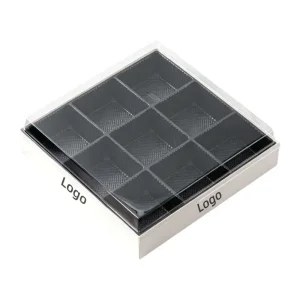
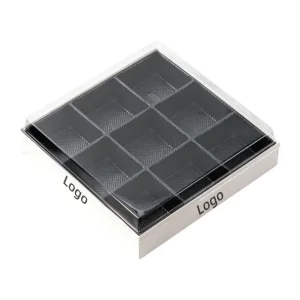
| Food-Grade Solid Bleached Sulfate (SBS) | 230 - 400 GSM | 400 - 750 KPa | Kit 5 - Kit 10 (Aqueous Coating) | High-definition printed luxury confectionary, multi-grid pastry boxes, retail packaging. |
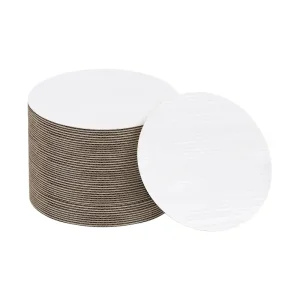
| Micro-Flute Corrugated (E/F Flute) | 1.0mm - 1.8mm Wall | 850 - 1400 KPa | High Structural Load Capacity | Heavy multi-tier cake boards, bulk takeaway trays, stackable sushi catering boxes. |
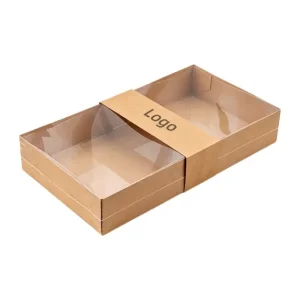
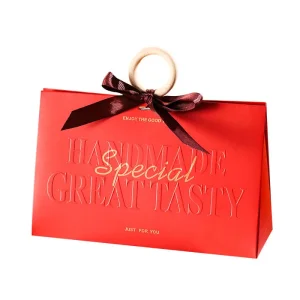
| Hybrid Cardboard + Food-Grade PET | 300 GSM + 0.3mm PET | Dual-Rigidity Composite | 100% Moisture Barrier | Transparent dome bakery boxes, luxury chocolate gift boxes with ribbon closures. |
Why Tier-1 industrial clusters in Guangdong—specifically Chaozhou and Shenzhen—deliver unmatched unit economics, speed-to-market, and vertical integration.
Unlike fragmented regional converters, leading Chaozhou factories house papermaking pulp prep, precision offset printing, automatic window film lamination, thermoforming blister lines, and high-speed rotary die-cutters inside one unified manufacturing complex.
In-house CAD structural design labs equipped with automatic sample-cutting tables allow factories to move from a 2D CAD dieline or 3D concept to a physical proofing sample in under 48 hours, accelerating client launch timelines.
With extensive libraries containing thousands of existing die-cut molds and thermoforming blister tools, clients save thousands of dollars in tooling fees while gaining instant access to industry-standard packaging dimensions.
Proximity to Shantou and Shenzhen deep-water ports, paired with factory-controlled palletization and flat-pack carton bundling, ensures maximum container cube utilization and minimal freight damage.
Tailored structural packaging engineered to satisfy regional retail customs, food service ergonomics, and seasonal peak consumer behavior across key markets.
High-turnover bakery environments require pre-folded or instant snap-lock cardboard boxes that streamline counter assembly during peak hours. Grease-resistant bottom trays coupled with fog-resistant PET clear lids ensure artisan breads, fruit tarts, and delicate mousses remain fresh and visually appetizing on shelf displays.
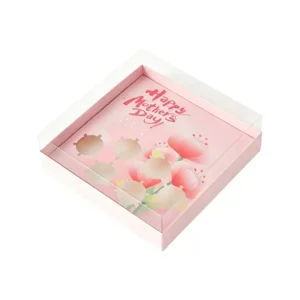
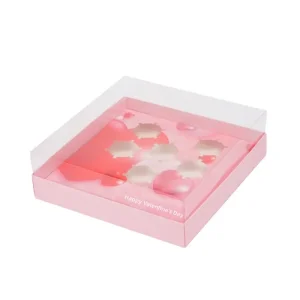
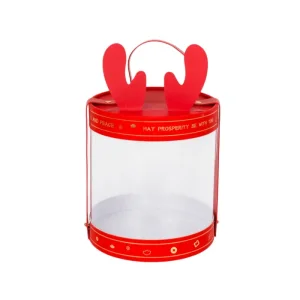
Occasion-driven campaigns (Mother's Day 6-grid treat boxes, Valentine’s Day romantic cupcake sets, Christmas reindeer cookie buckets) rely on specialized die-cut inserts and premium surface treatments. Foil stamping, custom embossed patterns, and integrated satin ribbon handles elevate giftable appeal without requiring secondary outer wrapping.
Modern fast-casual dining and corporate catering demand oversized, multi-compartment rectangular cardboard platters. Engineered with rigid corrugated cake boards and heavy-duty corner posts, these boxes safeguard sushi arrays, fruit platters, and gourmet sandwich spreads during last-mile delivery bike or vehicle transit.
Technological innovations and circular economy initiatives defining the next decade of sustainable paperboard converting.
The industrial shift away from traditional PE/PET film lamination has driven the commercialization of aqueous-based water-dispersible barrier coatings. Future cardboard packaging will achieve complete repulpability in standard paper recycling mills while providing zero grease penetration and high moisture resistance.
High-speed digital printing enables the direct integration of serialized QR codes, RFID threads, and anti-counterfeiting micro-prints into cardboard box folding panels. Enterprise brand owners leverage this technology for real-time supply chain tracking, freshness verification, and interactive consumer digital experiences.
Developments in micro-flute technology (such as N-flute and K-flute corrugated board under 0.8mm) allow factories to replace heavy rigid folding boxboard with lighter, structurally superior corrugated alternatives—significantly reducing raw material consumption and carbon footprint during transit.
A standardized audit and vetting protocol established by senior packaging engineers for evaluating overseas ODM factory capability.
Ensure the manufacturing facility holds up-to-date food-contact testing certifications, including FDA 21 CFR 176.170 (for paperboard in contact with aqueous and fatty foods), EU Regulation No 1935/2004, and German LFGB compliance. Batch-level material declarations must accompany every export container.
Verify that paperboard die-cuts match PET lid contours precisely. Structural interference fits must maintain an insertion force within safe operational limits while providing sufficient retention force to prevent accidental opening during consumer transportation.
Evaluate the knock-down ratio of un-assembled boxes. Enterprise buyers should prioritize packaging structures engineered for flat stacking that optimize ocean container loading metrics (utilizing 95%+ of internal 40ft HQ container cubic capacity).
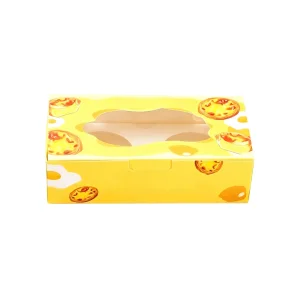
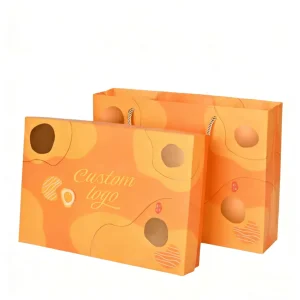
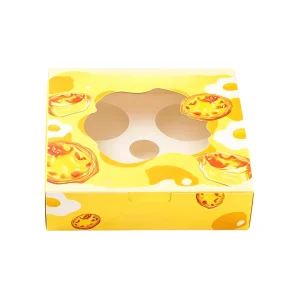
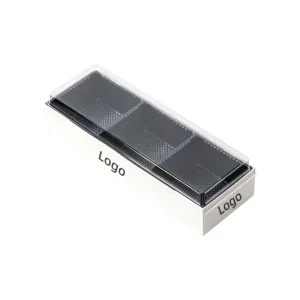
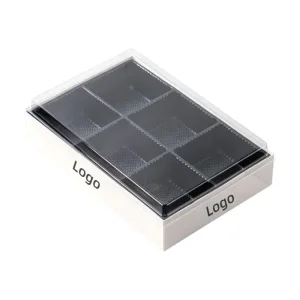
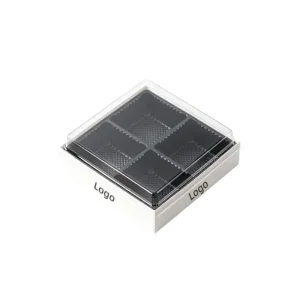
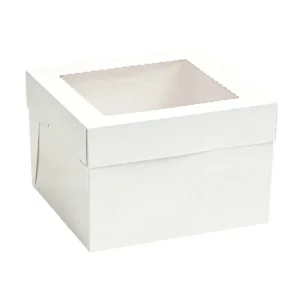
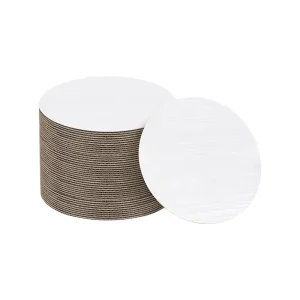
Explore our complete ODM catalog featuring customized grid dimensions, food-grade barrier coatings, and luxury retail gift formats.
Technical guidance and commercial parameters answered by our senior packaging engineers and export specialists.