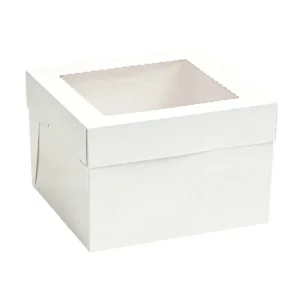
In the era of stringent Scope 3 emissions accounting and global circular economy initiatives, paper and packaging manufacturing has transitioned from a downstream operational necessity to a cornerstone of corporate ESG (Environmental, Social, and Governance) strategy. Partnering with an ODM FSC-Certified Printing Factory is no longer merely an option for brand differentiation—it is an imperative regulatory barrier to entry across North American, European Union, and Asia-Pacific consumer markets.
The Forest Stewardship Council (FSC) Chain-of-Custody (CoC) certification guarantees that virgin wood pulp used in virgin folding boxboards, solid bleached sulfate (SBS) paperboard, and unbleached kraft substrates originates from responsibly managed forests. These forests are audited to ensure strict preservation of biodiversity, protection of indigenous community rights, and absolute compliance with zero-deforestation mandates. As global legislative frameworks—such as the EU Packaging and Packaging Waste Regulation (PPWR) and the anti-deforestation mandate (EUDR)—tighten, enterprises require complete auditability from tree nursery to converted retail box.
Multi-national retail brands face severe financial penalties for non-traceable fiber products. FSC-certified factories provide cryptographic invoice trace codes and transparent chain-of-custody documentation, mitigating import clearance risks at global ports.
Replacing petroleum-derived plastic packaging with high-barrier FSC paperboard directly reduces brand Scope 3 emissions by up to 42%. It empowers procurement leaders to meet published 2030 Net-Zero commitments.
Studies demonstrate that on-pack FSC logos combined with eco-friendly soybean-ink printing increase retail shelf conversion by up to 18% among millennial and Gen-Z demographic segments.
Institutional buyers—ranging from regional bakery chains and FMCG brand conglomerates to wholesale packaging distributors—approach ODM sourcing with highly specified technical requirements. The modern procurement matrix extends far beyond unit price negotiation to encompass total cost of ownership (TCO), material performance engineering, and regional market adaptability.
By analyzing search intent patterns across thousands of global RFQs (Requests for Quotation), enterprise buyers consistently search for factories offering integrated OEM/ODM manufacturing. Key decision vectors include:
Situated within the industrial packaging epicenter of Anbu Town, Chaozhou—the premier printing and packaging cluster in China—advanced ODM factories leverage massive ecosystem integration. The convergence of raw material paper mills, high-precision tooling shops, and automated converting equipment creates an unassailable supply chain advantage for global buyers.
Deploying state-of-the-art German Heidelberg offset printing presses, automatic Zhongbo die-cutters, and high-speed Mengxing blister forming lines ensures dimensional tolerances within ±0.3mm across millions of units.
Algorithmic nesting software optimizes CAD die-lines directly onto paperboard sheets, maximizing sheet utilization rate to over 94% and substantially reducing raw material waste overheads.
Direct access to Shantou and Shenzhen deep-water shipping terminals enables streamlined FOB, CIF, and DDP export logistics. Container consolidation and custom palletization eliminate handling damage during ocean transit.
In commercial food service and retail bakery packaging, paperboard substrates face an inherent technical challenge: resisting fats, oils, and moisture vapor while maintaining compliance with standard paper recycling streams. Traditional packaging relied heavily on polyethylene (PE) or wax coatings, which render paper non-repulpable in municipal waste management infrastructure.
Leading-edge ODM FSC factories resolve this through advanced bio-polymer formulation and aqueous barrier coatings (WBBC). By applying ultra-thin, water-dispersible barrier layers directly onto FSC-certified virgin cardboard, packaging achieves Cobb values under 15 g/m² (moisture absorption) and Kit 9+ grease resistance without compromising kerbside repulpability.
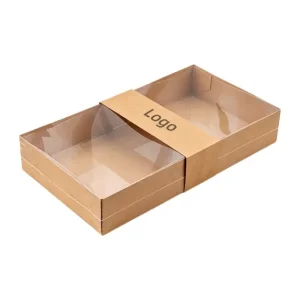
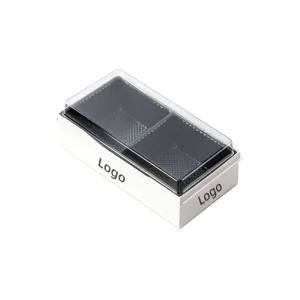
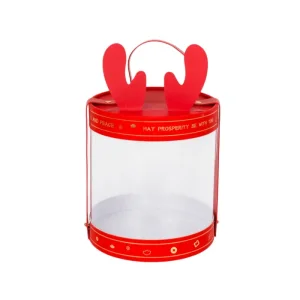
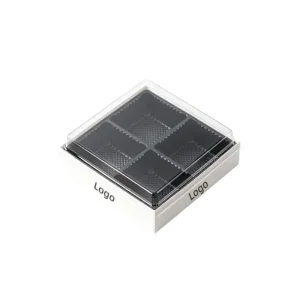
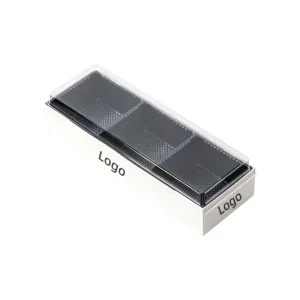
For retail applications demanding 360-degree product visibility—such as high-end cake displays, gourmet pastry sets, and artisan tart boxes—hybrid structural engineering combines rigid FSC paper bases with food-grade PET/rPET covers.
Transporting empty packaging represents a significant cost inefficiency. Advanced ODM design teams re-engineer traditional rigid box structures into flat-folding ("knock-down") formats.
Packaging structural dynamics are inherently tied to specific operational workflows. An effective ODM manufacturing partner tailors material grammage, structural rigidity, and barrier coatings to match precise end-use scenarios:
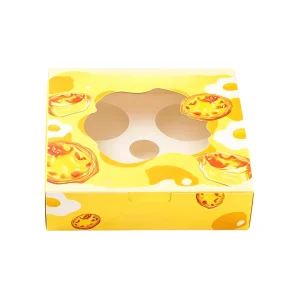
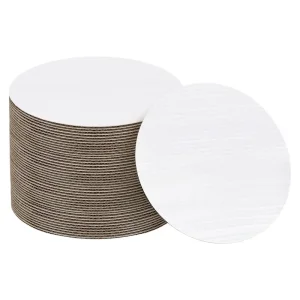
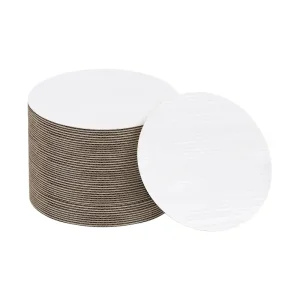
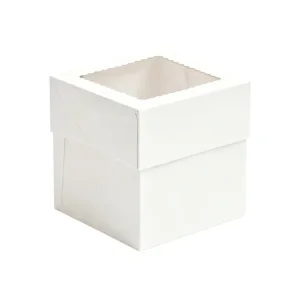
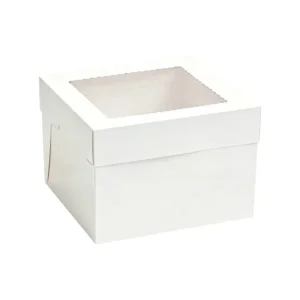
Requires high-volume, uniform square window boxes, egg tart trays, and cake drums. Heavy-duty corrugated cake bases (6-inch to 12-inch) provide structural support for multi-tiered celebration cakes up to 15 kg.
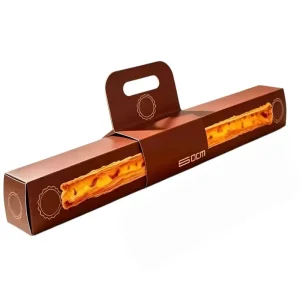
Focuses on slim food boxes for single-portion dessert rolls, sushi portions, and artisan toast bags featuring integrated tin-wire closures to preserve crumb freshness and crust crispness.
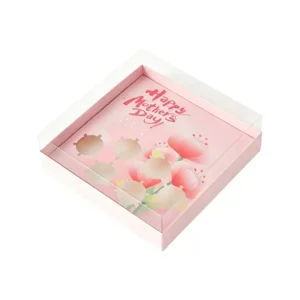
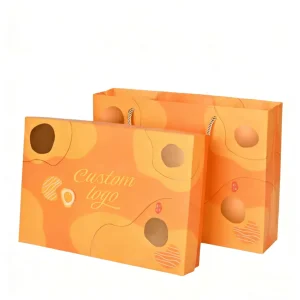
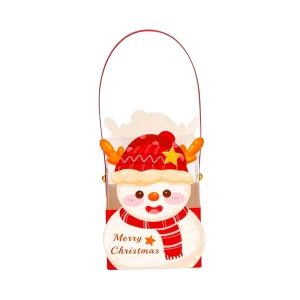
Demands high-impact gift buckets, holiday treat packaging (Christmas, Mother's Day), featuring multi-color CMYK offset printing, foil stamping, embossed textures, and premium handbag handles.
Clear responses from our engineering and export compliance department addressing common technical, operational, and regulatory inquiries.