Explore our core catalog of food-grade, structural packaging engineered for fast-turnaround ODM prototyping and bulk enterprise delivery.
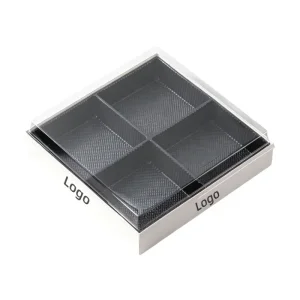
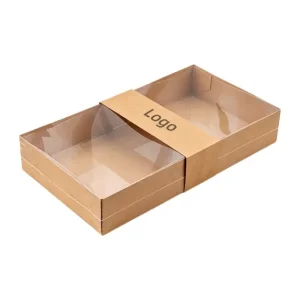
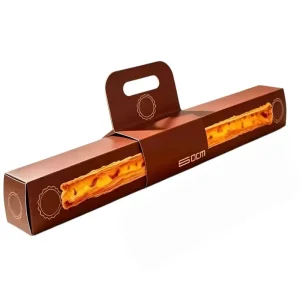
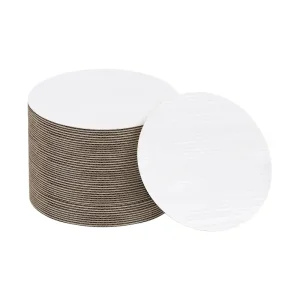
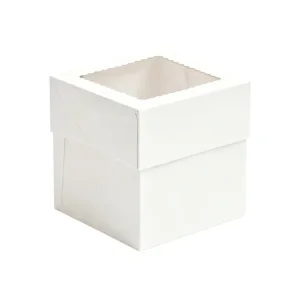

In the contemporary fast-moving consumer goods (FMCG) and industrial bakery sectors, product life cycles have compressed dramatically. Brands, multinational retail chains, and food service conglomerates no longer have the luxury of 12-to-16-week packaging development cycles. Sourcing managers and packaging engineers are increasingly reliant on specialized ODM (Original Design Manufacturing) Rapid Prototyping Suppliers to bridge the gap between initial conceptual CAD designs and full-scale commercial manufacturing within days.
ODM rapid prototyping in food packaging transcends simple 3D printing; it represents a comprehensive structural, thermal, and barrier engineering process. By leveraging precision computer-aided design (CAD), high-speed CNC mold milling, digital die-cutting, and rapid thermoforming, packaging manufacturers can validate physical functionality—such as stackability, snap-fit integrity, moisture barrier effectiveness, and cold-chain resistance—prior to committing substantial capital to mass-production steel tooling.
For procurement directors managing multi-market food retail supply chains, structural packaging is a complex procurement category influenced by raw material volatility, international tariff structures, and strict food contact safety regulations. The shift toward specialized ODM rapid prototyping service models addresses several critical commercial friction points:
Traditional hardened steel molds require heavy upfront capital investment. ODM rapid prototyping utilizes precision aluminum CNC tooling and soft-resin vacuum forming to produce production-grade samples at a fraction of standard tooling costs.
Over 40% of international shipping costs for rigid packaging are attributed to trapped air. Advanced ODM engineering focuses on knock-down (KD) flat-pack structures and nestable design geometries that significantly increase container loading efficiency.
Deploying seasonal packaging (e.g., holiday confectionery buckets, mid-autumn mooncake sleeves) carries massive inventory exposure. Rapid physical prototyping allows sensory testing and consumer focus group evaluation prior to mass production.
The modern packaging ecosystem has shifted away from single-material dominance toward high-performance hybrid packaging architectures. Sourcing partners require technical expertise across both cellulose-based paperboards and high-clarity thermoformed polymers.
| Substrate / Structure Type | Grammage / Thickness Range | Barrier Capabilities (OTR / WVTR) | Primary Industrial Application | Recyclability & Regulatory Standard |
|---|---|---|---|---|
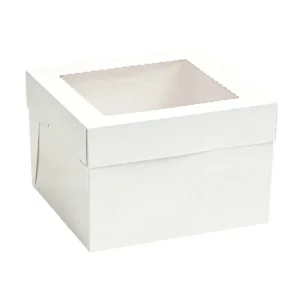
| Virgin Kraft Board + Aqueous Coating | 250 gsm – 400 gsm | High Oil/Grease Resistance, Medium Moisture Barrier | Artisan Bread, Pastry Boxes, Takeaway Platters | Kerbside Recyclable (EU PPWR compliant) |
| Virgin White Solid Bleached Board (SBS) | 280 gsm – 350 gsm | Standard Print Surface, Low Gas Barrier | Gourmet Cookie Buckets, Custom Branded Sleeves | 100% Biodegradable & Compostable |
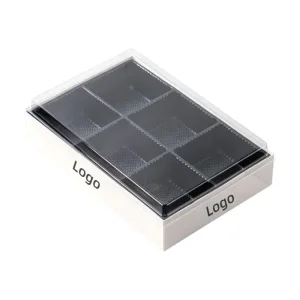
| Amorphous PET (aPET / rPET) | 0.25 mm – 0.45 mm sheet | Exceptional Oxygen Barrier, High Optical Clarity | Clear Bakery Dome Lids, Dessert Compartment Trays | Category 1 PET Recyclable (Up to 100% PCR content) |
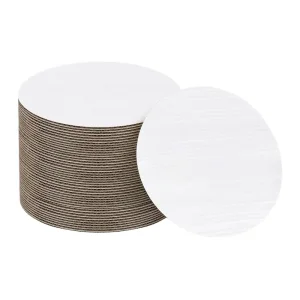
| Greaseproof Corrugated Micro-Flute (E/F Flute) | 1.1 mm – 1.8 mm thickness | High Structural Load Bearing, Impact Resistance | Heavy Multi-Tier Cake Drums, Takeout Catering Base | FSC-Certified Cellulose Stream |
Understanding the engineering workflow of an ODM rapid prototyping service allows global enterprise buyers to align their internal product launch milestones with manufacturing timelines.
Parametric 3D modeling based on product dimensions, shelf-life parameters, and target stack-weight requirements. Digital stress simulations ensure structural stability.
High-speed CNC milling cuts soft aluminium test molds for PET thermoforming, while precision drag-knife plotters sample cut corrugated and paperboard substrates.
Physical prototypes undergo rigorous testing: drop-impact testing, cold-storage compression testing, snap-fit retention force evaluation, and optical transparency checks.
Upon client sign-off, multi-cavity hardened steel die-cutters and thermoforming molds are produced for high-volume automated production runs (up to 500,000 units/day).
Food contact packaging is one of the most heavily regulated industrial segments globally. Rapid prototyping services must integrate international compliance standards into the early material selection stage to prevent costly regulatory blockages during customs clearance and retail distribution.
All paperboards, polymer resins, coatings, and printing inks utilized in prototyping strictly adhere to FDA 21 CFR 176.170 (direct food contact for paperboard) and FDA 21 CFR 177.1630 (polyethylene phthalate polymers). Heavy metal concentrations are verified below 100 ppm per CONEG guidelines.
In accordance with the EU Packaging and Packaging Waste Regulation (PPWR) and German LFGB Sections 30 & 31, prototype designs prioritize mono-material construction for simplified recycling streams, while eliminating intentionally added PFAS (per- and polyfluoroalkyl substances) in oil-resistant paper coatings.
Packaging supplied to UAE, Saudi Arabia, and broader GCC markets complies with GSO 2231/2012 for food packaging materials. Rapid prototyping protocols ensure degradation requirements and specific migration limits (SML) for heavy metals are fully satisfied.
To eliminate risk for overseas importers, sophisticated ODM suppliers operate stringent Quality Assurance (QA) frameworks. Prototype dimensions are mapped to digital tolerance masters, establishing baseline metrics for subsequent full-scale production batches.
During mass production, quality control inspectors execute double-sampling protocols according to ISO 2859-1 / ANSI/ASQ Z1.4 (AQL 1.0 Major / 2.5 Minor). Critical quality attributes—such as lid snap retention force, board creasing stiffness, optical clarity haze percentage, and barcode scannability—are measured using calibrated laboratory instrumentation.
Technical and commercial clarity for enterprise buyers, packaging engineers, and global supply managers.
For standard paperboard folding boxes and existing PET tray structures, digital CAD renderings are delivered within 24 hours, and physical pre-production samples are dispatched within 48 to 72 hours. Custom thermoformed PET structures requiring CNC aluminum test molds typically take 7 to 10 working days.
For existing structural molds requiring custom printing or sleeve branding, MOQ starts at 3,000 to 5,000 pieces per SKU. Fully customized shapes requiring new die-cut tooling or blister molds start at 10,000 units. Enterprise buyers can combine multiple SKU sizes within a single 20ft or 40HQ container load to achieve volume pricing.
Yes. Every batch of virgin paperboard, PET resin, and aqueous barrier coating is accompanied by comprehensive food-contact declaration letters (FDA, LFGB, EU 10/2011). Our PET formulations maintain structural integrity from -20°C (freezer grade) up to 65°C, while specialized polypropylene (PP) options withstand microwave re-heating up to 120°C.
Knock-down and nestable engineering allows rigid paper boxes and PET bases to ship completely flat or tightly stacked. This reduces volumetric bulk by up to 35% compared to pre-assembled rigid boxes, effectively lowering ocean freight cost per unit and optimizing warehouse storage density.
Explore our full line of specialized bakery bases, multi-compartment food containers, and takeaway packaging series.
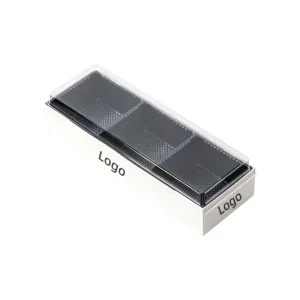
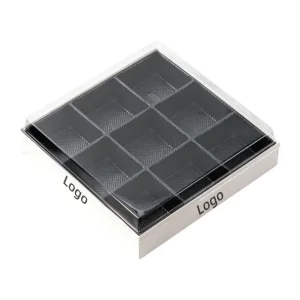
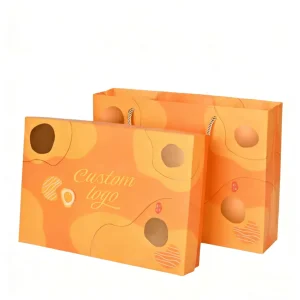
Send our structural engineering team your product specifications, target shelf dimensions, or custom design ideas. We will generate 3D CAD mock-ups and a complete freight-optimized specification plan within 48 hours.
Request Technical Consultation & Prototyping Quote