Explore our foundational structural packaging formats designed for bakery chains, gourmet treats, and high-shelf-impact retail display.
Moving Beyond Legacy Tinplate and Single-Use Plastics to High-Performance Composite Cylinders
In the evolving landscape of fast-moving consumer goods (FMCG), luxury retail, and specialty foodstuffs, Cardboard Canister Packaging—frequently categorized as rigid paper tubes, composite cans, or cylindrical paperboard containers—has escalated from a niche aesthetic choice to a dominant structural packaging architecture. Procurement directors, brand strategists, and packaging engineers worldwide are executing structural conversions from rigid metal tins and single-use plastic drums toward high-barrier composite cardboard canisters.
This comprehensive technical whitepaper, produced by senior industrial packaging engineers and supply chain directors at WTPack (Chaozhou Weiting Packaging Products Co., Ltd.), delves into the material science, manufacturing methodologies, regulatory frameworks, and economic synergies that define world-class OEM cardboard canister manufacturing. By deploying advanced multi-layer spiral winding technologies, hermetic aluminum-foil barrier inner liners, and precision-engineered end closure systems, certified Chinese packaging factories now offer global enterprises unprecedented structural integrity, cost efficiency, and carbon footprint reduction.
Understanding the Structural Innovations Reshaping Global Procurement Strategies
Global legislative mandates, including the EU’s Packaging and Packaging Waste Regulation (PPWR) and US state-level Extended Producer Responsibility (EPR) laws, are penalizing non-recyclable multi-material plastics. Modern paperboard canisters utilize bio-wax coatings, PLA (Polylactic Acid) barriers, and aqueous dispersions that facilitate 100% kerbside repulpability without compromising shelf life.
Historical paper canisters suffered from moisture ingress and oxygen permeation. Today's OEM factories integrate multi-layer laminate linings—combining food-grade virgin kraft paper, sub-micron aluminum foil, and PE/EVOH co-extrusions. This architecture achieves zero-oxygen headspace (OTR < 0.1 cc/m²/day), making composite canisters ideal for milk powders, roasted coffee beans, and sensitive botanical extracts.
Advanced OEM canister production lines now support nitrogen gas flushing directly prior to seam sealing. By fitting composite canisters with peelable aluminum Easy-Open Ends (EOE) or tinplate pull-ring membranes, brands can achieve up to 24 months of ambient shelf stability for oil-rich dry fruits, nuts, and gourmet baked goods.
| Performance Metric | Composite Cardboard Canister | Traditional Tinplate Can | Rigid PET/HDPE Container |
|---|---|---|---|
| Tare Weight Efficiency | Very Light (Low Shipping Cost) | Heavy (High Freight Surcharge) | Moderate |
| Carbon Footprint (CO2e/unit) | Lowest (~65% lower than tin) | High (Energy-intensive smelting) | High (Fossil-fuel derived) |
| Barrier Integrity (WVTR & OTR) | Excellent (With Foil Liner + EOE) | Hermetic (100%) | Moderate (Slight permeation over time) |
| Tactile / Branding Luxury | Superior (Foil Stamping, Embossing) | Moderate (Direct print limitations) | Basic (Label application only) |
| Tooling & Mould Amortization | Low (Rapid CAD Customization) | Extremely High ($15K–$50K) | High ($10K–$30K per mould) |
Unrivaled Material Integration, Precision Machinery, and Speed-to-Market
Chaozhou (Anbu Town), recognized globally as a primary epicenter for food-contact packaging, provides an integrated supply ecosystem within a 15-kilometer radius. Raw material sourcing—including high-tensile virgin kraftliner, food-grade polyethylene films, specialized adhesives, tinplate end-caps, and offset printing plates—occurs seamlessly without long-distance logistical delays.
WTPack leverages this proximity to maintain vast structural tooling libraries. By controlling the entire manufacturing workflow—from slitting raw paper rolls and multi-pass spiral tube winding to inline edge curling, metal cap seaming, and automated visual inspection—we eliminate middleman margins and pass direct factory pricing to international buyers.
Modern OEM canister production relies on continuous spiral winders equipped with infrared adhesive drying units and optical wall-thickness sensors. Our facility operates multi-station automatic forming machines, capable of maintaining inner diameter tolerances within ±0.15mm and length tolerances within ±0.3mm.
Engineering Packaging Systems for Minimum Shipping Volume and Zero Damage in Transit
Rigid cylinders are historically expensive to transport due to shipping empty air. WTPack overcomes this through engineered telescopic nesting sets—producing concentric canister sizes (e.g., 85mm, 75mm, 65mm diameters) that slide inside one another for ocean transport, effectively quadrupling the unit yield per 40HQ container load.
Transit damage destroys brand equity. Our multi-ply spiral winding process places diagonal kraft layers under high tension, achieving superior vertical stacking strength (axial crush resistance over 1,500 N). Canisters survive heavy palletization across international ocean sea freight and rough last-mile courier handling.
We accommodate both scaling growth brands and global retail giants. Standard stock tube structures with custom printed paper sleeves start at accessible MOQs of 3,000 pcs, while fully custom die-cut and bespoke diameter tooling begins at 10,000 pcs, backed by transparent tiered price points.
Certifications, Material Traceability, and Testing Frameworks for Global Import Security
Importing paper packaging into strict regulatory zones such as North America, the European Union, the United Kingdom, Japan, and the GCC requires rigid adherence to food-contact safety standards and heavy metal migration limits. WTPack operates under a documented ISO 9001 Quality Management System and provides comprehensive certification packages with every shipment batch.
Our raw paperboards, aluminum barrier foils, inner liners, and bonding adhesives undergo regular third-party laboratory testing (SGS / Intertek) to ensure full compliance with:
To support corporate ESG (Environmental, Social, and Governance) targets, WTPack offers FSC-certified kraftboard options. This guarantees that all wood pulp is sourced from responsibly managed forests that preserve biodiversity and respect local community rights.
Furthermore, all printed outer wraps utilize non-toxic, low-migration vegetable-based soy inks, preventing mineral oil hydrocarbons (MOSH/MOAH) from transferring into sensitive edible products.
Custom Canister Engineering Tailored to Product-Specific Preservation Requirements
Curled-edge composite paper canisters with grease-resistant PE interior linings preserve the crispness of butter cookies, artisan breadsticks, macaroons, and chocolate truffles while preventing oil staining on outer artwork.
Air-tight tinplate lids combined with aluminum foil body liners lock in volatile aromatic compounds and protect delicate tea leaves and roasted coffee beans against light degradation and ambient humidity.
Engineered hermetic composite cans featuring peelable aluminum membranes and plastic re-sealable over-caps maintain strict hygienic safety for dietary supplements, collagen powders, and meal replacements.
Heavyweight rigid cardboard cylinders decorated with hot foil stamping, soft-touch matte lamination, and custom interior velvet inserts provide unboxing experiences for perfumes, skincare bottles, and apparel.
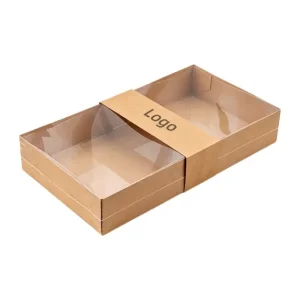
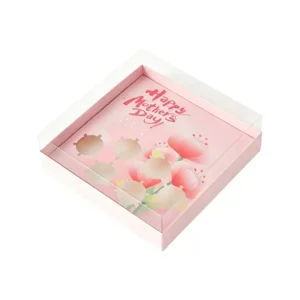
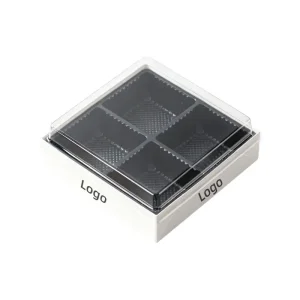
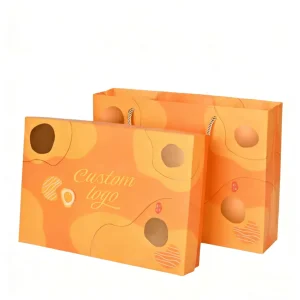
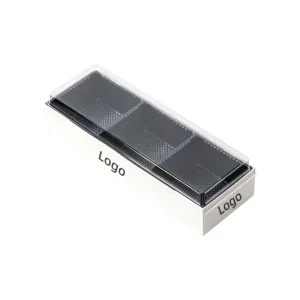
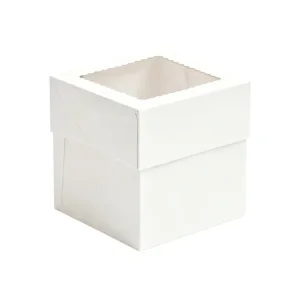
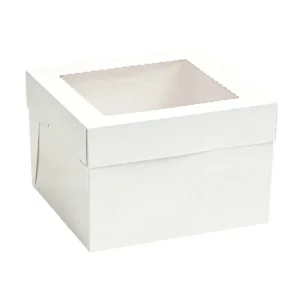
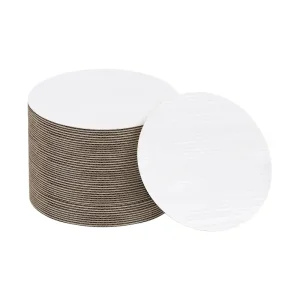
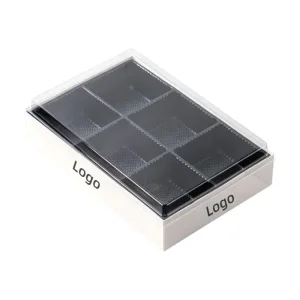
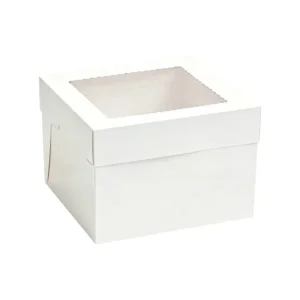
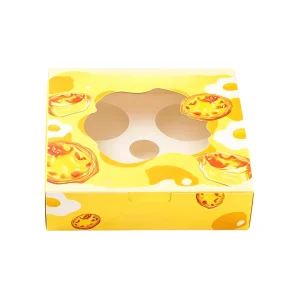
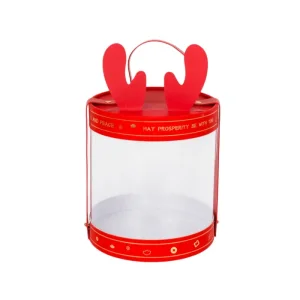
Explore additional high-demand paper boxes, cake boards, and multi-compartment containers manufactured in our Chaozhou facility.
Direct Answers from Our Technical Engineering & Export Operations Team
Our standard MOQ for stock diameter canisters with customized 4-color offset printed outer sleeves starts at 3,000 to 5,000 pieces per SKU. For fully custom dimensions requiring new metal die-cut tools or specialized tinplate end-cap tooling, the starting MOQ is 10,000 pieces per SKU. Multiple container SKUs can be consolidated within a single 20ft or 40HQ container to achieve optimal shipping economy.
We utilize multi-layer composite structures incorporating an inner lining of food-grade aluminum foil (0.006mm–0.009mm) laminated with PE or EVOH. Combined with hermetically sealed aluminum peel-off lids (Easy-Open Ends) or tinplate bottoms, this barrier achieves an extremely low Water Vapor Transmission Rate (WVTR < 0.1 g/m²/24h), safeguarding powder integrity, aroma, and crispness over extended shelf lives.
Yes. All virgin kraft papers, food-grade barrier films, water-based adhesives, and soy-based printing inks are fully certified under US FDA 21 CFR 176.170, EU Regulation 1935/2004, and German LFGB standards. Batch-specific Certificates of Analysis (CoA) and SGS migration test reports are provided with every production run.
Plain unprinted structural samples from existing tooling are dispatched within 3 to 5 working days. Printed pre-production prototypes (including custom foil stamping or matte lamination) require 7 to 10 working days. Full mass production typically completes within 15 to 25 calendar days following artwork sign-off and deposit receipt.
Rigid canisters cannot be shipped completely flat; however, our engineering team designs nested tube sets where smaller diameter canisters fit inside larger ones during ocean transit. This nested packing strategy reduces freight cubic volume by up to 35%, dramatically lowering per-unit landed costs for overseas distributors.
Absolutely. We manufacture a diverse selection of end closures, including curled paperboard caps, tinplate plug lids, plastic shaker tops, metal pull-ring aluminum lids (EOE), and biodegradable wooden plugs. Surface finishing options encompass 8-color CMYK/Pantone offset printing, hot foil stamping (gold/silver/holographic), spot UV, embossing, de-bossing, and soft-touch tactile laminations.