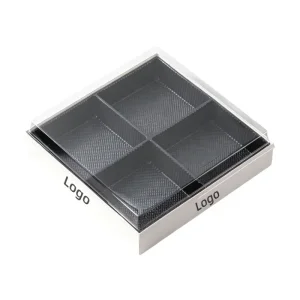
Explore our engineered food-grade containers, window display packaging, and structural enclosures custom-built in our high-capacity manufacturing center.

In the rapidly shifting landscape of global industrial packaging, the demand for true bio-based, transparent flexible barriers has evolved from a niche eco-conscious preference into an operational imperative. As an established OEM Cellophane Packaging Bags Factory, our industrial plant addresses the critical convergence of environmental sustainability mandates, stringent international food-contact safety standards, and ultra-high barrier performance engineering. Unlike petroleum-derived polyolefins such as Oriented Polypropylene (BOPP) or Polyethylene Terephthalate (PET), authentic cellophane packaging bags are manufactured from dissolved, regenerated natural cellulose derived from sustainably managed FSC-certified wood pulp and cotton linters.
The structural advantage of regenerated cellulose film (RCF) lies in its inherent crystalline molecular matrix. This unique organic architecture endows custom OEM cellophane bags with exceptional dead-fold retention, unmatched optical clarity exceeding 98% light transmission, natural static-free handling characteristics, and inherent oxygen barrier properties that synthetic plastics struggle to replicate without multi-layer co-extrusion. Modern B2B procurement heads and enterprise packaging engineers across North America, the European Union, and the Asia-Pacific region are increasingly partnering with integrated manufacturing factories to convert their flexible packaging pipelines away from single-use fossil fuel plastics into fully home-compostable and industrially degradable cellophane formulations.
Many commercial suppliers market polypropylene (BOPP) bags under the generic search moniker "cellophane." However, true industrial cellophane produced in our OEM manufacturing facilities is a 100% bio-derived carbohydrate polymer that tears cleanly without stretching, holds permanent folds without thermal memory, and degrades naturally into carbon dioxide, water, and organic biomass without leaving harmful microplastic residues.
Our state-of-the-art OEM cellophane bag conversion lines operate through a tightly controlled chemical synthesis and thermo-mechanical conversion sequence. Raw dissolving pulp undergoes alkali treatment, xanthation with carbon disulfide, and extrusion through precision slot dies into an acid-salt regeneration bath. The resulting raw bio-cellulose web is subsequently washed, desulfurized, bleached, and plasticized with food-grade polyhydric alcohols (such as glycerol or sorbitol) to impart structural flexibility and tear resistance.
Uncoated regenerated cellulose is highly permeable to water vapor. To achieve extended shelf-life capabilities for baked goods, confectionery, and dry snacks, our factory applies thin, micro-thin coatings of PVdC (Polyvinylidene Chloride), Nitrocellulose (NC), or high-barrier bio-based PVOH lacquers via precision gravure coaters. This process elevates moisture resistance by up to 300% without compromising optical transparency.
Our automated gusseted bag makers, flat pouch forming machines, and micro-perforation systems are calibrated to handle narrow thermal processing windows. By utilizing impulse heat-sealing technology combined with water-cooled anvil jaws, our OEM factory produces ultra-clean, leak-proof side fins and bottom seals capable of withstanding industrial mechanical stress during automated filling operations.
Equipped with 8-color central impression flexographic presses, our manufacturing floor prints high-resolution graphics, custom Pantone color matchings, and intricate brand elements using food-safe, water-based or electron-beam (EB) curable inks. Our process guarantees zero chemical migration, zero ink odor, and full compliance with strict Swiss Ordinance food packaging regulations.
The structural versatility of our custom OEM cellophane bags allows seamless deployment across multi-sector commercial industries. Because cellophane is naturally resistant to greases, essential oils, and aromatic compounds, it serves as the premier barrier medium for high-value organic foods, premium retail merchandise, and sensitive industrial components.
High-fat baked goods such as butter croissants, gourmet cookies, macarons, and specialty chocolates require packaging that prevents oil migration while retaining crispness. Our OEM cellophane bags offer superior grease resistance (Kit Test Rating 12) combined with high water-vapor control when coated with protective lacquers. The inherent antistatic property prevents flour dusting or cocoa powder from clinging to the interior walls of the bag, preserving pristine product visibility on retail store shelves.
Aroma containment is paramount for specialty coffee roasters and organic tea blenders. Cellophane's molecular structure provides an exceptional barrier against volatile organic compounds (VOCs) and essential oil evaporation. By utilizing metallized or high-barrier laminated cellophane bag variants, our factory delivers packaging solutions that trap rich coffee aromas inside while preventing external oxygen ingress from degrading sensitive flavor notes.
Unlike non-porous synthetic film barriers that trap excessive moisture and cause premature rotting of leafy greens or fresh herbs, un-laminated or micro-perforated cellophane bags exhibit moisture permeability that prevents steam condensation (fogging) while maintaining balanced oxygen exchange. This extends the retail shelf life of organic produce by controlling respiration rates naturally.
Artisanal soap manufacturers, luxury bath bomb producers, and cosmetic brands favor OEM cellophane bags due to their crystal-clear gloss and rigid "crisp" feel. Essential oils in handmade soaps rapidly degrade standard PE or PP bags, causing plasticizer migration and chemical softening. Authentic bio-cellophane remains completely inert when in direct contact with concentrated botanical oils and fragranced formulations.
To empower B2B procurement managers and packaging engineers with verifiable technical data, our factory testing laboratory has compiled an empirical performance benchmark comparing coated OEM Cellophane against standard polyolefin films and bioplastics.
| Technical Performance Metric | Coated OEM Cellophane (RCF) | BOPP (Standard Polypropylene) | PLA (Polylactic Acid) | Kraft Paper (Uncoated) |
|---|---|---|---|---|
| Base Raw Material Source | FSC Wood Pulp / Cellulose | Fossil Petroleum | Corn Starch / Sugarcane | Wood Fiber Pulp |
| Optical Transparency (%) | 98.5% – 99.2% | 92.0% – 95.0% | 88.0% – 91.0% | Opaque (0%) |
| Oxygen Permeability (cc/m²/24h) | 0.2 – 1.5 | 1,200 – 1,800 | 500 – 800 | Extremely High |
| Water Vapor Permeability (g/m²/24h) | 5.0 – 12.0 (PVdC coated) | 4.0 – 6.0 | 35.0 – 54.0 | Extremely High |
| Dead-Fold Retention Capacity | 100% (Permanent) | 0% (Spring-back) | 15% (Poor) | 85% (Moderate) |
| Anti-Static Electrical Property | Inherent (Zero Charge) | High Static Charge | Moderate Static | Inherent (Zero Charge) |
| Home Compostability (EN 13432) | Certified (Under 90 Days) | Non-Biodegradable | Industrial Only (>60°C) | Certified (Under 60 Days) |
Data compiled under laboratory conditions: 23°C, 50% Relative Humidity. Oxygen transmission measured in accordance with ASTM D3985; Water vapor transmission measured per ASTM E96.
Exporting flexible packaging across international borders requires absolute adherence to regional legal mandates, safety certifications, and environmental directives. As an experienced OEM Cellophane Packaging Bags Factory, our manufacturing plant operates under rigorous ISO 9001:2015 quality management protocols and ISO 22000 / BRCGS food safety management standards.
All raw cellulose films, plasticizer additives, and coating formulations utilized in our factory strictly conform to US FDA 21 CFR 177.1200 (Cellophane) and European Union Regulation (EU) No 10/2011 concerning plastic materials and articles intended to come into contact with food. Analytical testing verifies zero heavy metal contamination (Lead, Cadmium, Mercury, Hexavalent Chromium) under Coalition of Northeastern Governors (CONEG) guidelines.
Our plain, un-laminated bio-cellophane bag series carries certifications under European Standard EN 13432, International Standard ISO 14855, and American Standard ASTM D6400. Products undergo rigorous eco-toxicity testing, disintegrating by at least 90% within 12 weeks in controlled industrial composting conditions and fully mineralizing into harmless organic humus without phytotoxic residues.
With single-use plastic bans taking effect in jurisdictions such as Canada, California (SB 54), Australia, and the European Union, our cellics bio-bags serve as a future-proof legal solution. Because cellulose is an organic polysaccharide compound, broken-down fragments are digested by micro-organisms in natural soil and aquatic environments, eliminating oceanic microplastic accumulation.
Every enterprise client requires customized physical configurations to match their automated packaging equipment, retail shelf displays, and distribution storage requirements. Our factory provides an exhaustive matrix of bespoke customization options:
As a forward-looking OEM manufacturer, our R&D center actively invests in advanced materials science to overcome historical limitations of bio-based flexible films. Our technology roadmap focuses on three pivotal innovations scheduled for global commercial deployment:
1. Cellulose Nanocrystal (CNC) Barrier Coatings: By applying atomic-thin nanocellulose layers onto raw regenerated cellulose substrates, we are achieving near-zero oxygen and moisture permeability without utilizing synthetic PVdC polymers. This achieves 100% monomaterial bio-cellulose recyclability.
2. Active Antimicrobial Bio-Films: Integrating natural plant-derived polyphenols and essential oil micro-encapsulations into the cellophane coating matrix to actively suppress bacterial growth (such as Listeria and E. coli) on packaged fresh cheeses and deli meats, doubling shelf-life organically.
3. Smart QR & Traceability Integration: Laser-engraving digital watermark QR codes directly onto the cellophane surface during high-speed bag converting, enabling instant supply-chain transparency, batch verification, and consumer compost tracking via mobile devices.
Find detailed engineering answers regarding minimum order quantities, custom tooling, chemical compatibility, and international shipping logistics directly from our factory technical sales desk.
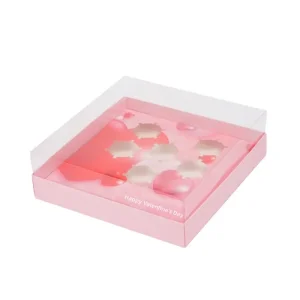
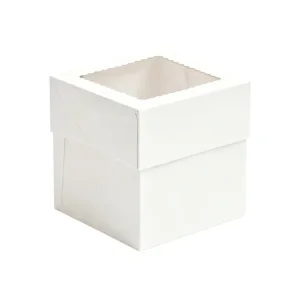
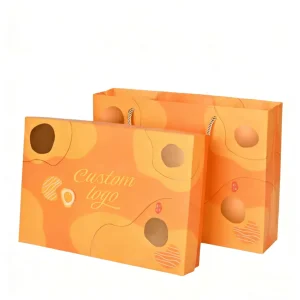
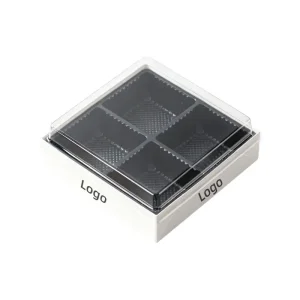
Discover our full line of specialized bakery boxes, paper-plastic tray assemblies, and clear display packaging manufactured under strict ISO quality standards.
Transform your product line with certified bio-degradable, ultra-clear cellophane flexible packaging. Contact our engineering team today to receive CAD die-lines, material sample kits, and comprehensive wholesale volume pricing.