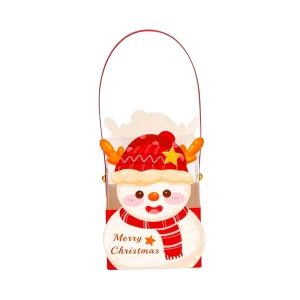
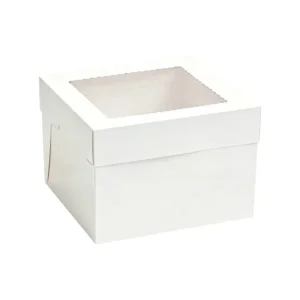
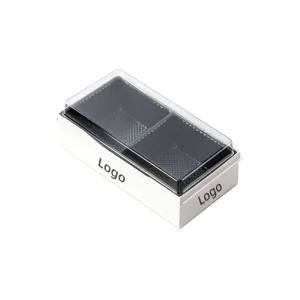
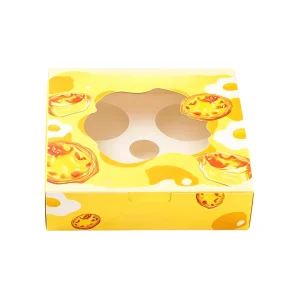
High-precision manufactured boxes, containers, and rigid structures tailored for global confectionery, bakery, and specialty dessert retail.
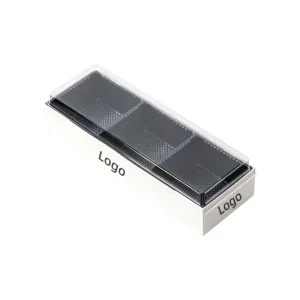
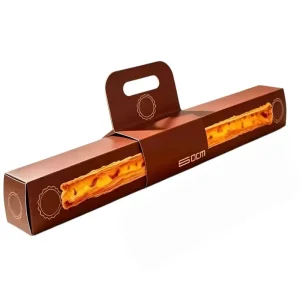
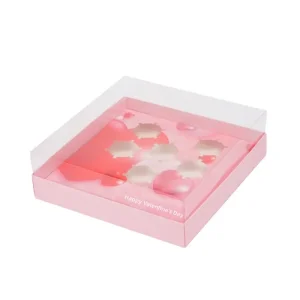
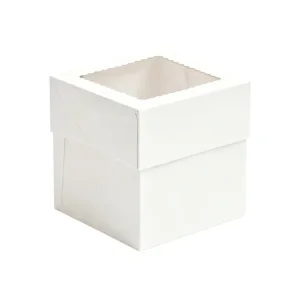
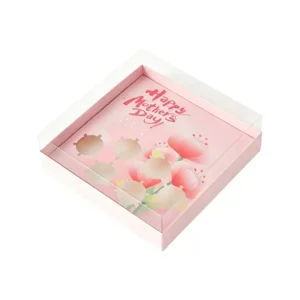
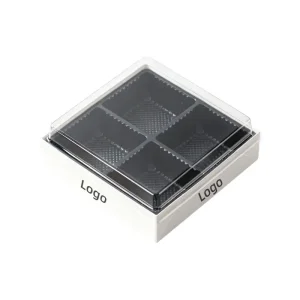
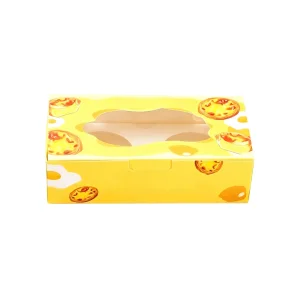
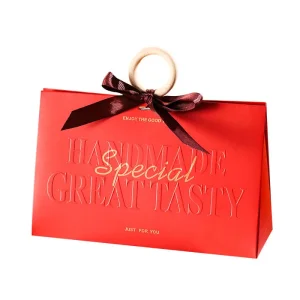
The global chocolate and confectionery packaging market is undergoing a seismic paradigm shift. Driven by changing consumer retail behaviors, intense pressure for extended shelf-life without chemical preservatives, and stringent worldwide sustainability mandates, flexible pouch packaging has emerged as the premier delivery format for world-class chocolate producers. OEM chocolate pouch packaging factories serve as the technological backbone for multinational brands, contract packagers (co-packers), and rapidly scaling artisanal chocolatiers who require custom engineering, ultra-high barrier protection, and high-speed automated machine compatibility.
Unlike rigid plastic containers or basic paperboard boxes, flexible pouches—such as stand-up pouches (Doypack), flat-bottom quad-seal bags, side-gusseted pouches, and pillow packs—provide an optimized volume-to-weight ratio. This dramatically reduces transportation carbon footprints and warehouse storage expenses while offering unparalleled visual branding real estate on retail shelves.
Core Sourcing Imperative: Chocolate is uniquely sensitive to physical environment degradation. It suffers rapidly from fat bloom, sugar bloom, lipid oxidation, and moisture absorption if exposed to water vapor, ambient oxygen, UV radiation, or volatile organic compounds. Selecting the right OEM manufacturing partner requires rigorous audit of barrier engineering, cold-seal coating capabilities, and cleanroom production compliance.
Analysis of B2B search intent, procurement criteria, and evaluation frameworks utilized by corporate packaging engineers and procurement directors.
Enterprise procurement teams prioritize low Water Vapor Transmission Rates (WVTR) and Oxygen Transmission Rates (OTR). OEM factories must demonstrate multi-layer laminates utilizing metallized PET (VMPET), Aluminum Foil (AL), or high-barrier EVOH / PVDC coatings to guarantee a 12-to-24 month shelf life under tropical humidity conditions.
Industrial co-packers require pouches and rollstock optimized for high-speed Horizontal Form-Fill-Seal (HFFS) and Vertical Form-Fill-Seal (VFFS) machinery. Strict slip-agent control (Coefficient of Friction - COF < 0.2), thermal resistance, and uniform web tension are paramount to prevent downtime.
Chocolate readily absorbs ambient odors and chemical plasticizers. OEM service providers must supply solvent-free laminations or low-residual solvent certs (< 5 mg/m²), combined with food-grade virgin resins compliant with FDA 21 CFR 177, EU No 10/2011, and Robinson Sensory Test (DIN 10955) protocols.
Decoupling flexible film structures for chocolate pouch conversion: balancing barrier protection, tactile aesthetics, heat-sensitivity, and recyclability.
Choosing the correct flexible packaging substrate is a complex engineering decision dependent on chocolate fat content, filling temperature, package geometry, and target retail region. OEM factories deploy three primary structural pathways:
| Structure Classification | Typical Film Layer Stack | WVTR / OTR Barrier Level | Primary Commercial Application | Recyclability Rating |
|---|---|---|---|---|
| Ultra High-Barrier Foil Laminate | PET / AL (7-9μ) / LLDPE or CPP | Near Zero (< 0.05 g/m² / < 0.05 cc/m²) | Premium Truffles, Cocoa Powders, Dark Chocolate Blocks | Specialized / Non-mono |
| Metallized High-Barrier (Non-Foil) | BOPP or PET / VMPET / LLDPE | Very High (< 0.5 g/m² / < 0.8 cc/m²) | Bitesize Pouch, Dragée Confections, Wafer Chocolates | Standard Technical Plastic |
| Sustainable Mono-Material (PE/PE) | MDO-PE / High-Barrier PE / LLDPE | High (< 1.0 g/m² / < 1.5 cc/m²) | Mass Market Eco Pouches, Organic Chocolate Bites | 100% Circular Recyclable (RIC 4) |
| Bio-Based / Compostable Laminate | Paper / NKME (Metallized Cellulose) / PBAT+PLA | Medium to High (< 2.0 g/m² / < 2.0 cc/m²) | Artisanal Craft Chocolate, Short-Shelf-Life Retail | Industrial / Home Compostable |
Chocolate melts at body temperature (~37°C) and softens rapidly above 24°C. Traditional heat-sealing jaws transfer thermal energy into the pouch film, risking localized melting of chocolate margins during high-speed packing. OEM factories apply patterned water-based natural rubber or synthetic latex cold-seal coatings. Seals instantly form under mechanical pressure alone without thermal input, enabling filling speeds exceeding 400 PPM (packs per minute).
For re-sealable stand-up pouches equipped with zippers, advanced thermal seal layers with low Seal Initiation Temperature (SIT starting at 85°C-90°C) are engineered into the sealant layer. Utilizing metallocene-catalyzed LLDPE allows rapid hermetic sealing without thermal bleed into the internal pouch cavity.
From artwork prepress color separation to high-speed pouch conversion: End-to-end manufacturing workflow for corporate purchasers.
Precision printing technologies achieving photo-realistic graphics, soft-touch matte lacquers, metallic accents, and registered spot UV finishes. Advanced automatic inline registration control system guarantees color consistency across massive production volumes within ΔE < 1.5.
High-efficiency solventless lamination machinery eliminates volatile solvent residues. Precise adhesive coat-weight application prevents delamination during pouch conversion, while humidity-controlled curing rooms accelerate bond strength development.
Fully automated conversion lines for Stand-Up Pouches (Doypack), Flat-Bottom (Box Pouches), Press-to-Close Zippers, Pocket Zippers, Tear Notches, Ergonomic Punch Handles, and Micro-Perforated Laser Scoring for clean opening.
Every OEM batch undergoes rigorous automated machine vision inspection for print defects, followed by laboratory physical testing: Tensile Strength (ASTM D882), Seal Strength (ASTM F88), Burst Pressure Test (ASTM F1140), Solvent Retention GC Analysis (ASTM F1884), and Optical Density Measurement for metallized layers.
Navigating international food packaging regulations, regional market preferences, and circular economy transition strategies.
Exporting to North America, the European Union, the GCC region, or Asia-Pacific requires strict adherence to localized food contact norms. Professional OEM services supply comprehensive compliance dossiers including:
Global brands must comply with extended producer responsibility (EPR) regulations and plastic packaging taxes (such as the UK Plastic Packaging Tax and EU Single-Use Plastics Directive). OEM factories are leading the development of:
Expert insights addressing critical technical inquiries from brand managers, packaging engineers, and supply chain executives.
Chocolate contains delicate lipids that absorb ambient volatile organic compounds (VOCs). OEM factories utilize low-retention printing inks, 100% solvent-free laminating adhesives, and high-barrier inner sealant films (such as EVOH or aluminum foil). Furthermore, finished pouches undergo Gas Chromatography (GC) residual solvent testing to verify total residual solvents remain below 5 mg/m², ensuring zero organoleptic transfer during extended storage.
For rotogravure-printed custom pouches requiring dedicated cylinders, standard production MOQs typically start at 10,000 to 20,000 units per SKU, depending on pouch dimensions. For smaller trial runs, product launches, or seasonal private label SKUs, OEM facilities equipped with state-of-the-art digital printing presses can offer MOQs as low as 1,000 to 3,000 units without cylinder tooling fees.
Fat bloom occurs when cocoa butter melts and recrystallizes on the surface due to temperature fluctuations, while sugar bloom occurs when moisture dissolves sugar crystals. To prevent moisture uptake, a Water Vapor Transmission Rate (WVTR) of less than 0.5 g/m²/24hrs (preferably < 0.1 g/m²/24hrs for tropical export) is mandatory. For dark chocolate rich in cocoa fats, Oxygen Transmission Rate (OTR) must be maintained below 1.0 cc/m²/24hrs/atm to avoid rancidity.
High-speed horizontal flow wrapping (HFFS) of chocolate bars operates at speeds exceeding 300 to 500 wraps per minute. Thermal heat-sealing jaws radiate heat that can instantly bloom or deform heat-sensitive chocolate margins. Cold-seal coatings—applied via precise gravure pattern during converting—bond immediately upon contact pressure alone, completely isolating the sensitive chocolate from thermal degradation.
Yes. Recent advancements in MDO-PE (Machine Direction Oriented Polyethylene) films combined with vacuum-deposited AlOx (Aluminum Oxide) or high-density EVOH barrier layers allow mono-material PE/PE or PP/PP structures to achieve barrier performance near equal to foil laminates (< 0.5 g/m² WVTR and OTR). These structures qualify for standard Store Drop-off and curbside recycling streams (RIC 4 / RIC 5) worldwide.
Standard lead times for new OEM pouch projects include: Pre-press & artwork proofing (3-5 days), Cylinder engraving/tooling (7-10 days), Film extrusion, printing, lamination, curing, and pouch conversion (14-20 days). Total factory production typically takes 25 to 30 days post-sample approval. Global ocean shipping times vary by destination port (US West Coast: 14-18 days; Europe: 25-35 days; Middle East: 15-20 days).
Advanced food-grade cake drums, boards, compartment containers, and festive gift packaging structures engineered for international distribution.