Precision thermoformed and custom-printed food packaging engineered for global export markets.
Analyzing market size trajectories, polymer shifts, and consumer purchase behaviors shaping wholesale packaging procurement.
The global commercial market for rigid clear plastic containers for baked goods has transitioned from standard utility protection into a sophisticated retail merchandising tool. Driven by the expansion of modern supermarket bakery chains, automated takeaway logistics, and premium artisanal dessert boutiques, clear plastic packaging is now evaluated as a core revenue driver rather than a secondary operating expense. In 2024, the global food-grade thermoformed plastic packaging market expanded beyond USD 42 Billion, with bakery and confectionery applications representing over 32% of total volume demand.
Visual clarity acts as the primary psychological trigger in retail purchasing decisions. Empirical consumer studies indicate that over 82% of impulse bakery buys are directly driven by product visibility. Clear Amorphous Polyethylene Terephthalate (APET) and Polypropylene (PP) clamshells, hinged containers, and multi-compartment bases allow consumers to assess product freshness, icing integrity, and crumb structure without compromising seal hygiene.
Furthermore, structural demands on clear packaging have intensified due to cold-chain storage and long-distance delivery logistics. Modern B2B procurement directors require rigid containers that provide exceptional top-load stackability, anti-fog surface treatments, low-temperature impact resistance, and hermetic snap-locks to extend shelf life while maintaining food safety integrity.
Why Tier-1 global packaging brands and regional distributors partner with specialized Chinese manufacturing hubs like Chaozhou.
China remains the undisputed epicenter of precision thermoforming and integrated paper-plastic packaging manufacturing. The industrial cluster in Anbu Town, Chaozhou (Guangdong Province), hosts an end-to-end supply chain infrastructure that seamlessly combines polymer extrusion, high-speed mold CNC machining, automatic multi-station thermoforming, and multi-color offset printing under single manufacturing complexes like Chaozhou Weiting Packaging (WTPack).
In-house CNC mold engineering reduces custom die-cutting and blister tooling development lead times from the industry average of 30 days down to 7–10 days, cutting initial tooling investments by up to 60%.
State-of-the-art Mengxing thermoformers and Zhongbo automatic die-cutters achieve tight wall-thickness tolerances (±0.02mm), preventing buckling under heavy stacking while ensuring precise lid-to-base snap fits.
Structural engineers optimize container draft angles to maximize nesting density, reducing containerized freight volume by up to 35% and saving thousands of dollars per 40ft HQ export shipment.
| Manufacturing Vector | Traditional Overseas Factories | WTPack China OEM Factory | Procurement Benefit |
|---|---|---|---|
| Custom Tooling Cost | $3,500 – $8,000 per SKU | $800 – $2,200 per SKU | Saves up to 70% CAPEX on new launches |
| Sample Production Lead Time | 14 – 21 Days | 3 – 7 Days | Accelerates Time-to-Market (TTM) |
| Material Thickness Consistency | ±0.05 mm variance | ±0.02 mm high-precision extrusion | Eliminates structural crushing during transport |
| MOQ Flexibility | 50,000+ units strict MOQ | 3,000 – 10,000 units per SKU | Lowers inventory holding risks |
Matching polymer properties with specific food product profiles for optimal shelf life and structural integrity.
Selecting the optimal clear plastic container requires aligning food chemical properties (fat content, moisture level, temperature sensitivity) with polymer mechanical traits. Below are the primary application domains served by custom OEM clear plastic bakery packaging:
Primary Products: Swiss rolls, cream puffs, mousse cakes, fruit tarts, croissants.
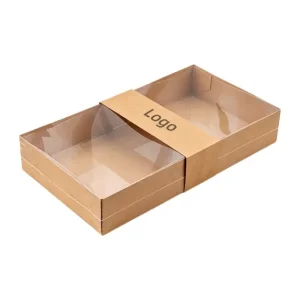
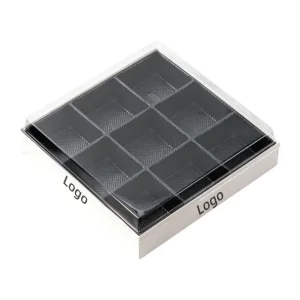
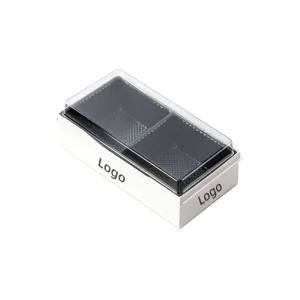
Engineering Needs: High-clarity PET clear domes paired with grease-resistant virgin paperboard bases. Snap-lock side tabs prevent air infiltration, preserving crust crispness and soft cake moisture.
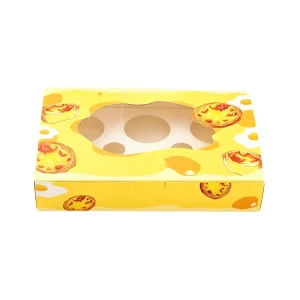
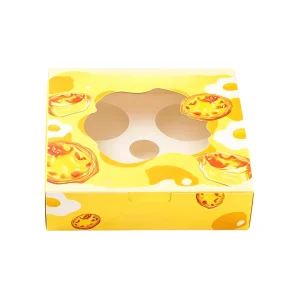
Primary Products: Cut fruit platters, egg tarts, multi-compartment dessert samplers.
Engineering Needs: Anti-fog surfactant coatings on PET lids to prevent condensation buildup in refrigerated display cases (2°C – 6°C), maintaining clear product visibility.
Primary Products: Individual cake slices, sushi rolls, takeaway snack platters.
Engineering Needs: Reinforced corner ribbing to sustain vertical stack pressure during scooter/car delivery, paired with tamper-evident perimeter seals.
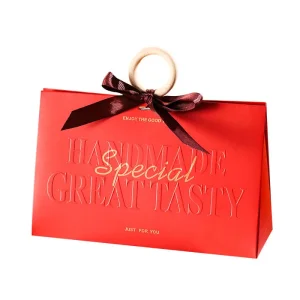
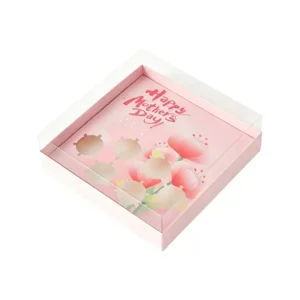
Primary Products: Mother’s Day treat boxes, holiday cookies, chocolate pralines.
Engineering Needs: Hybrid packaging featuring gold/silver foil-stamped outer paper shells, ribbon attachments, and custom thermoformed internal PET divider inserts.
| Material Code | Optical Clarity | Temp Tolerance | Recyclability | Best Application Use |
|---|---|---|---|---|
| APET (Amorphous PET) | 92% (Glass-like) | -20°C to +60°C | 100% (RIC #1) | Cakes, tarts, cold desserts, bakery domes |
| rPET (Post-Consumer PET) | 88% – 90% | -20°C to +60°C | 100% (RIC #1) | Eco-conscious retail chains & EU/US markets |
| PP (Polypropylene) | Translucent (75%) | -10°C to +120°C | 100% (RIC #5) | Microwavable baked goods & hot pastries |
| Paper + PET Composite | High Top Visibility | -10°C to +80°C | Separable Stream | Artisanal bakery boxes & premium gift sets |
Navigating food safety standards, circular economy mandates, and smart packaging innovations.
Global food packaging importers face stringent regulatory environments. OEM suppliers must provide fully traceable, batch-level compliance documentation. WTPack products undergo rigorous third-party testing (SGS, TÜV Rheinland) to meet international food-contact mandates:
Guarantees that PET polymers and additives are free from phthalates, heavy metals, and harmful migrating substances for direct contact with fatty and aqueous foods in the United States.
Validates Overall Migration Limits (OML) and Specific Migration Limits (SML) across European markets, supporting traceability from resin pellet to finished carton.
To align with European Single-Use Plastics Directives and US state recycled-content mandates, OEM production lines now support up to 50%–100% Post-Consumer Recycled (rPET) sheet integration without compromising tensile strength or clarity.
Key technological trends reshaping the industry include De-nesting Design Features (preventing vacuum locking during automated high-speed bakery packing lines) and Smart QR Code Embossing for inventory tracking and consumer freshness verification.
A practical roadmap for procurement managers evaluating OEM clear plastic packaging suppliers.
When sourcing custom clear plastic containers internationally, evaluating unit price alone often leads to hidden costs in freight, damage rates, and customs delays. Professional procurement teams utilize a Total Cost of Ownership (TCO) evaluation model:
Evaluate whether the OEM factory owns the mold library or outsources to third parties. Direct factory ownership eliminates recurring royalty fees and simplifies custom modifications.
Ensure containers are designed with stacking lugs that prevent jamming while maximizing carton unit counts. High nesting ratios can reduce ocean freight costs per unit by 15% to 30%.
Verify that the manufacturer implements automated vision-inspection systems to check for rim deformities, black spot contamination, and inconsistent snap locks before palletization.
Direct technical and commercial answers for packaging buyers, importers, and brand managers.
Explore our extended series of food-grade packaging engineered for high-volume bakery operations.