Precision-engineered food-grade structures manufactured under ISO 22000 & BRCGS standards for premium bakery, gift, and fresh food applications.
The commercial flexible food packaging sector is undergoing its most profound structural realignment in six decades. Driven by strict international decarbonization mandates, corporate ESG commitments, and rapidly evolving consumer preferences, multinational food brands, supermarket operators, and industrial bakeries are moving away from fossil-based multi-layer barrier films toward certified compostable bag solutions.
Legislative frameworks such as the European Union’s Packaging and Packaging Waste Regulation (PPWR), California's Senate Bill 54 (SB 54), and nationwide single-use plastic bans across Australasia have transformed compostable packaging from a niche marketing differentiator into an operational necessity. Compliance requires verified degradation profiles without toxic chemical residue or microplastic persistence.
Historically, eco-friendly flexible films suffered from high Water Vapor Transmission Rates (WVTR) and poor Oxygen Transmission Rates (OTR). Modern OEM bio-polymer synthesis bridges this performance gap, providing shelf-life stability comparable to traditional PET/PE laminates while maintaining zero-fossil footprint targets.
Global food distributors demand seamless compatibility with automated Form-Fill-Seal (FFS) packaging lines. Leading OEM manufacturers now engineer custom compostable films engineered for precise heat-sealing window temperatures, anti-static properties, and high tensile strength to prevent line drag or seal failure.
Achieving optimal food preservation requires rigorous bio-polymer selection. Our custom OEM manufacturing facilities utilize proprietary masterbatch formulations combining Polylactic Acid (PLA), Polybutylene Adipate Terephthalate (PBAT), Polyhydroxyalkanoates (PHA), and regenerated cellulose.
| Polymer Blend Family | Primary Raw Source | WVTR (g/m²·24h) | OTR (cm³/m²·24h·atm) | Thermal Seal Window | Primary Food Applications | Standard Certifications |
|---|---|---|---|---|---|---|
| PBAT + Modified PLA | Corn Starch & Plant Sugars | 15 – 25 | 40 – 80 | 110°C – 140°C | Bakery bags, produce bags, dry food liners | EN 13432 / BPI Certified |
| High-Barrier PHA Blend | Bacterial Fermentation | 2.0 – 5.0 | 1.5 – 5.0 | 120°C – 155°C | Coffee pouches, nuts, high-fat snacks, meat trays | OK Compost HOME / ASTM D6400 |
| Bio-Cellulose / Metallized Paper | FSC-Certified Wood Pulp | 1.0 – 3.0 | 0.5 – 2.0 | 130°C – 165°C | Gourmet chocolates, organic tea, spice pouches | TÜV Austria Industrial & Home |
| Starch-Based Thermoplastic (TPS) | Renewable Potato/Cassava Starch | 35 – 50 | 120 – 200 | 95°C – 120°C | Short-shelf confectionery, fast-food bags | EN 13432 / ABA Home Compostable |
Unmodified PLA films typically exhibit brittle mechanical properties and poor moisture resistance. By co-extruding a triple-layer structure (PBAT core flanked by PHA bio-skin layers), our factory achieves a 70% reduction in moisture permeability while boosting tear propagation resistance across both Machine Direction (MD) and Transverse Direction (TD).
Different geographical markets operate under localized supply chain dynamics, climatic challenges, and organic waste recovery infrastructures. We engineer tailored packaging structures for specific regional operational environments.
Targeted for high-volume grocery chains requiring BPI-certified compostable produce bags and pre-packaged bakery pouches. Formulations are tuned for anti-fog clarity in refrigerated display cases and robust heat sealing on high-speed automatic bagging machinery.
Designed for compliance with strict EN 13432 standards. Features OK Compost HOME certification for direct municipal bio-waste bin disposal alongside food scraps. Incorporates paper-look matte bio-coatings and non-toxic, water-based flexographic inks.
Engineered with enhanced hydro-phobic PHA barrier skins tailored to resist ambient humidity above 85% RH in tropical climates without premature structural degradation during transportation and last-mile delivery.
From raw resin compound blending to 10-colour flexographic printing and pouch converting, our full-stack manufacturing facilities deliver complete end-to-end quality control.
In-house compounding of PLA, PBAT, and mineral micro-fillers to tune melt flow index (MFI), density, and puncture resistance based on final food weight and sharpness requirements.
State-of-the-art 3-layer and 5-layer blown film extrusion lines with automatic gauge control ensuring uniform film thickness tolerances within ±1.5 microns across the entire web.
High-definition water-based ink printing free of VOCs and heavy metals, followed by precise pouch converting for stand-up pouches, side-gusset bags, flat-bottom coffee bags, and perforated rolls.
True circular packaging requires evaluating carbon intensity from origin to disposal. Certified compostable bags solve the critical issue of organic waste contamination, allowing food residues and packaging to be processed together in unified bio-digestion streams.
Traditional PET/PE flexible pouches end up in landfills or incineration facilities, persisting for centuries or generating fossil carbon emissions. A certified bio-based compostable bag structure reduces cradle-to-gate carbon footprint by up to 48% while yielding nutrient-rich organic soil humus when processed in municipal composting facilities.
Everything procurement managers, packaging engineers, and enterprise brand managers need to know regarding OEM compostable food packaging manufacturing.
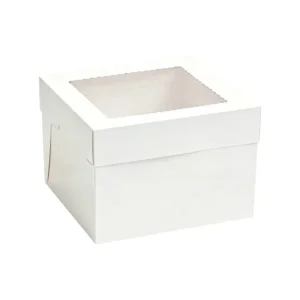
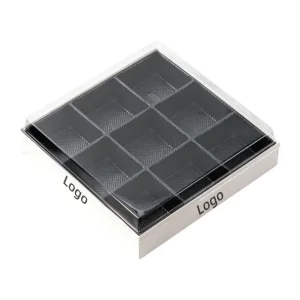
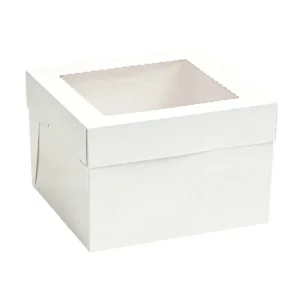
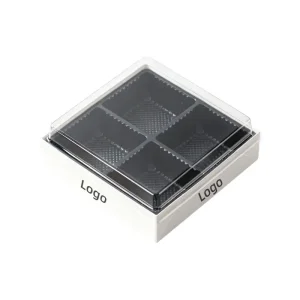
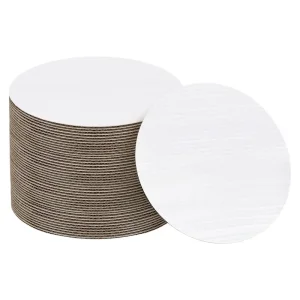
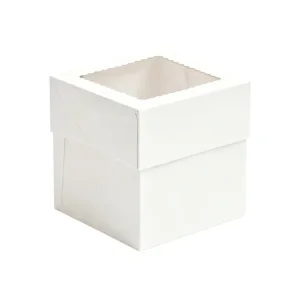
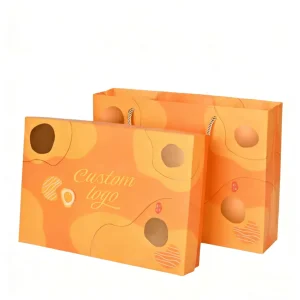
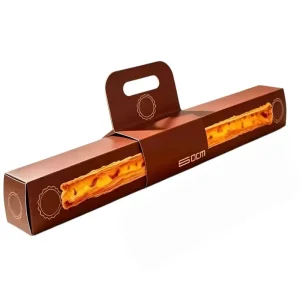
Versatile container options, window boxes, and custom food display solutions for global B2B procurement.
The future of sustainable flexible packaging lies in bio-based advanced materials that overcome historic barrier limitations while expanding circular disposal compatibility.
Next-gen Polyhydroxyalkanoates synthesized by bacterial fermentation offer natural disintegration even in ocean environments within 180 days, eliminating marine plastic pollution risks.
Ultra-thin crystalline nanocellulose (CNC) coatings applied via atomic layer deposition deliver glass-like oxygen barriers without impairing full home compostability.
Compostable freshness indicators embedded into film matrix change color based on atmospheric gas changes inside the package, alerting consumers to optimal peak freshness.
Scale your sustainable packaging initiatives with custom engineering, proven barrier materials, and competitive factory-direct wholesale pricing.
Request Custom Quotation & Technical Dossier