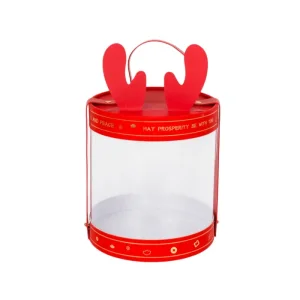
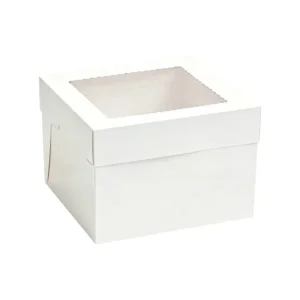
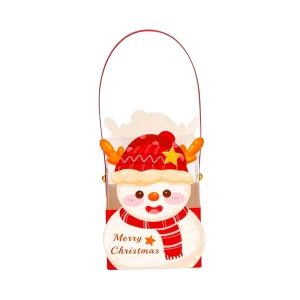
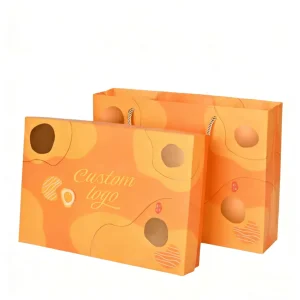
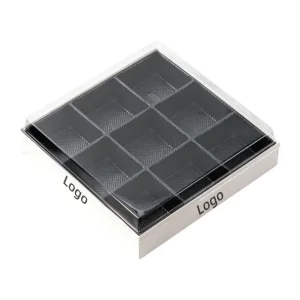
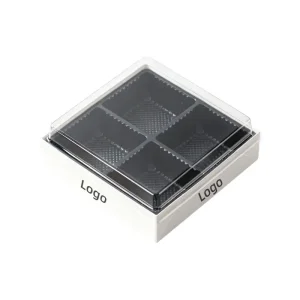
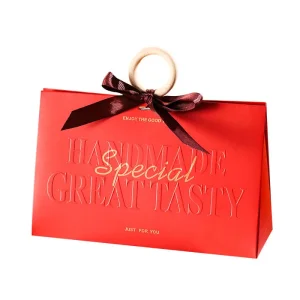
Explore our certified commercial bakery bases, windowed boxes, and eco-friendly packaging components designed for sustainable food retail and global distribution.
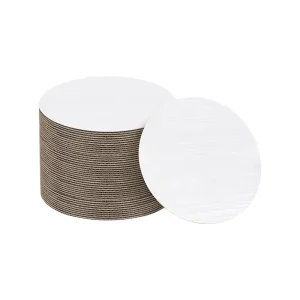
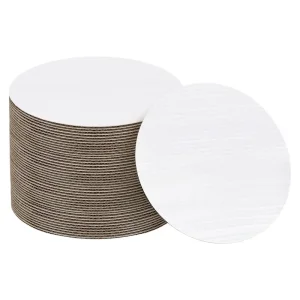
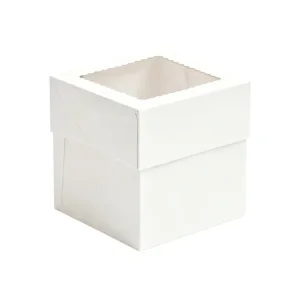
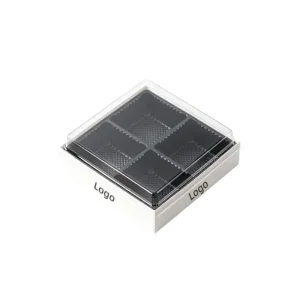
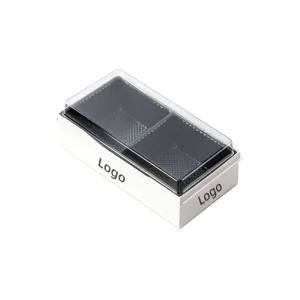
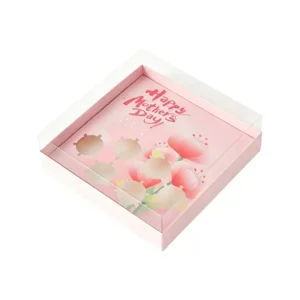
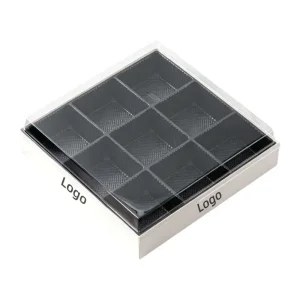
As legislative mandates enforce the systemic phase-out of traditional single-use polyethylene (PE) and polypropylene (PP) films, global procurement leaders are shifting toward engineered biopolymers that meet strict international composting standards.
Enforcement of the EU Single-Use Plastics Directive (SUPD), California's SB 54, and Australia's National Plastics Plan has redefined global packaging specs. Corporate compliance requires verifiable zero-toxicity degradation without microplastic accumulation.
The global market for compostable bags and flexible films is projected to exceed USD 14.2 Billion by 2030. Key growth drivers include fresh produce protection, e-commerce mailing bags, industrial food waste collection, and luxury retail packaging.
Global buyers can no longer rely on unverified "biodegradable" claims. Commercial acceptance hinges upon rigorous certifications such as EN 13432 (Europe), ASTM D6400 (North America), and TÜV OK Compost Home.
Unlike standard poly bags, industrial-grade compostable bags utilize complex ternary polymer matrices—blending Polylactic Acid (PLA), Polybutylene Adipate Terephthalate (PBAT), and Polyhydroxyalkanoates (PHA) with thermoplastic starches (TPS) to balance tensile strength with rapid biodegradation.
| Material Matrix Classification | Tensile Strength (MD/TD) | Elongation at Break | OTR / MVTR Barrier Rating | Composting Degradation Profile | Primary Industrial Applications |
|---|---|---|---|---|---|
| PBAT + Modified Starch (TPS) | 22 / 18 MPa | > 450% | Moderate / High Permeability | Home & Industrial (<90 days) | Fresh Produce, Organic Waste Liners, T-Shirt Shopping Bags |
| PLA + PBAT Binary Alloy | 35 / 30 MPa | 300 - 380% | Balanced Gas/Moisture Barrier | Industrial Composting EN 13432 (<180 days) | E-commerce Mailers, Apparel Bags, Sealed Retail Packaging |
| PHA + Bio-PLA Advanced Blend | 42 / 38 MPa | 250 - 320% | High Barrier (Oxygen & Grease) | Marine & Soil Degradable (<120 days) | Coffee Bags, Dry Food Pouches, High-Fat Bakery Products |
| Kraft Paper + PLA Lamination | 55 / 45 MPa | N/A (Rigid Flex) | Superior Moisture & Aroma Barrier | Industrial Composting (<180 days) | Windowed Bakery Boxes, Coffee Beans, Stand-Up Pouches |
Microbial enzymatic hydrolysis converts biopolymer chains into water (H₂O), carbon dioxide (CO₂), and nutrient-rich biomass. Under controlled municipal composting environments (58°C ± 2°C with high humidity), the degradation process leaves zero chemical residue or synthetic polymers in the resulting compost soil.
A primary challenge in compostable packaging has historically been moisture barrier capability. Through proprietary nano-clay reinforcement and co-extrusion technology, our OEM factory achieves Water Vapor Transmission Rates (WVTR) as low as < 15 g/m²/24h, extending food shelf life significantly.
As a direct manufacturer based in China's premier packaging production hub, our 10,000+ m² facility combines raw biopolymer compounding, multi-layer blown film extrusion, precise gravure/flexo printing, and automated conversion under one unified quality management system.
We do not simply melt third-party pellets. We operate dedicated biopolymer modification lines, blending PBAT, PLA, and functional additives in-house to tailor flexibility, opacity, slip coefficient, and tensile performance precisely to client specifications.
Solvent-based inks compromise compostability certifications. Our factory utilizes 100% water-based, heavy-metal-free ink formulations capable of high-definition 8-color printing while maintaining strict compliance with OK Compost ink standards.
Fully automated bag-making machines (side-seal, bottom-seal, zipper insert, handle punch) deliver output capacities exceeding 2,000,000 bags daily—drastically reducing unit labor costs and guaranteeing rapid lead times for high-volume enterprise buyers.
Engineered biopolymer bags serve diverse industrial sectors. Our technical team tailors thickness (from 15 to 100+ microns), barrier levels, sealing strengths, and tactile finishes based on operational environments.
Required Characteristics: High breathability, anti-fog performance, high puncture resistance against sharp stems.
Solution: Micro-perforated PBAT + TPS bags that balance ethylene dispersion and moisture evaporation, extending fruit and vegetable shelf life by up to 4 days.
Required Characteristics: High tensile strength, tear resistance, tamper-evident permanent adhesive seal, 100% opacity.
Solution: Co-extruded 60-80 micron PLA/PBAT bi-layer mailers featuring reinforced side seams and high-bond bio-adhesive strips capable of withstanding rough handling.
Required Characteristics: Grease resistance, oil barrier, direct food-contact safety compliance (FDA / EU 10/2011).
Solution: Greaseproof bio-coated paper bags, transparent PLA pastry sleeves, and heat-sealable sandwich bags engineered to prevent oil leakage.
Required Characteristics: Crystal clarity or luxury matte finish, anti-static coating, re-sealable zipper options.
Solution: Soft-touch PLA/PBAT garment bags with self-adhesive release strips and ventilation punch-holes tailored for worldwide apparel brands.
When qualifying a China-based compostable bag OEM manufacturer, procurement directors must evaluate critical operational metrics beyond simple FOB pricing.
Verify that your supplier holds valid TÜV Austria (OK Compost Industrial / Home), DIN CERTCO, or BPI certificates linked directly to the specific resin formulations used in your order. Generic or expired certificates expose brands to legal liabilities.
Compostable bags naturally degrade under environmental exposure. A professional factory provides technical guidance on shelf-life guarantees (typically 12 to 18 months under controlled storage at <30°C and <60% RH) and utilizes UV-blocking export outer packaging.
While customized film blowing requires initial setup volumes (typically 300kg - 500kg of resin equivalent to 30,000–50,000 small bags), established factories offer standardized sizes with low MOQs (from 5,000 pcs) for market validation.
The next decade will mark a transition from standard biodegradable materials to intelligent, high-barrier bio-nanocomposites and ocean-safe microbial polymers.
Synthesized directly by bacterial fermentation of organic waste or vegetable oils, PHA polymers degrade naturally in ambient soil and marine water without requiring industrial composting conditions. Mass production scaling will reduce cost parity with PLA/PBAT blends by 2027.
Integration of natural plant-derived essential oils (e.g., thymol, carvacrol) into compostable film matrices provides active antimicrobial barrier properties, inhibiting fungal growth on bakery goods and fresh meats while remaining fully compostable.
Leading municipal waste systems are combining compostable food bags directly with organic food waste collection. The bag and its contents are processed together in industrial anaerobic digestion and composting plants, generating bio-fertilizer and renewable biogas.
Technical clarity on certifications, material shelf-life, printing options, and factory production workflows for commercial procurement officers.
"Biodegradable" is a broad, unregulated term meaning an item breaks down eventually, but it gives no timeline or toxicity guarantee. "Certified Compostable" (under EN 13432 or ASTM D6400) proves via rigorous lab testing that the bag breaks down completely into water, CO₂, and biomass within 180 days in a composting environment, leaving zero toxic microplastics or heavy metal residues.
No. Compostable biopolymers require active microbial environments, humidity, and elevated temperatures (typically present in compost piles) to initiate enzymatic breakdown. When stored in a cool, dry warehouse (<30°C, away from direct sunlight), high-quality PLA/PBAT bags maintain full structural integrity and tensile strength for 12 to 18 months.
Yes. Our OEM factory provides up to 8-color high-definition custom flexo and gravure printing using specialized non-toxic, water-based, heavy-metal-free inks. All inks and masterbatches utilized meet international composting standards to ensure the finished printed bag retains its certification.
For custom-printed bags requiring bespoke film extrusion, our MOQ is typically 30,000 to 50,000 pieces (or ~500kg of resin equivalent). Standard stock biopolymer bags with customized overprinting start from 5,000 to 10,000 pieces. Pre-production samples take 7–10 days, and full mass production is completed within 15–25 business days.
Absolutely. Our biopolymer formulations comply fully with US FDA 21 CFR 177.1630 and EU Commission Regulation (EU) No 10/2011 for direct food contact. We provide batch-level compliance documentation, heavy metal analysis, and migration test reports alongside every export shipment.
Discover our extended line of custom bakery packaging, festive treatment boxes, fruit platters, and ribbon-tied gift solutions crafted in our China manufacturing plant.