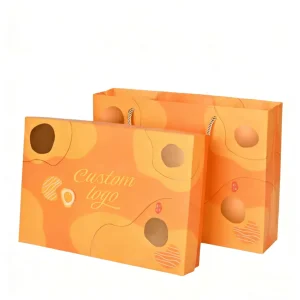
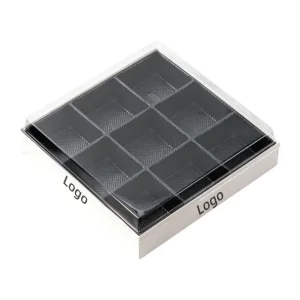
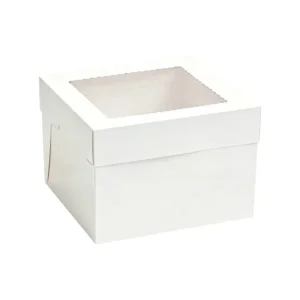
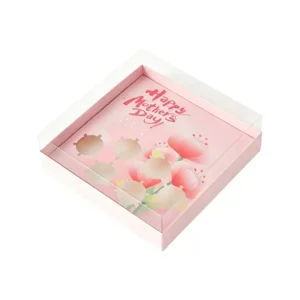
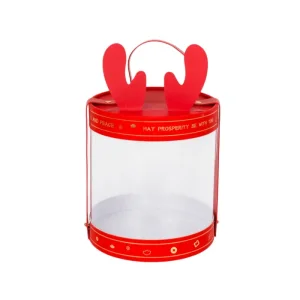
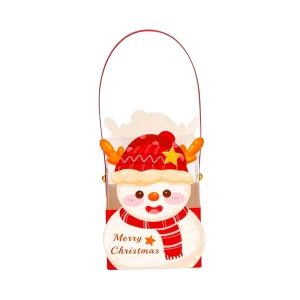
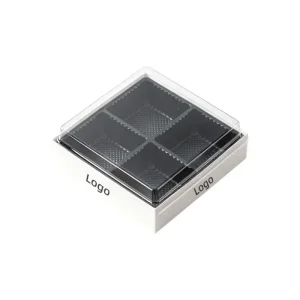
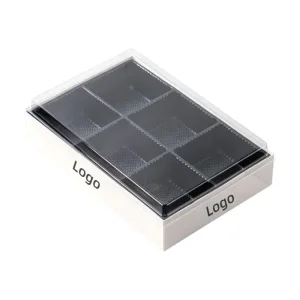
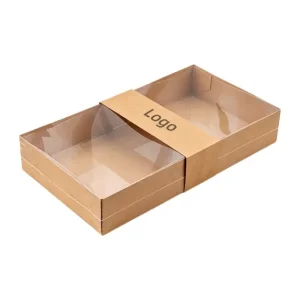
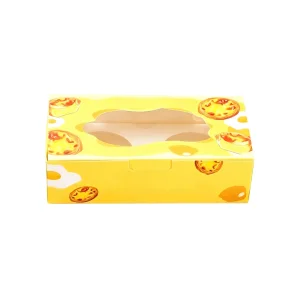
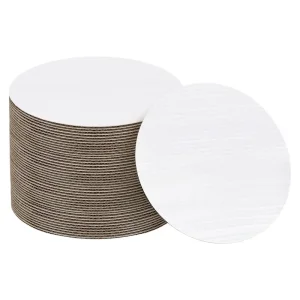
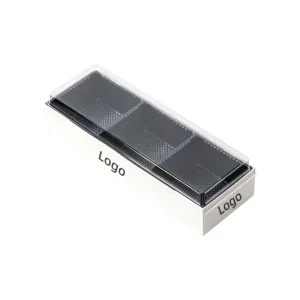
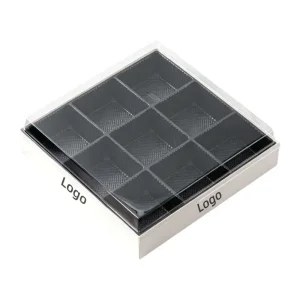
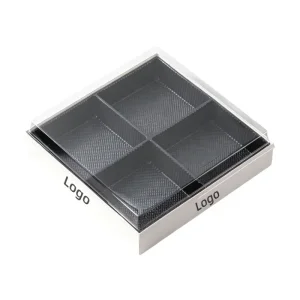
Explore our top-tier paperboard structural configurations integrated with high-clarity PET windows engineered for global bakery, confectionery, and catering operations.
Analyzing consumer behavior, retail conversion physics, and the polymer engineering driving visual presentation in modern food supply chains.
Over 74% of point-of-sale purchasing decisions in artisan bakery and ready-to-eat sectors are driven by visual verification. Incorporating ultra-clear Polyethylene Terephthalate (PET) windows allows real-time consumer inspection of product freshness, texture, and artistic decoration without breaching seal integrity.
Unlike legacy Cellulose Acetate or Polyvinyl Chloride (PVC) films, food-grade PET offers exceptional tensile strength, optical clarity (>92% light transmission), superior puncture resistance, and complete chemical inertness under variable humidity and temperature conditions.
Modern high-volume manufacturing demands continuous-motion window patchers capable of applying PET film from 0.025mm to 0.15mm thickness at speeds exceeding 18,000 units per hour, with positioning tolerance held strictly under ±0.5mm.
In high-humidity environments or cold-chain display cases, lower-grade window patching adhesives suffer from water-vapor softening, leading to window delamination. Premium OEM manufacturers utilize hybrid water-based polyurethane or UV-curable food-grade adhesives optimized for low-temperature elasticity and grease barrier protection.
How advanced material science, automation, and circular economics are reshaping OEM/ODM packaging production globally.
With aggressive global legislation targetting single-use virgin plastics, OEM production is pivoting toward Post-Consumer Recycled PET (rPET) featuring up to 50% recycled content without sacrificing structural rigidity or optical light transmission.
Micro-surfactant anti-fog coatings prevent water droplet condensation on interior window surfaces when shifting from refrigerated display units (+4°C) to ambient retail zones (+22°C), preserving 100% product visibility.
Automated box die-line generation allows rapid prototyping within 24 hours. Stress-testing algorithms calculate precise BCT (Box Compression Test) values, ensuring multi-tiered stacking without window distortion.
Selecting the optimal paperboard substrate and PET film gauge based on environmental variables and food logistics demands.
| Application Scenario | Paperboard Substrate | PET Window Thickness | Key Performance Attribute | Compliance Standard |
|---|---|---|---|---|
| Artisan Bakery & Cake Display | 300-350 gsm Virgin SBS White Board | 0.12mm - 0.25mm Rigid PET | High BCT Stacking Strength, Anti-Crease Clear Top | FDA 21 CFR 177.1630 / LFGB |
| Chilled Deli & Fruit Platters | Kraft Board with PE/Bio Lamination | 0.03mm - 0.05mm Anti-Fog PET Film | Moisture Resistance, Fog-Free Refrigerated Display | EU Regulation No 10/2011 |
| Luxury Confectionery & Cookies | 350-400 gsm Metallic Foil Stamped Board | 0.20mm - 0.35mm Ultra-Clear PET | Rigid Tactile Frame, High Gloss Surface Optical Purity | ISO 22000 / HACCP |
| High-Volume Takeaway Platters | Corrugated E-Flute / Micro-Flute Board | 0.15mm Interlocking Window Sheet | Structural Crush Resistance, Thermal Insulation | SGS Food Contact Grade |
From traditional rectangular viewports to multi-faceted panoramic windows spanning top-and-side folds, OEM manufacturing allows tailored window geometry that aligns precisely with food arrangement aesthetics.
By engineering knock-down folding mechanisms, window packaging ships flat in high-density outer master cartons, reducing shipping volume by up to 35% and dramatically lowering transatlantic freight costs.
A transparent overview of how our 10,000m² manufacturing facility moves from raw material verification to continuous volume delivery.
Substrate stress test, migration testing, optical clarity audit, die-line cutting via computerized CAD plotters, and digital structural proofing within 48 hours.
Steel-rule die creation, aluminum blister mold machining, high-definition Heidelberg CMYK + Pantone spot color offset printing with UV inline coaters.
High-speed roll-to-sheet window lamination using food-safe hot-melt or cold adhesives, followed by automatic folding-gluing with inline sensor inspection.
Detailed technical answers for packaging procurement managers, brand directors, and food industry engineers.
For existing structural dies with customized branding print, the standard MOQ starts at 3,000 to 5,000 units per SKU. For entirely custom window shapes requiring new steel-rule die tooling and thermoforming molds, the MOQ is 10,000 units to ensure optimal unit cost efficiency during setup.
Delamination is prevented by using specialized food-grade polyurethane adhesives applied under precise tension control. Adhesive formulations are matched to the operating environment—using cold-flexible synthetic polymers for sub-zero freezer applications and high-crosslinking adhesives for oily or high-moisture baked goods.
Yes. All PET film and paperboard substrates comply fully with US FDA 21 CFR 177.1630, EU Regulation (EU) No 10/2011, and LFGB food-contact safety standards. Third-party heavy metal, phthalate, and overall migration test reports (SGS/TÜV) are provided with every production lot.
PET (Polyethylene Terephthalate) is highly clear, food-safe, non-toxic, and widely recyclable (Resin Identification Code 1). PVC contains plasticizers and chlorine, making it environmental hazardous and illegal for food contact in many regions. PLA is biodegradable but has lower thermal thresholds and brittle structural properties compared to tough PET.
Absolutely. We apply invisible, food-grade micro-surfactant anti-fog coatings onto the interior surface of the PET film. This prevents moisture condensation droplets from blurring the product view when items are transferred from refrigerated displays to room temperature.
Discover multi-compartment containers, gift boxes, and bakery drums manufactured to exacting technical tolerances.