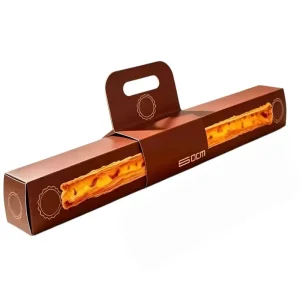
Precision-manufactured bio-degradable, food-grade certified containers engineered with high thermal resistance and superior oxygen barrier properties.
As regulatory frameworks tighten worldwide under mandates like the EU Single-Use Plastics Directive (SUPD), US State Plastic Packaging Mandates, and Global ESG Procurement Benchmarks, enterprise buyers face an existential imperative: migrating from conventional petro-plastics (PET, PP, PS) to advanced engineered compostable bio-polymers without sacrificing thermal margin, tensile strength, or unit cost competitiveness.
As a premier direct Wholesale Biodegradable Materials Manufacturer & Factory, our state-of-the-art facility integrates upstream bio-resin modification, co-extrusion technology, and digital precision thermoforming. By combining Poly-Lactic Acid (PLA), Polybutylene Adipate Terephthalate (PBAT), and Polyhydroxyalkanoates (PHA), we produce commercial-grade packaging, films, and rigid structures engineered to decompose naturally into non-toxic biomass, carbon dioxide, and water vapor under validated compost conditions.
The evolution of sustainable materials is moving beyond basic bio-derived starch blends into micro-engineered bio-polymers capable of replacing demanding technical resins. Our research and development technical roadmap spans three distinct generations of polymer science:
First-generation materials utilized thermoplastic starch (TPS) mechanically compounded with virgin PLA. While cost-effective, these early iterations suffered from moisture sensitivity and thermal deformation above 45°C. Current applications are constrained to basic low-shelf-life trays and disposable cutlery.
Our factory's primary commercial production line. By introducing nucleating agents, stereocomplex crystallization techniques, and chain extenders to PLA/PBAT matrices, Heat Deflection Temperature (HDT) rises to 105°C, making these materials hot-fill capable, grease-proof, and impact-resistant.
The vanguard of green polymer science. Polyhydroxyalkanoates (PHA) synthesized via bacterial fermentation blended with Cellulose Nanocrystals (CNC). These substrates achieve true marine biodegradation without industrial composting intervention while delivering gas permeability barrier parity with PET.
Comparative analysis of our core biodegradable material formulations against traditional petrochemical packaging plastics:
| Polymer Grade / Material | Tensile Strength (MPa) | Elongation at Break (%) | Glass Transition (Tg °C) | Industrial Compost Time | Primary Packaging Application |
|---|---|---|---|---|---|
| High-Purity PLA (Poly-Lactic Acid) | 60 - 70 | 4 - 6% | 58 - 62°C | 60 - 90 Days | Clear Rigid Windows, Cups, Bakery Shells |
| Compounded PBAT + PLA Alloy | 28 - 35 | 350 - 550% | -30 to -10°C | 45 - 75 Days | Flexi Films, Mailers, Lamination Layers |
| Bio-Fermented PHA Substrate | 30 - 45 | 10 - 20% | -10 to 5°C | 30 - 60 Days (Marine Safe) | High-Barrier Food Foiled Linings |
| Conventional PET (Petrochemical Benchmark) | 55 - 75 | 50 - 150% | 70 - 80°C | Non-Degradable (>450 Yrs) | Legacy Plastic Containers & Bottles |
Operating directly from Chaozhou, Guangdong—China’s premier industrial packaging cluster—our 10,000 m² smart factory bridges raw bio-resin synthesis with high-volume finished goods manufacturing.
Unlike downstream converting assembly plants that purchase pre-mixed pellets at high markups, our factory operates high-torque twin-screw extruder compounding lines. We modify raw PLA and PBAT polymers in-house, adding specific bio-coupling agents, organic nucleators, and natural mineral fillers. This direct control delivers a 15-22% unit cost advantage that we pass on to wholesale clients.
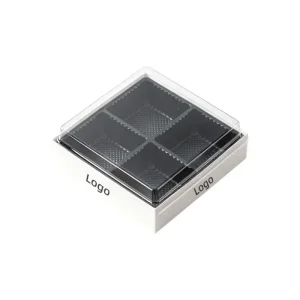
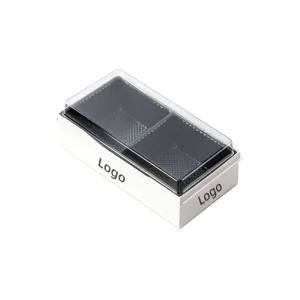
Equipped with high-precision Mengxing blister thermoformers and Zhongbo automatic die-cutters, our machinery maintains dimensional tolerances within ±0.05mm. With over 300+ standardized structural dies for cake drums, dessert boxes, and window trays, global buyers eliminate expensive initial tooling setup fees and reduce time-to-market from months to days.
Customized material formulations tailored to specific mechanical, moisture, and shelf-life demands across international commercial sectors.
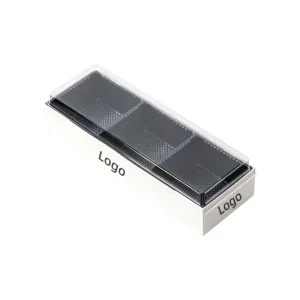
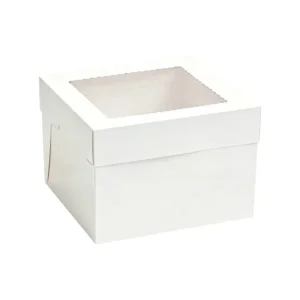
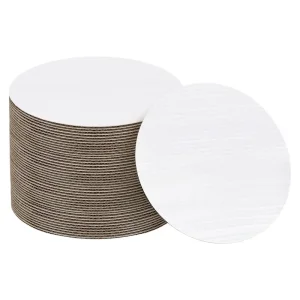
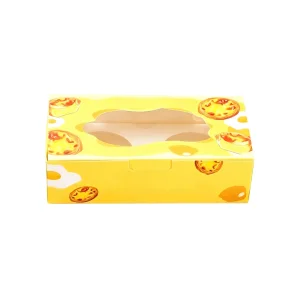
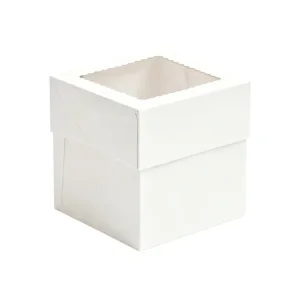
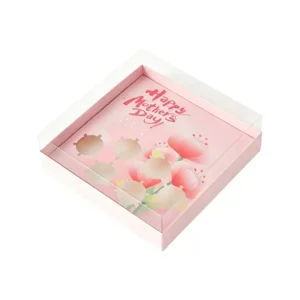
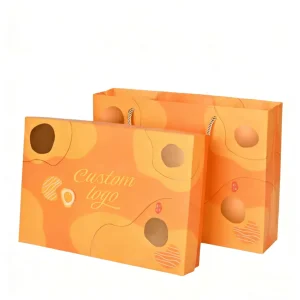
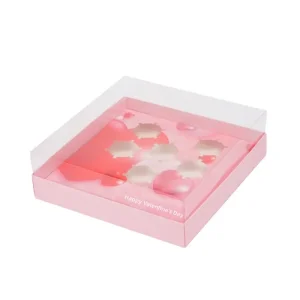
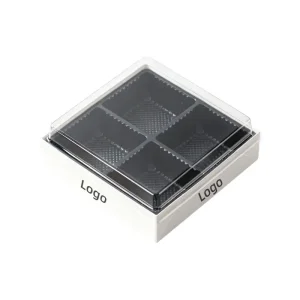
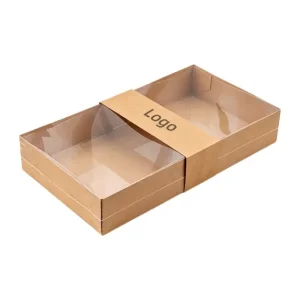
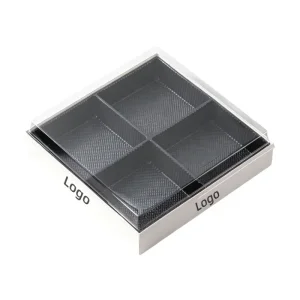
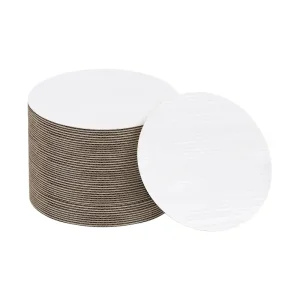
Crystal-clear PLA window boxes, grease-resistant paperboard trays, and moisture-balanced cake bases designed to prevent fogging while keeping crusts crisp and icing intact.
Soil-degradable PBAT films engineered to biodegrade directly in soil within 120-180 days post-harvest, eliminating hazardous plastic film retrieval labor and soil microplastic contamination.
Sterile, non-toxic bio-based thermoformed protective trays offering high puncture resistance and non-cytotoxic properties for single-use medical device kit housings.
High-tensile PBAT/PLA composite shipping mailers featuring double self-seal adhesive strips, dynamic tear propagation resistance, and 100% home compostability.
Navigating international customs barrier regulations requires complete batch-level certification transparency. Products manufactured at our factory carry full, verified compliance documentation tailored to global import authorities:
Full adherence to EN 13432 compostability standards, TÜV OK Compost Industrial & Home certifications, and compliance with the EU No. 10/2011 plastics food contact framework. Fully compliant with single-use plastic restrictions across all EU member states.
Third-party tested according to ASTM D6400 and ASTM D6868 for industrial composting conditions, verified by BPI (Biodegradable Products Institute). Formulations conform strictly to US FDA 21 CFR 177.2415 direct food contact safety limits.
Certified under AS 4736 / AS 5810 for Australia and New Zealand. Compliant with China's GB 4806 food contact regulations and GCC standardization guidelines (GSO) for Middle Eastern food retail importers.
For corporate procurement managers, transitioning to sustainable packaging requires predictable lead times, transparent pricing models, and verifiable Scope 3 carbon reduction metrics.
Every production lot manufactured at our facility comes with a audited Life Cycle Assessment (LCA) Data Package. From raw corn-sugar fermentation through extrusion and ocean freight logistics, we quantify global warming potential (GWP) metrics expressed in kg CO2 equivalent per unit, enabling seamless ESG corporate sustainability reporting.
Shipping empty air in global container lines destroys supply chain efficiency. Our structural packaging design team specializes in "Flat-Pack" folding geometry. By shipping packaging components un-assembled or nested, shipping volume is reduced by up to 35% to 42%, maximizing unit count per 40HQ container and drastically lowering landed cost per piece.
Expanded product series designed for high-capacity commercial bakeries, catering suppliers, and retail chain distributors.
Direct answers from our engineering desk addressing critical procurement, shelf-life, and material handling questions.
PLA and PBAT bio-polymers require environmental triggers—specifically microbial activity, elevated ambient moisture (>60% RH), and temperatures above 50°C—to initiate rapid hydrolysis. Under standard warehouse ambient conditions (20-25°C, 45-55% RH), our modified bio-packaging retains full tensile integrity, structural clarity, and snap-lock force for 18 to 24 months without premature degradation.
Standard amorphous PLA has a glass transition temperature (Tg) near 58°C, making it vulnerable to heat buildup inside shipping containers during tropical ocean transit. Our factory compounds high-crystallinity PLA (cPLA) blended with organic nucleating agents during extrusion. This boosts the Heat Deflection Temperature (HDT) up to 105°C, eliminating thermal warping during transit across equatorial shipping lanes.
For existing catalog structural sizes utilizing custom branding, offset CMYK printing, or foil stamping on the paperboard base or sleeve, our MOQ starts at 3,000 to 5,000 units per design. For completely bespoke structural shapes requiring dedicated CAD die-cutting lines or specialized thermoforming aluminum molds, the MOQ is 10,000 units per SKU to amortize setup costs efficiently.
Yes. We utilize exclusively soy-based vegetable printing inks, water-based acrylic coatings, and solvent-free lamination adhesives. All inks are formulated to meet EU Resolution AP(89)1 and FDA 21 CFR 175.300 requirements, ensuring zero heavy-metal migration, complete non-toxicity, and full compatibility with organic composting facilities without contaminating residual soil humus.
Digital structural die-line drawings and 3D mock-ups are delivered within 48 hours. Physical pre-production samples produced from our existing mold library ship within 3 to 5 business days. Custom-printed pre-production samples take 7 to 10 days. Full mass production container loads are routinely completed and packed within 15 to 25 days post artwork sign-off.
We provide complete turnkey FOB, CIF, or DDP export handling from Shantou or Shenzhen ports. Every shipment is accompanied by a certified bill of lading, commercial invoice, packing list, certificate of origin (Form E / CO), batch material declarations, and SGS/TÜV test reports required for seamless clearance through customs in North America, Europe, Australia, and the Middle East.