Industrial-grade flexible packaging solutions, high-barrier laminates, 1-way degassing valve integration, and sustainable OEM/ODM manufacturing frameworks for global roasters and retail brands.
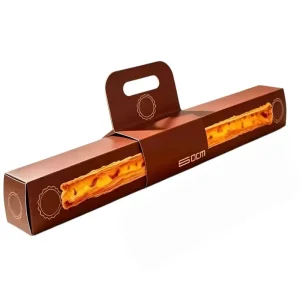
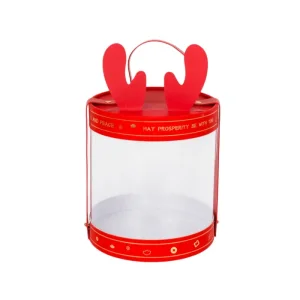
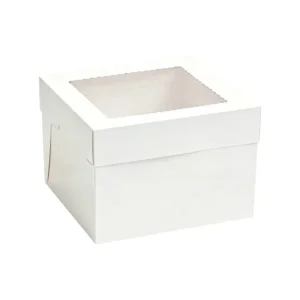
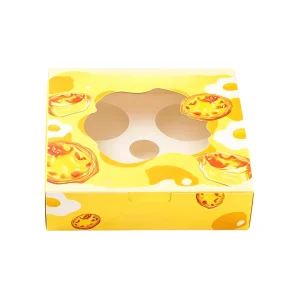
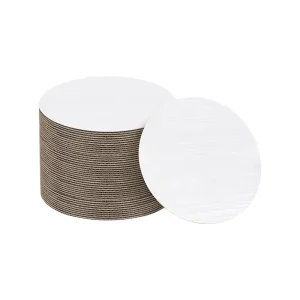
Explore our flagship OEM/ODM manufactured food-grade and bakery packaging range, precision-engineered for maximum shelf life, structural integrity, and retail display impact.
The global coffee market is undergoing a seismic shift driven by specialty micro-roasters, commercial bean distribution networks, and stringent global sustainability mandates. For wholesale buyers, selecting the right coffee packaging bag manufacturer is no longer just a purchasing decision—it is a core element of brand protection, shelf life engineering, and supply chain compliance.
With specialty coffee consumption expanding at a 7.8% CAGR globally, the demand for high-barrier flexible packaging bags equipped with custom degas valves has surged. Roasters require robust packaging that prevents oxidative degradation while maintaining volatile aromatic compounds.
Whole bean and ground coffee are hypersensitive to Oxygen Transmission (OTR) and Moisture Vapor Transmission (WVTR). Leading manufacturers utilize multi-layer co-extrusion substrates (ALOX, EVOH, and PET/AL/PE) to maintain oxygen ingress below 0.1 cc/m²/24hr.
The EU Packaging and Packaging Waste Regulation (PPWR) and US state-level plastic mandates are reshaping material selection. Wholesale suppliers are rapidly shifting toward mono-material PE recyclable laminates and certified industrial compostable structures.
Preserving specialty coffee requires sophisticated multi-layer substrate engineering. Freshly roasted coffee beans emit significant quantities of carbon dioxide (up to 10 liters per kilogram) over several weeks. Without engineered degassing pathways, pouches experience catastrophic swelling and seam rupture.
Integrates a precision-molded polyethylene body, a flexible silicone rubber diaphragm, and a specialized seal lubricant. Operating at an opening pressure of 3 to 5 mbar, it releases internally generated CO2 while preventing oxygen entry.
Standard tri-laminate film structures like PET / AL / LLDPE provide absolute protection against light, moisture, and gas. Aluminum foil layers (7μm to 9μm) serve as an total physical barrier against environmental degradation.
Engineered with Oriented PE (BOPE) laminated to Low-Density PE (LDPE) with specialized EVOH coatings. This delivers barrier properties equivalent to conventional foil while enabling simplified stream recycling under plastic code #4.
| Substrate Laminate Structure | OTR (cc/m²/24hr) | WVTR (g/m²/24hr) | Puncture Strength | Recyclability Category |
|---|---|---|---|---|
| PET / AL / LLDPE (Classic High Barrier) | < 0.05 | < 0.05 | High (> 25 N) | Non-Recyclable (Landfill/Incineration) |
| Kraft Paper / VMPET / PE (Artisan Aesthetic) | < 0.5 | < 0.5 | Medium (18 - 22 N) | Specialized Composite Recycling |
| MDO-PE / EVOH-PE (Sustainable Mono-PE) | < 0.2 | < 0.3 | High (> 22 N) | 100% Recyclable (PE Stream #4) |
| PLA / Kraft / PBS (Industrial Compostable) | < 2.0 | < 3.5 | Moderate (14 - 18 N) | EN 13432 Commercial Compost |
Selecting the appropriate pouch geometry is crucial for automated filling efficiency, shipping density optimization, and retail shelf presence. Custom OEM/ODM manufacturers offer four core structural typologies:
Featuring five distinct printable panels and a square base, flat bottom coffee pouches maximize shelf stability and cubic space utilization. They offer up to 30% more product capacity than traditional stand-up bags of identical dimensions.
Sealed on all four corners to provide rigid structural support and crisp vertical edges. Highly favored by commercial roasters for 1kg and 2.5kg bulk bean distribution due to superior stacking performance during palletization.
The industry standard for 250g and 500g retail roasted coffee. Incorporates a curved bottom gusset that expands when filled. Equipped with press-to-close zippers or tear notches for consumer convenience.
From raw polymer extrusion to high-speed die-cutting and 10-color rotogravure printing, verified packaging suppliers execute a multi-stage Quality Assurance (QA) protocol to guarantee zero-defect production runs.
Utilizing high-definition electronic gravure cylinder engraving and spectral color matching (Delta E < 1.5). Digital proofs are verified under standard D65 illumination before mass printing runs.
Advanced solvent-free laminating machines bond disparate substrate layers (e.g., Kraft paper to barrier PET) without VOC emissions or residual solvent odors that could contaminate delicate coffee flavor profiles.
Finished pouches undergo vacuum chamber burst testing (ASTM F2054) and seal strength analysis (ASTM F88) to ensure airtight integrity under high-altitude air freight and logistics pressure shifts.
Packaging strategies must adapt to regional consumer preferences, retail logistics conditions, and regulatory environments across major international markets.
Focuses on high-volume 12oz and 2lb quad-seal coffee bags equipped with pocket zippers and clear barrier windows. Requires strong barcode readability, scuff-resistant matte coatings, and robust pallet stacking strength for mass distribution channels.
Emphasizes minimalist aesthetic design utilizing tactile unbleached Kraft paper or soft-touch matte mono-material PE films. Compliance with EU kerbside recycling regulations and transparent carbon footprint documentation is mandatory.
Rapid expansion of single-serve drip coffee bags and nitrogen-flushed pouch packaging. Demands ultra-precise roll-stock film for high-speed automatic Form-Fill-Seal (FFS) machines achieving 120 packs/minute.
Expert answers regarding material specifications, minimum order quantities, valve integration, and OEM manufacturing protocols.
Freshly roasted coffee beans off-gas significant amounts of carbon dioxide (CO2) for days or weeks after roasting. A one-way degassing valve allows this trapped CO2 to escape from inside the pouch (opening at a precise pressure of 3-5 mbar) while preventing ambient oxygen, moisture, and air contaminants from entering. This preserves delicate volatile aromatics and prevents pouch bloating or seam failure.
The classic PET / AL / LLDPE (Polyethylene Terephthalate / Aluminum Foil / Linear Low-Density Polyethylene) tri-laminate offers the absolute highest barrier against light, oxygen, and moisture, achieving an Oxygen Transmission Rate (OTR) of less than 0.05 cc/m²/24hr. For eco-conscious roasters, high-barrier MDO-PE / EVOH-PE mono-material laminates provide comparable barrier performance while remaining 100% recyclable in standard PE streams.
For custom rotogravure printed coffee pouches (up to 10 colors), the standard MOQ is typically 10,000 pcs per SKU, determined by film setup and cylinder configuration. For digital short-run printing, MOQs can start as low as 1,000 to 3,000 pcs per design. Stock unprinted pouches with valve insertion can be ordered in carton quantities starting at 500 pcs.
Solventless lamination uses zero chemical solvents to bond substrate films, eliminating any risk of volatile organic compound (VOC) migration or solvent odor retention inside the bag. Because coffee grounds and whole beans readily absorb surrounding odors, solventless lamination guarantees the original cup flavor profile remains untainted.
Yes. All industrial flexible coffee pouches manufactured for commercial filling are engineered to withstand modified atmosphere packaging (MAP) procedures. High seal integrity materials (LLDPE inner sealant layer) ensure the bag withstands nitrogen gas injection, reducing internal residual oxygen levels to under 1% before final heat sealing.
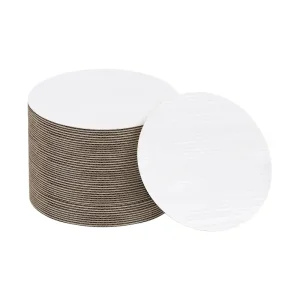
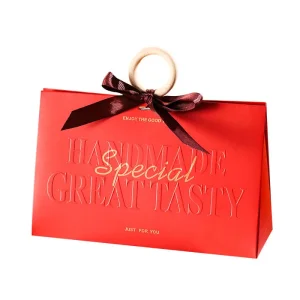
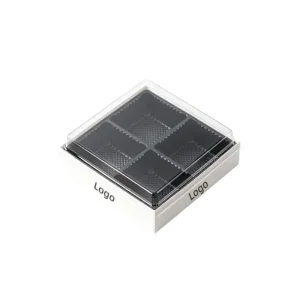
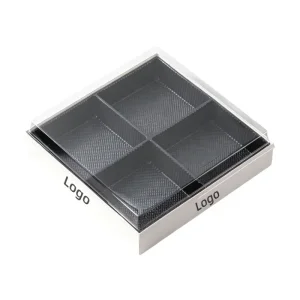
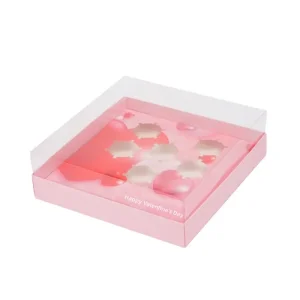
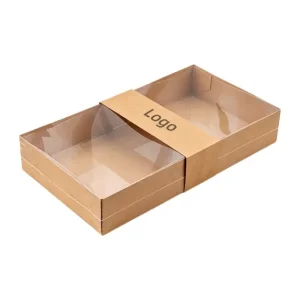
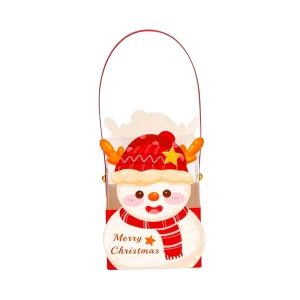
Complete your wholesale product matrix with our high-grade corrugated cake bases, window bakery bags, treat containers, and seasonal gift presentation boxes.