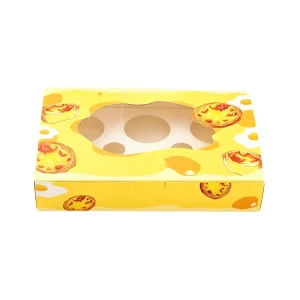
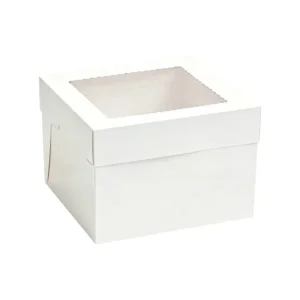
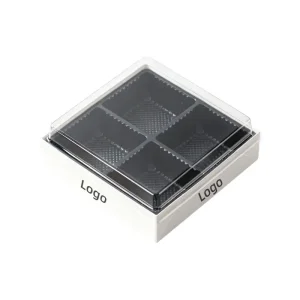
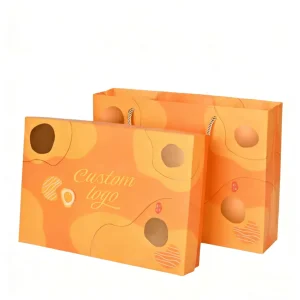
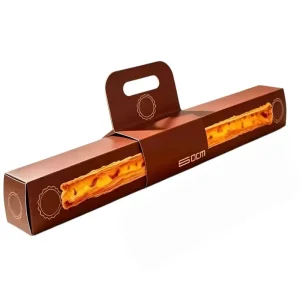
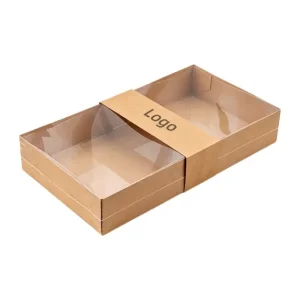
Explore our high-performance B2B container portfolio engineered for structural integrity, food-contact safety compliance, and maximum operational throughput across enterprise bakery and catering workflows.
As global regulatory enforcement tightens around petroleum-based single-use plastics, multinational quick-service restaurant (QSR) chains, institutional caterers, and commercial food processors are executing rapid supply chain realignments toward certified compostable clamshell systems.
Enterprise buyers across North America and Europe face mounting penalties from legislation such as EU Directive 2019/904 (SUPD) and California’s SB 54. Transitioning to certified compostable clamshells mitigates Extended Producer Responsibility (EPR) tariffs and secures institutional compliance.
Corporate ESG disclosures now strictly evaluate supply chain carbon intensity. Modern bagasse thermoforming and biopolymer polyhydroxyalkanoate (PHA) coatings drastically lower embedded cradle-to-gate carbon footprints compared to expanded polystyrene (EPS).
Semantic search data reveals a 310% surge in commercial B2B inquiries for "PFAS-free compostable take-out containers." Forward-thinking QSR brands leverage tactile, natural-fiber unbleached clamshells to communicate authenticity and premium sustainable alignment.
Historically, molded sugarcane pulp clamshells relied on per- and polyfluoroalkyl substances (PFAS) for oil and grease resistance. Modern manufacturing standardizations utilize fluorochemical-free aqueous dispersion barrier coatings or mechanical refining protocols that maintain oil resistance up to 95°C without compromising organic compostability standards (ASTM D6868).
Developing high-integrity compostable clamshell packaging requires precise bio-material formulation, controlled mold hydraulics, and advanced thermal boundary engineering. Below is an engineering breakdown of primary bio-substrates utilized in enterprise manufacturing.
Sugarcane bagasse—a byproduct of agricultural sugar extraction—is refined into short-fiber cellulosic pulp. Under high-pressure thermal molding (up to 220°C and 15 MPa hydraulic pressure), the interlocking micro-fibers form a rigid structural wall.
Synthesized from fermented plant starches (corn starch or cassava), PLA provides crystal-clear transparency for cold food applications. When annealed into CPLA, heat distortion temperature increases up to 90°C.
| Performance Metric | Thermorformed Bagasse | PFAS-Free Bamboo Fiber | CPLA Biopolymer | Conventional EPS (Styrofoam) |
|---|---|---|---|---|
| Hot Oil Resistance (95°C) | Excellent (Aqueous Coated) | Superior (Dense Fiber) | Moderate (<75°C) | Degrades / Leaches |
| Industrial Compostability | EN 13432 (<90 Days) | EN 13432 (<90 Days) | ASTM D6400 (<180 Days) | Non-Compostable |
| Home Compostability | OK Compost Home Certified | OK Compost Home Certified | Non-Compostable | Non-Compostable |
| Stacking Load Strength | High (Double-Rib Structure) | Very High | High Rigid Body | Brittle / Collapsible |
| EPR Tax & Penalty Exposure | Zero Rating / Exempt | Zero Rating / Exempt | Low Risk | High Penalties Globally |
Procurement directors at commercial bakery chains, wholesale food distributors, and meal-kit operators evaluate packaging suppliers beyond unit costs. Key metrics include volumetric freight optimization, automated packing line integration, and yield loss mitigation.
Container shipping costs (CBM optimization) dictate overall unit economics. Precision-molded draft angles enable tight nesting stacks, reducing shipping volume by up to 35% compared to non-optimized rigid designs.
High-speed commercial packing lines require clamshells that denest smoothly without vacuum locking. Precision anti-jamming corner lugs guarantee automated pick-and-place reliability at 120+ units per minute.
Sensory feedback during food prep confirms security. Custom-engineered multi-point button locks provide an audible "click" that reassures line operators against lid pop-offs during last-mile delivery.
Securing international distribution mandates rigorous certification credentials. Direct OEM/ODM manufacturing protocols adhere to stringent testing criteria set by third-party testing bodies across North America, Europe, and Asia-Pacific.
US Food & Drug Administration compliance for direct food contact with aqueous, fatty, and dry food matrices without chemical migration.
European standard governing industrial compostability, ecotoxicity tests, heavy metal limits, and complete biodegradation in under 180 days.
Biodegradable Products Institute certification validating complete disintegration in commercial composting systems without persistent microplastics.
Full compliance with US State legislation prohibiting organic fluorine content above 100 ppm total fluorine testing thresholds.
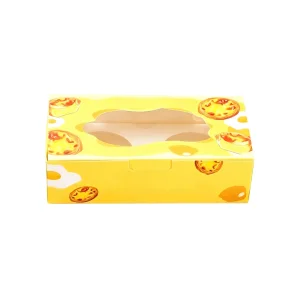
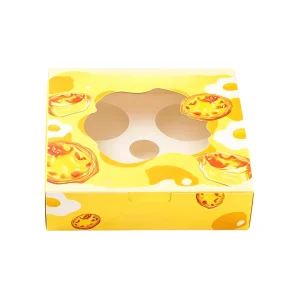
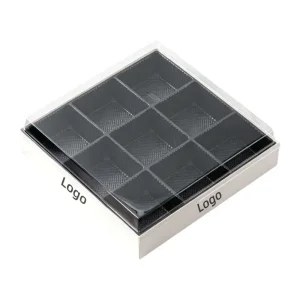
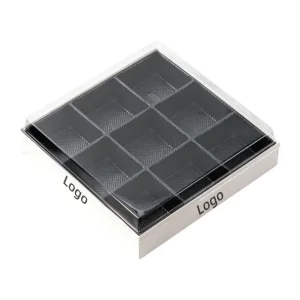
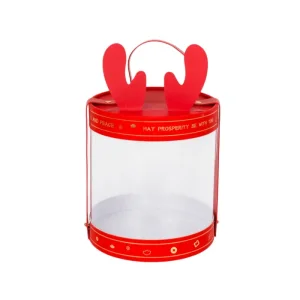
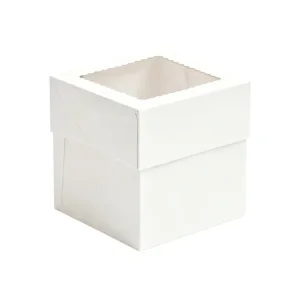
Complete your packaging portfolio with our specialized OEM/ODM paperboard, windowed, and structural display containers designed for high-end bakery retailing and bulk commercial catering.
Direct authoritative answers from our senior packaging engineering desk addressing material performance, compliance, MOQ terms, and custom OEM tooling workflows.