Explore our high-precision structural packaging inventory engineered for retail presentation, shelf stability, and international freight efficiency.
The global beauty and personal care industry is undergoing a structural paradigm shift in packaging formats. Driven by the expansion of direct-to-consumer (D2C) e-commerce, environmental regulatory pressures, and the rapid commercialization of concentrated product formulations, brand owners are increasingly migrating from traditional rigid glass and heavy plastic jars toward highly engineered Cosmetic Packaging Bags and Flexible Pouches.
According to modern supply chain telemetry, flexible packaging in the cosmetic domain is projected to expand at a compound annual growth rate (CAGR) exceeding 6.4% through 2031. This growth is anchored not merely by aesthetics, but by quantitative logistics advantages: flexible pouches achieve up to an 85% reduction in empty packaging storage volume, a 65% reduction in overall tare weight, and a dramatic lowering of scope 3 carbon emissions across international freight corridors.
Global cosmetic brands are leveraging spouted stand-up pouches (Doypack) for eco-refill station refills, reducing virgin plastic consumption by up to 70% compared to rigid pump bottles.
Complex formulations containing unstable active agents (such as L-Ascorbic Acid, Retinol, and Botanical Extracts) require precise oxygen (OTR) and moisture vapor transmission rates (MVTR) provided by multi-layer aluminum or EVOH structures.
Flexible pouches eliminate transit breakage risks inherent in glass containers. Their puncture-resistant co-extruded films endure high hydrostatic burst pressures during courier transit.
Sourcing premium cosmetic bags requires a rigorous understanding of substrate dynamics. A cosmetic pouch is rarely a single plastic layer; it is a meticulously engineered composite laminate where each layer performs a specific mechanical or chemical barrier function.
| Substrate Combination | Barrier Rating (OTR / MVTR) | Primary Cosmetic Applications | Key Performance Attribute |
|---|---|---|---|
| PET / AL / PE | Near Zero (<0.01 g/m²/day) | Organic Serums, Retinol Creams, Facial Masks | Maximum UV, oxygen, and moisture isolation; extended shelf-life (24+ months). |
| BOPP / VMPET / PE | High (0.5 g/m²/day) | Bath Salts, Facial Cleansers, Body Scrubs | Metallic visual luster, high tensile strength, economic barrier cost profile. |
| Kraft Paper / PET / PE | Medium (1.2 g/m²/day) | Solid Cosmetics, Powder Masks, Botanical Soap | Tactile eco-friendly aesthetic combined with internal moisture barrier seal. |
| Mono-PE + EVOH Coating | High (<0.1 g/m²/day) | Refill Pouches, Shampoos, Conditioners | 100% Fully Recyclable under Class 4 PE streams; compliant with EU PPWR guidelines. |
Leading Chinese manufacturing facilities utilize zero-VOC solventless laminators. This prevents residual solvent migration into lip balms, facial oils, and sensitive skin formulations, eliminating contamination risks and preserving scent purity.
Cosmetic spouts are hot-fitted using Ultrasonic or High-Frequency Heat Sealing methods. Seal tensile strength is tested via ASTM F88 standards to ensure zero leakage under negative pressures experienced in cargo holds of aircraft.
When procurement directors partner with Chinese suppliers for wholesale cosmetic bags, they tap into an unparalleled industrial cluster network. Regions such as Chaozhou, Shenzhen, and Ningbo represent hyper-dense packaging ecosystems where raw material sourcing, masterbatch compounding, cylinder engraving, printing, and automated conversion occur within tight geographic radiuses.
Modern Chinese plants feature 10-color electronic shaftless gravure printing presses running at speeds up to 350 meters per minute. Automatic Registration Control Systems (ARC) guarantee crisp typography, exact barcode rendering, and perfect color fidelity across millions of units.
From tactile soft-touch matte lamination and metallic spot foil stamping to holographic anti-counterfeiting films, Chinese manufacturers possess deep experience in applying complex aesthetic treatments directly in-line.
High-speed automatic bag-making machines integrate inline die-cutting, corner rounded punching, zipper insertion, and automated spout capping in a single continuous process, drastically lowering labor costs while maintaining tight dimensional tolerances.
By maintaining in-house plate making (cylinder engraving) and quick-change die-set tooling, premier Chinese packaging factories achieve custom pre-production sample turnaround in just 5 to 7 working days, with full container-load (FCL) mass production completed within 15 to 20 days.
Selecting the right wholesale cosmetic packaging bag supplier demands strict adherence to international quality management and regulatory compliance. Buyers should implement a multi-tiered qualification standard covering material purity, physical resilience, and facility certification.
Ensure suppliers hold certified Cleanrooms (ISO Class 8/Class 100,000), ISO 22716 (Cosmetic GMP), BRCGS Packaging Material standards, and full compliance declarations for EU REACH, US FDA 21 CFR, and California Proposition 65.
Enforce strict Acceptable Quality Limits (AQL 1.0 for Critical Defect Zero-Tolerance, AQL 2.5 for Major Visual Defects). On-site inspectors test seal strength, burst force, coefficient of friction (COF), and drop resistance prior to palletizing.
Conduct mandatory 12-week accelerated stability testing at 40°C / 75% RH. Check for film delamination, printing ink bleed, spout stress cracking, or essential oil swelling of internal PE sealants.
Regulatory imperatives like the European Union’s Packaging and Packaging Waste Regulation (PPWR) are forcing brands to rethink non-recyclable multi-material foil structures. The modern supplier ecosystem has reacted with three core sustainable flexible packaging innovations:
Incorporating 30% to 50% Post-Consumer Recycled (PCR) PE or PET into structural layers reduces virgin resin reliance while maintaining necessary tensile strength and drop durability.
Replacing traditional PET/AL/PE laminates with all-Polyethylene (PE/PE or PE/EVOH-PE) monomaterial films allows end consumers to discard empty pouches into standard kerbside plastic recycling streams.
Utilizing certified industrially compostable substrates (such as Kraft paper combined with PLA or bio-PBS barrier coatings) for dry cosmetics, face masks, and solid bath salts.
Direct answers from our engineering and export desk regarding wholesale cosmetic pouch procurement.
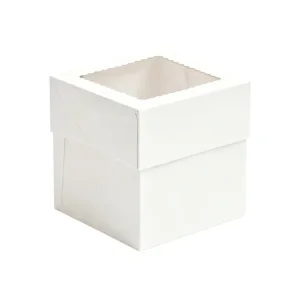
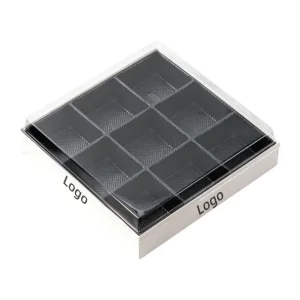
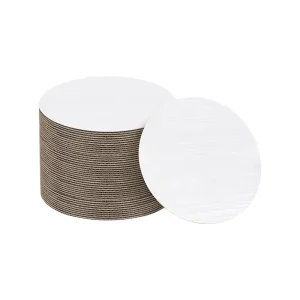
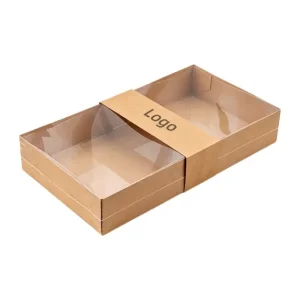
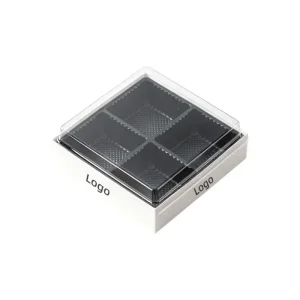
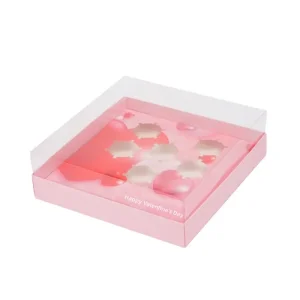
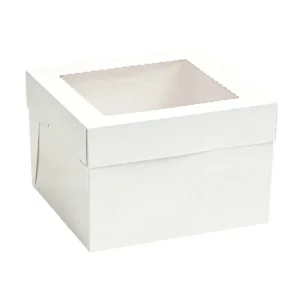
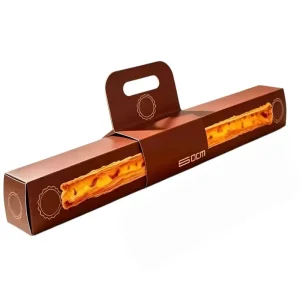
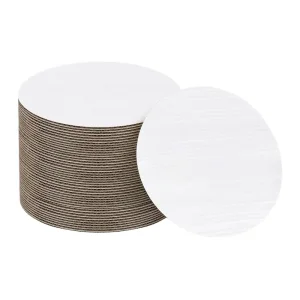
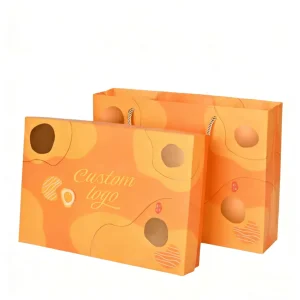
Discover additional structural options including custom bakery boxes, cake drums, and specialty retail display units available for direct factory export.
Whether launching a new cosmetic refill line, scaling your retail beauty distribution, or upgrading to sustainable mono-PE packaging bags, our structural engineering team delivers sample prototypes and quotation specifications within 48 hours.