Explore our core manufacturing line of custom bakery containers, food-grade paper boxes, and structural packaging engineered for maximum shelf appeal and shelf-life protection.
An authoritative analysis of flexible packaging adoption, material performance criteria, and the structural displacement of rigid glass, metal, and cardboard containers.
The global flexible packaging and standing pouch market is projected to expand from $38.2 Billion in 2024 to over $56.8 Billion by 2032, registering a compound annual growth rate (CAGR) of 5.1%. Drive factors include urbanization, demand for extended ambient shelf life, and significant logistics weight reduction.
Compared to traditional rigid glass jars or tin cans, empty standing pouches require 85% less storage space in transit and warehousing. A single truckload of unformed standing pouches carries the equivalent volume of 25 truckloads of rigid glass containers, directly lowering freight carbon emissions.
Modern standing pouch architectures utilize sophisticated multi-layer co-extrusion and lamination. Achieving Oxygen Transmission Rates (OTR) < 0.5 cc/m²/24h and Water Vapor Transmission Rates (WVTR) < 0.2 g/m²/24h ensures maximum active ingredient and food freshness protection.
Understanding the physics of multi-layer laminates: Balancing puncture resistance, flex-crack resistance, optical clarity, and hermetic seal integrity.
Traditional high-performance standing pouches for specialty coffee, infant formula, and aggressive chemical compounds rely on aluminum foil (AL, 6.3–9µm) or metallized PET (VMPET). This structure provides an absolute barrier against light, oxygen, moisture, and aroma migration.
To align with global circular economy directives (such as EU PPWR), engineering focus has shifted to mono-material structures (MDO-PE / PE or cPP / PP). These structures enable 100% recycling in existing polyolefin streams without sacrificing essential mechanical strength.
| Pouch Laminate Structure | Barrier Rating (OTR/WVTR) | Puncture Resistance | Thermal Window | Primary Industrial Application |
|---|---|---|---|---|
| PET / AL / NY / LLDPE | Ultra High (<0.1 / <0.1) | Extreme (Impact Grade) | -20°C to 121°C (Retort) | Ready-to-Eat Meals, Medical, Solvents |
| PET / VMPET / PE | High (<0.5 / <0.5) | High | -10°C to 80°C | Specialty Coffee, Snack Foods, Powders |
| MDO-PE / PE-EVOH (Recyclable) | Medium-High (<1.2 / <1.0) | Medium-High | -20°C to 75°C | Sustainable Pet Treat, Dry Food, Retail |
| Kraft Paper / PET / PE | Medium (<2.0 / <1.5) | Medium | Ambient (15°C - 35°C) | Artisan Teas, Bakery Goods, Confectionery |
| Clear High-Barrier SiOx / PET / PE | High (<0.5 / <0.5) | High | -10°C to 95°C (Microwavable) | Window Fruit Pouches, Liquid Sauces |
Engineered pouch geometries, closure mechanisms, and ergonomic dispense systems tailored to B2B high-speed filling lines.
The standard round-bottom (Doypack) gusset provides excellent stability for product loads under 500g. For heavy-duty applications (1kg to 5kg pet food or powders), a K-Seal or Plow-Bottom gusset distributes weight at 45° angles, eliminating stress concentration on vertical side seals.
We integrate diverse closure systems: standard single/double press-to-close zippers, Velcro® brand Hook-to-Hook closures for powdery contents, pocket zippers for easy top filling, and certified Child-Resistant (CR) push-and-slide zippers for pharmaceutical or regulatory items.
Corner or center-mounted injection-molded PE/PP spouts (ranging from 8.5mm to 33mm diameters) enable drip-free dispensing for liquids, gels, and purees. Includes anti-choke caps, tamper-evident tear rings, and high-speed automated spout insertion tooling.
Tailor-made flexible packaging strategies across food service, retail consumer goods, personal care, and industrial chemical supply chains.
Features standard one-way degassing valves to vent CO2 emitted by freshly roasted beans while blocking atmospheric oxygen ingress. Matte, gloss, or tactile soft-touch finishes elevate premium brand positioning.
Engineered to replace rigid plastic bottles. Designed for cold-brew coffee, energy gels, condiments, fruit juices, and household liquid detergents, featuring high burst strength and leak-proof ultrasonic weld seals.
Utilizes heavy-duty co-extruded nylon layers to prevent grease staining and fat oxidation. Hermetic zipper closures maintain crunchiness and lock in fresh meat aromas between feeding cycles.
Antistatic inner PE surface additives ensure powders do not cling to zipper tracks during filling or consumer dispensing. Superior moisture barrier prevents clumping in whey protein and collagen formulas.
From conceptual CAD dieline drawing to automated high-speed rotogravure printing, lamination, and international container loading.
Structural volume calculations, pouch geometry definition, and custom dieline generation within 24 hours.
Matching product chemical aggressiveness and target shelf life with optimal film layer chemistry.
Up to 10-color electronic high-speed rotogravure or short-run digital printing with Pantone precision.
Zero volatile organic compound (VOC) lamination cured in temperature-controlled aging chambers.
Precision gusset forming, ultrasonic zipper insertion, spout welding, and die-cut corner rounding.
Tensile strength, burst pressure, seal integrity testing, and full export compliance documentation.
Expert insights regarding material certifications, minimum order quantities, custom tooling, and packaging performance verification.
For custom rotogravure-printed standing pouches with full brand artwork, our typical MOQ starts at 10,000 to 20,000 units per SKU, depending on the pouch dimensions and material composition. For short-run product rollouts or market testing, our industrial digital printing lines allow MOQs as low as 1,000 units without plate setup costs.
Yes. All raw film resins, laminating adhesives, and printing inks utilized in our facility are 100% food-grade compliant under FDA 21 CFR 177, EU Regulation (EC) No 1935/2004, and REACH/RoHS directives. Every mass-production lot is accompanied by a Certificate of Analysis (CoA) and third-party SGS/TÜV migration test reports upon request.
Aluminum foil (PET/AL/PE) remains the gold standard for zero-transmittance light and gas barrier protection, providing up to 24 months of ambient shelf life for sensitive products like coffee or infant food. However, if your brand must meet strict regional recyclability targets (e.g., EU PPWR 2030 guidelines), our mono-material MDO-PE/PE-EVOH structures deliver high barrier protection while remaining 100% kerbside recyclable within the PE recycling stream.
Absolutely. For hot-fill liquid products (up to 85°C–92°C) or full autoclave retort sterilization (121°C at elevated pressure for 30 minutes), we engineer specialized heat-resistant laminates utilizing cast polypropylene (cPP) sealing layers, retort-grade adhesives, and high-tensile nylon (PA) stabilization films.
Unprinted physical structural prototypes with exact pouch dimensions and closures take 3 to 5 business days. Full color pre-production proofing samples require 7 to 10 days. Mass production lead times are typically 15 to 22 business days following artwork approval and deposit receipt, supported by FOB, CIF, or DDP direct shipping terms worldwide.
Seal integrity is achieved through calibrated heat-seal thermal jaws, linear pneumatic pressure controls, and precise dwell times on automated converting lines. We conduct laboratory burst testing (ASTM F1140) and air-tight bubble leak testing (ASTM F2096) on every batch, ensuring seal strength exceeds 35 Newtons per 15mm width.
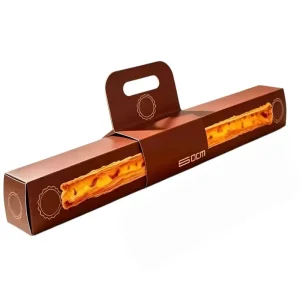
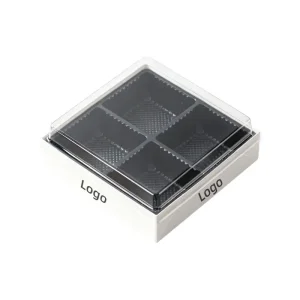
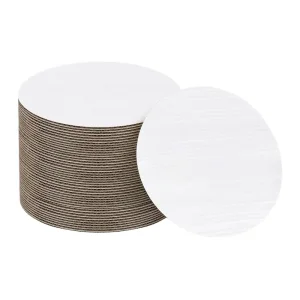
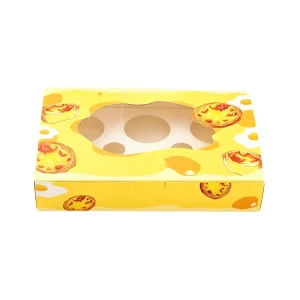
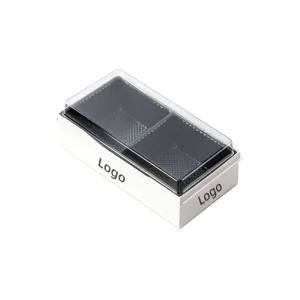
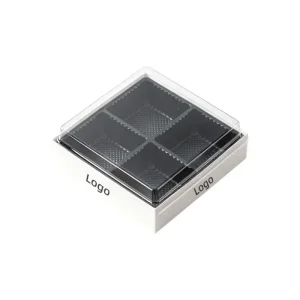
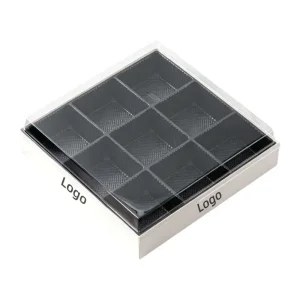
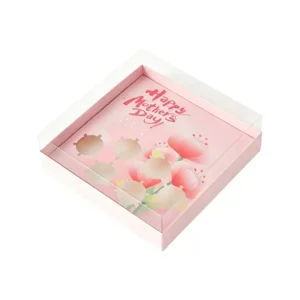
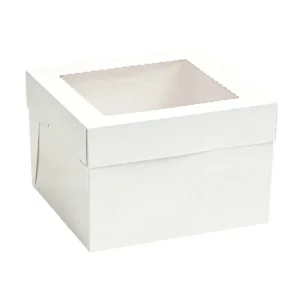
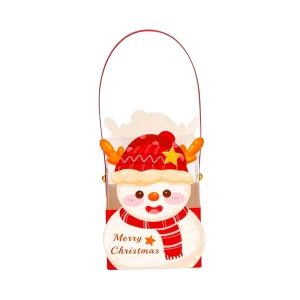
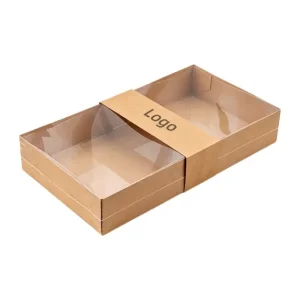
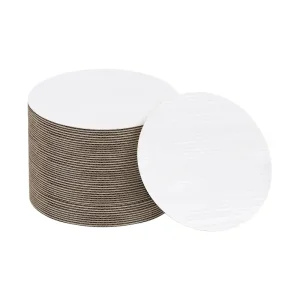
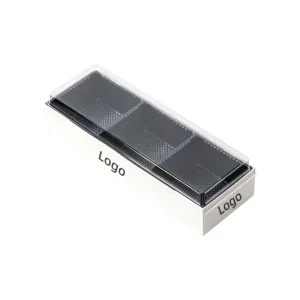
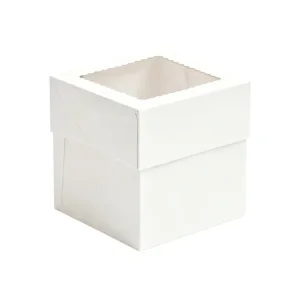
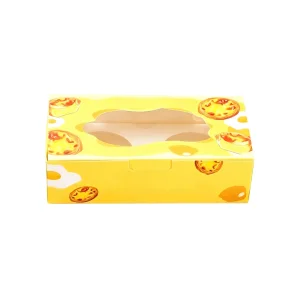
Complementary bakery boxes, cake drums, clear window displays, and festive treat containers produced to exact global standards.
Consult with our senior flexible packaging engineers today. We provide full dieline development, barrier optimization, free material sample kits, and factory-direct wholesale quotations.
Request Engineering Sample Kit