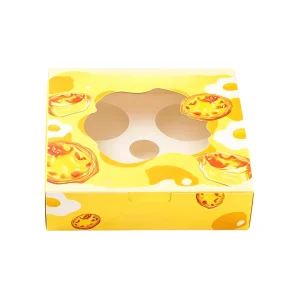
Precision-engineered food-grade paperboard containers and display structures optimized for automated processing, takeaway integrity, and high-shelf impact.
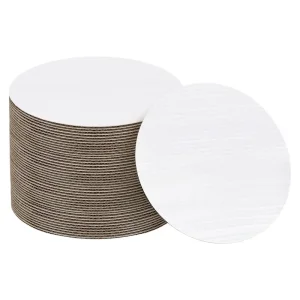
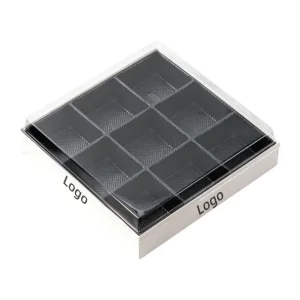
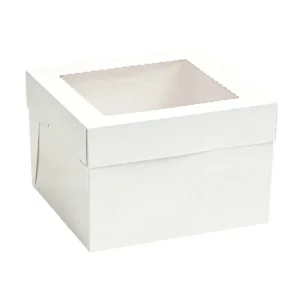
Accelerating compliance mandates, corporate sustainability targets, and rapid automation in commercial kitchens are redefining specifications for bulk paperboard solutions.
The global transition from single-use fossil-fuel plastics to renewable cellulosic substrates has reached an irreversible inflection point. Food manufacturers, industrial bakery operations, retail supermarket chains, and food service conglomerates are under dual pressure: navigating strict regulatory frameworks—such as the European Packaging and Packaging Waste Regulation (PPWR) and US State-level PFAS bans—while satisfying consumer demand for uncompromised structural performance and eco-transparency.
Commercial paper food containers are no longer passive holding vessels. They are multi-layer material engineering systems designed to regulate water vapor transmission, resist lipid penetration (Kit Test 1-12 ratings), sustain stacking load pressures in cold-chain logistics, and integrate seamlessly into high-speed, automated denesting and sealing packaging lines.
Comprehensive breakdown of supply chain dynamics, regional raw material shifts, and high-volume demand centers.
Regulatory mandates across the EU and North America have accelerated the phase-out of expanded polystyrene (EPS) and poly-fluorinated coatings. B2B buyers now mandate 100% virgin wood pulp or certified post-consumer recycled (PCR) paperboard with aqueous dispersion coatings.
China, particularly manufacturing clusters like Guangdong (Chaozhou packaging hubs), leads global production capacity for paper packaging machinery, precision thermoforming dies, and high-volume offset/flexographic converting lines.
Rapid expansion of QSR platforms, cloud kitchens, and premium bakery franchises in regions like Saudi Arabia, UAE, and Brazil has triggered massive growth in bulk custom-printed food box purchasing.
How cutting-edge barrier technologies and pulp processing methods are overcoming traditional paper limitations.
Historically, raw paper containers suffered from two structural vulnerabilities: loss of stiffness upon exposure to ambient humidity (moisture uptake) and rapid oil bleeding when contacting lipids, butter, or fried items. Historically, manufacturers addressed this by laminating paperboard with Polyethylene (PE) or Polypropylene (PP) films. However, PE/PP lamination makes repulping extremely difficult, forcing materials into landfills.
Aqueous barrier coatings apply bio-polymer dispersions (acrylics or styrene-butadiene latices) directly onto paper fiber matrices. Once repulped in water mills, the barrier breaks down easily, allowing 99%+ pulp fiber recovery.
Choosing between Solid Bleached Sulfate (SBS) and Unbleached Kraft Paperboard depends on food-contact requirements, visual aesthetics, and tensile stiffness demands.
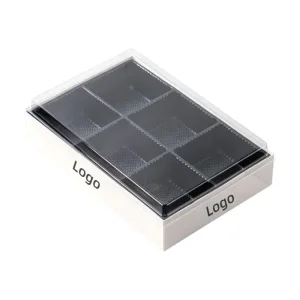
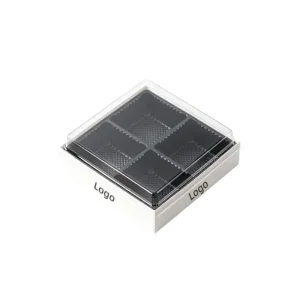
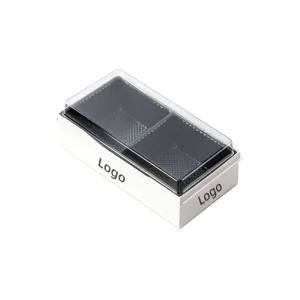
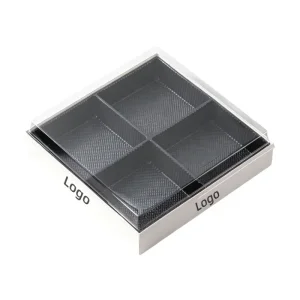
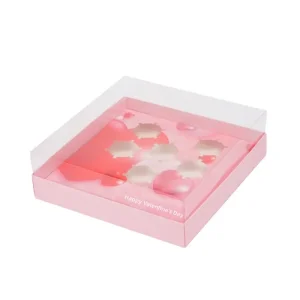
To maximize retail display impact without compromising structural integrity, food manufacturers utilize paperboard trays combined with recyclable bio-oriented PET or 100% rPET clear lids.
Specific performance criteria for industrial packaging across diverse food sector operating environments.
| Application Scenario | Key Operational Challenge | Structural & Material Solution | Target Paperboard Specification |
|---|---|---|---|
| Industrial Bakery & Cake Operations | Moisture migration weakening box walls; heavy cake weight collapsing bases. | Heavy-duty corrugated cake drums, rigid greaseproof bases, corner snap-lock tabs. | Double-wall corrugated or 350-400 gsm SBS + Greaseproof Coating |
| QSR Takeaway & Cloud Kitchens | Steam condensation causing sogginess; oil seepage ruining bag/clothing during transit. | Vented steam die-cuts, oil-barrier coatings (Kit 12), thermal retention folding structures. | 300-350 gsm Kraft Board + Water-Based Aqueous Coating |
| Supermarket Fresh Produce & Fruit Cuts | High relative humidity in display cases; fruit acid degrading internal fibers. | PET anti-fog window inserts, acid-resistant barrier lining, high edge-wicking resistance. | 280-320 gsm White Paperboard + PET Window + Bio-Barrier |
| High-Speed Automated Pack Lines | Jamming in mechanical denesting machines; inconsistent die-cut dimensional tolerances. | Precision flat-pack die-cutting (±0.2mm tolerance), pre-scored creasing lines, high stiffness rating. | 300-350 gsm High-Taber Stiffness Virgin Fiberboard |
| Seasonal & Confectionery Gifting | Low shelf impact; poor luxurious hand-feel; lack of brand differentiation. | Foil stamping (Gold/Silver), multi-compartment dividers, high-clarity clear lids, velvet-touch lamination. | 350-400 gsm Premium White Cardboard + Spot UV / Hot Foil |
The step-by-step engineering workflow required to manufacture industrial-grade wholesale paper boxes.
CAD engineers design parametric die-lines optimizing box volume, load distribution, and nesting efficiency for flat shipping.
Computerized sample-cutters produce physical 3D mockups in 48-72 hours to verify product fit, snap locks, and stacking strength.
8-color Heidelberg or Komori offset presses execute brand artwork with precise Pantone spot-color matching (ΔE < 1.5).
Automatic Bobst die-cutters stamp out thousands of blanks per hour while applying precision aqueous or PLA food barriers.
High-speed gluing lines fold blanks into final flat-packed structures with automated vision systems inspecting print registration.
Addressing structural failures, supply chain bottlenecks, and branding challenges at enterprise scale.
Shipping pre-assembled boxes creates massive volumetric inefficiency (shipping air). Custom knock-down (KD) box engineering allows food containers to ship completely flat, increasing container load capacity by up to 35% to 50% and dramatically slashing sea freight costs.
Industrial food boxes stacked 5-to-10 high in warehouse pallets risk structural buckling. Engineers calculate required paperboard ECT (Edge Crush Test) values and reinforce corner angles to ensure vertical load capacity exceeds 150 kg without crushing internal contents.
Global food brands cannot risk chemical migration scandals. Quality assurance requires batch-level certificates of compliance covering migration limits for heavy metals, phthalates, mineral oils (MOSH/MOAH), and volatile organic compounds (VOCs).
Direct technical answers for procurement directors, packaging engineers, and supply chain managers.
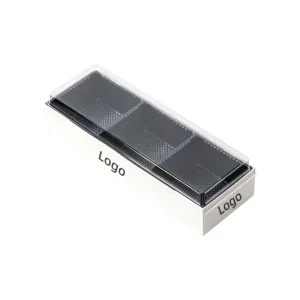
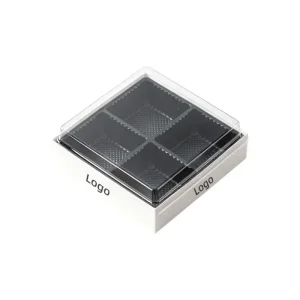
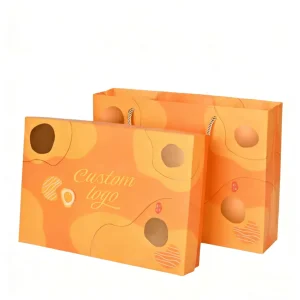
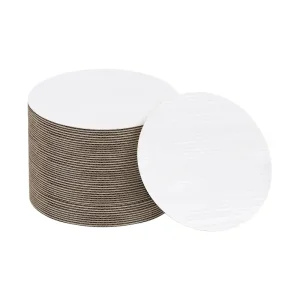
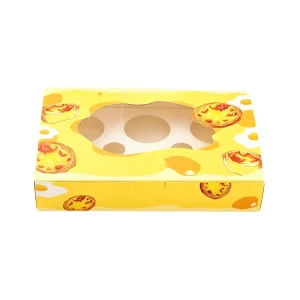
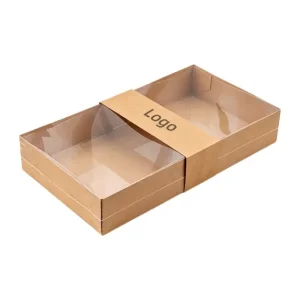
Explore customized multi-compartment containers, long pastry trays, cake boards, and slim food boxes designed for diverse food service needs.