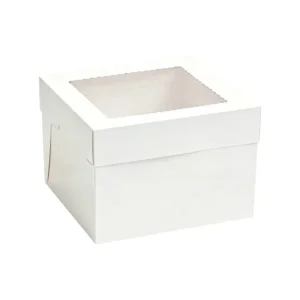
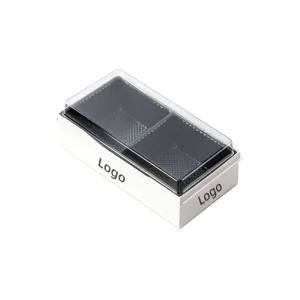
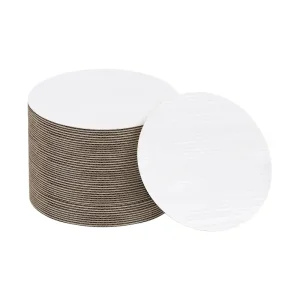
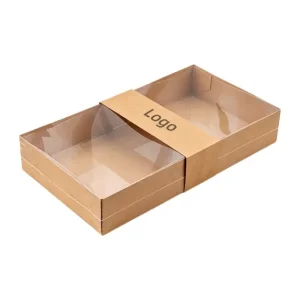
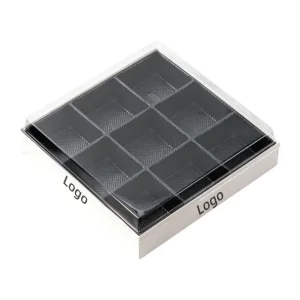
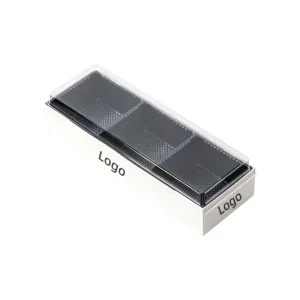
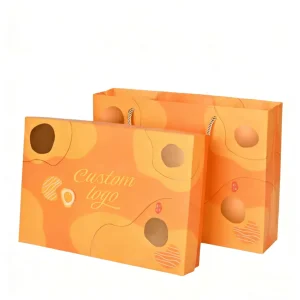
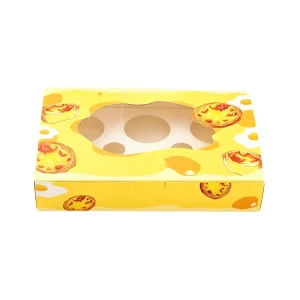
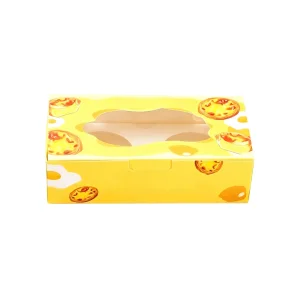
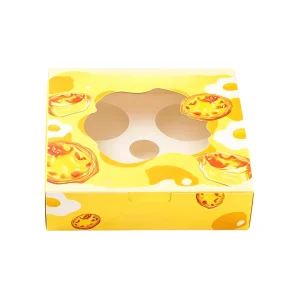
Direct OEM/ODM factory catalog engineered for global exporters, bakery chains, and retail brand owners.
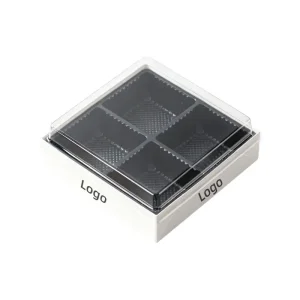
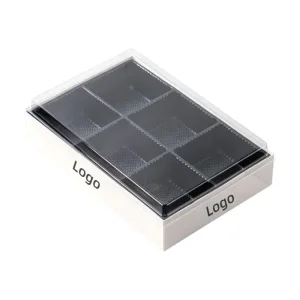

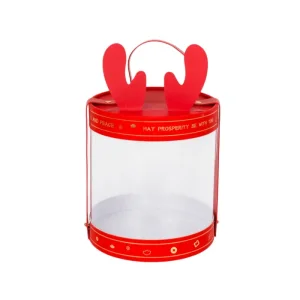
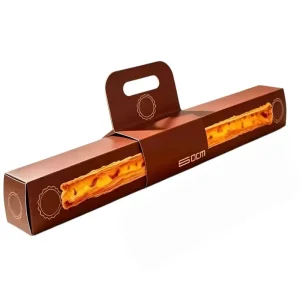
The structural shift toward bio-based polymers, circular substrates, and carbon-neutral packaging ecosystems.
Global enterprise procurement is undergoing a paradigm shift driven by stringent environmental legislation. Initiatives such as the European Union’s Packaging and Packaging Waste Regulation (PPWR) and Single-Use Plastics Directive (SUPD), alongside North American state-level bans on expanded polystyrene (EPS) and per- and polyfluoroalkyl substances (PFAS), have elevated plant-based material sourcing from a branding preference to a core risk mitigation requirement.
Industrial buyers across food service, bakery logistics, FMCG retail, and pharmaceutical protective packaging are rapidly replacing conventional petrochemical plastics (PET, PP, PS) with agricultural co-product derivatives. Materials derived from sugarcane bagasse, cornstarch-based Polylactic Acid (PLA), microbial Polyhydroxyalkanoates (PHA), bamboo fiber matrixes, and molded cellulosic pulp now define the baseline for modern OEM/ODM supplier selection.
The primary challenge facing enterprise procurement directors is maintaining structural integrity, thermal resistance, and barrier performance (WVTR and OTR) while reducing carbon footprints. Enterprise buyers demand fully transparent tier-1 factory audits, verified material composition sheets, life cycle assessment (LCA) data, and predictable high-volume wholesale pricing models to secure global supply chains.
High-throughput manufacturing engineered for international wholesale compliance and multi-market scale.
Understanding the rigorous technical evaluation criteria applied by Fortune 500 purchasing directors.
Plant materials must deliver quantifiable Water Vapor Transmission Rates (WVTR) and Oxygen Transmission Rates (OTR) comparable to traditional OPP or PET. For fresh bakery goods, confectionery, and high-fat hot food takeaways, our specialized bio-coatings prevent oil saturation and moisture weakening without using synthetic plastic laminates or toxic fluorochemicals.
Custom boxes, folded cartons, and thermoformed bio-trays must seamlessly integrate into automatic denesting, automated filling, high-speed heat sealing, and robotic palletizing lines. Dimensional consistency within a tolerance of ±0.3mm is critical to avoid factory line jams and costly downtime.
Global buyers require upstream material traceability. Factories must present chain-of-custody documentation (such as FSC/PEFC for paper fibers) and validated Life Cycle Analysis (LCA) data to support Scope 3 emission disclosures required under international corporate sustainability reporting frameworks.
Comparative analysis of bio-based material architectures and their industrial applicability.
| Material System | Primary Feedstock | Key Performance Strengths | Thermal Limits | End-of-Life Streams |
|---|---|---|---|---|
| Virgin Kraft / Food-Grade Cardboard | Unbleached Softwood & Bamboo Fiber | Exceptional tear resistance, high tensile strength, 100% recyclable in curbside paper streams. | -20°C to 120°C | Curbside Recyclable / Industrial Compost |
| Crystallized Polylactic Acid (CPLA / PLA) | Cornstarch / Sugarcane Fermentation | High transparency for clear display lids, high stiffness, grease and aroma barrier. | -18°C to 45°C (PLA) / 85°C (CPLA) | Industrial Composting (EN 13432 / ASTM D6400) |
| Molded Sugarcane Bagasse | Upcycled Agricultural Sugarcane Residue | Microwavable, deep-draw rigidity, natural oil & water resistance without plastic lining. | -20°C to 200°C | Home & Industrial Compostable |
| Aqueous Dispersion Coated Board | FSC-Certified Paper + Water-Based Resin | Zero PE plastic film lamination, 100% repulpable, eliminates PFAS grease agents completely. | -40°C to 180°C | Standard Paper Stream Recyclable |
| Bio-PET (30% Plant-Derived) | Bio-Ethanol from Sugarcane + Purified PTA | Identical optical clarity and impact strength to traditional PET with reduced carbon footprint. | -40°C to 70°C | Standard #1 PET Recycling Stream |
Navigating global food contact compliance, compostability standards, and import clearance protocols.
All plant-based packaging substrates and food boxes produced in our factories undergo continuous lab testing to strictly meet U.S. FDA 21 CFR 176.170 (paper and paperboard components in contact with aqueous and fatty foods) and European Union Regulation (EU) No 10/2011 concerning heavy metal contents, overall migration limits (OML), and specific migration limits (SML).
In response to strict global bans on persistent organic pollutants, our material formulations utilize non-fluorinated oleophobic technology. We provide third-party SGS/TÜV test reports verifying total organic fluorine (TOF) content below detection limits, ensuring seamless compliance across North American and European markets.
For bio-polymers and unlined bagasse structures, full industrial compostability certification according to European EN 13432 and American ASTM D6400/D6868 standardizes degradation within 90 to 180 days in commercial composting facilities without leaving toxic residues or heavy metals.
Strategic innovation trajectory driving next-generation bio-material performance through 2030.
Commercial scale adoption of water-based dispersions replacing polyethylene (PE) and wax linings across all standard folding bakery box SKUs.
Integrating marine-degradable Polyhydroxyalkanoates (PHA) with PLA to improve ductility, moisture resistance, and home-compostability without thermal distortion.
Deploying Microfibrillated Cellulose (MFC) bio-films to achieve near-zero gas permeability, matching high-barrier aluminum packaging properties.
Industrial utilization of captured industrial CO2 greenhouse gases as microbial feedstock to manufacture net-zero bio-plastic resins at parity cost.
Direct answers from our engineering and export desk addressing high-intent procurement queries.
For standard stock structures with customized logo printing (such as custom branding on paper boards or sleeves), our MOQ starts at 3,000 to 5,000 units per SKU. For custom structural tooling—such as completely new die-cut box geometries, unique thermoformed window apertures, or non-standard blister dimensions—the minimum runs at 10,000 units per SKU to amortize precision tooling and setup costs efficiently.
Our advanced bagasse molded fiber packaging supports temperature resilience ranging from -20°C up to 200°C, rendering it fully microwave and oven safe. For folding paper cartons, we apply water-borne aqueous dispersion coatings engineered to withstand hot grease up to 100°C without delamination, softening, or liquid penetration over extended holding times.
Under controlled indoor ambient conditions (temperatures below 35°C and relative humidity under 65%), bio-based paperboards and PLA containers retain full structural integrity and clarity for up to 24 months. Because ambient biodegradation requires active microbial action and high heat (such as industrial composters), products will not degrade spontaneously during standard warehouse storage.
Yes. Every container shipment includes a complete quality assurance package: Certificate of Analysis (CoA), material food-grade safety declarations, SGS/TÜV test compliance reports (FDA/EU 10/2011), Certificate of Origin (Form E or standard CO), and Bill of Lading documentation required for fast customs clearance in destination ports worldwide.
By designing knock-down, self-locking paper structures and stackable nested PET/PLA clear domes, we maximize density inside sea freight containers. Our structural folding designs reduce shipping volume by up to 35% compared to pre-assembled rigid boxes, directly lowering your per-unit landed transportation costs.
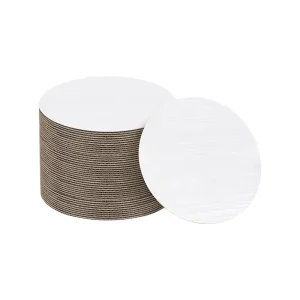
High-precision paper box structures, window packs, and specialized cake bases for global distributors.