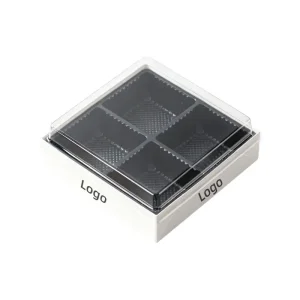
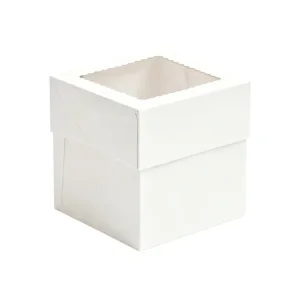
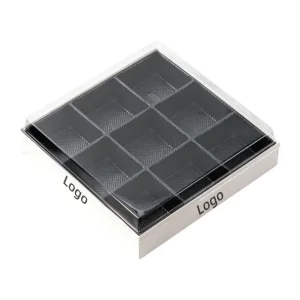
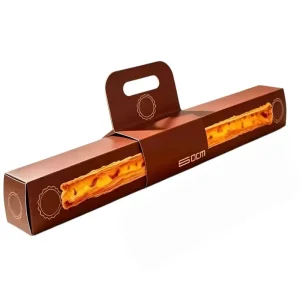
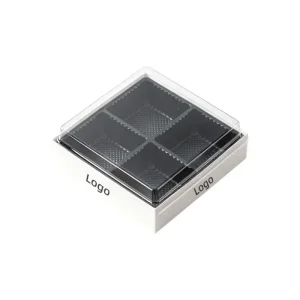
Direct factory tooling, food-grade verified raw materials, and high-clarity laminated structures engineered for enterprise bakery, confectionery, and retail distribution.
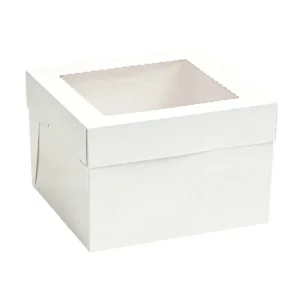
Evaluating the structural migration from rigid containers to flexible multi-layer pouches: Total Cost of Ownership (TCO), carbon footprint reduction, and high-speed automated packaging integration.
Unfilled flexible plastic pouches occupy up to 85% less storage volume compared to rigid glass jars or plastic tubs. A single standard sea freight 40ft High Cube container carries up to 1.2 million flat pouch units, drastically reducing inbound freight overhead, warehouse square-footage costs, and carbon tax penalties across international supply chains.
Modern engineered flexible film laminates incorporate nanometer-scale EVOH, metallized aluminum oxide (AlOx), or solid aluminum foil layers. These multi-layer barriers reduce Oxygen Transmission Rates (OTR) to less than 0.5 cc/m²/24hr, effectively preventing lipid oxidation, moisture gain, and aromatic volatilization in sensitive food, chemical, and pharmaceutical products.
Industrial plastic pouch manufacturing demands strict mechanical tolerances. Our pre-formed stand-up pouches, quad-seal pouches, and rollstock films are precision-calibrated for dynamic Coefficient of Friction (COF 0.15–0.22) and hot-tack strength, permitting seamless operation on automatic horizontal FFS lines operating at up to 180 units per minute.
Selecting the ideal substrate combination requires balancing mechanical tensile strength, thermal sealing windows, optical transparency, and chemical resistance against target product characteristics.
In B2B contract manufacturing, selecting an improper polymer laminate stack can lead to pouch delamination, seal failure during thermal processing, or oxygen ingress that ruins product shelf life. Below is an engineering comparison matrix of primary flexible packaging laminate structures produced across accredited OEM manufacturing facilities.
| Laminate Structure | Typical Thickness | OTR (cc/m²/24h) | WVTR (g/m²/24h) | Primary Industrial Applications |
|---|---|---|---|---|
| PET / AL / PA / CPP 4-Layer Heavy Retort |
110 – 160 µm | < 0.05 | < 0.05 | Thermal retort processed ready-meals, pet food, medical sterilization, MRE military rations (121°C / 30 min). |
| PET / VMPET / LLDPE 3-Layer High-Barrier Metallized |
80 – 120 µm | < 0.5 | < 0.5 | Ground coffee, milk powders, protein supplements, snack foods, chemical reagents requiring light blocking. |
| MDO-PE / EVOH-PE / LLDPE Mono-Material Recyclable |
70 – 110 µm | < 1.0 | < 1.2 | Circular economy compliant food packaging, dry snacks, pet treats meeting EU PPWR & US EPR standards. |
| BOPP / Kraft / VMPET / PE Eco-Hybrid Tactile Barrier |
120 – 180 µm | < 0.8 | < 0.8 | Artisan gourmet bakery items, organic teas, specialty coffee with degas valve, high-end retail display. |
| NY (PA) / LLDPE 2-Layer Puncture-Resistant |
90 – 150 µm | < 25.0 | < 5.0 | Frozen meat/seafood vacuum packaging, sharp bone-in food products, industrial liquids, heavy hardware. |
A packaging factory’s engineering capabilities extend beyond film extrusion to pouch conversion mechanisms. Key structural additions include:
Visual branding demands exact color fidelity and surface treatment contrast:
Inside a world-class flexible packaging manufacturing facility: From raw resin testing to cleanroom converting and automated batch traceability.
Multi-layer co-extrusion blown film lines with automated thickness gauge control (± 1 micron tolerance) ensuring web uniform density.
Computerized automatic registration optical sensors maintaining ΔE color variation below 1.0 across 100,000+ meter production runs.
Temperature-controlled curing rooms (45°C - 55°C) for 48-72 hours to ensure complete cross-linking of solventless adhesives.
High-speed automatic bag-making machines integrating ultrasonic sealers, zipper insertion units, and optical punch dies.
Every batch of wholesale plastic pouches undergoes rigorous physical, chemical, and microbiological testing according to ASTM and ISO standards before releasing export documentation.
Navigating complex international market requirements: How direct factory manufacturing aligns with regional food contact, environmental, and import legislations.
In North America, plastic pouch manufacturers must adhere to strict FDA 21 CFR 177.1520 requirements for olefinic polymers. Additionally, US state-level Extended Producer Responsibility (EPR) laws (such as California SB 54) mandate target thresholds for Post-Consumer Recycled (PCR) resin integration. Enterprise importers require suppliers capable of integrating 25% to 50% FDA-approved food-grade rPE/rPET without compromising seal integrity or film clarity.
The EU Packaging and Packaging Waste Regulation (PPWR) demands that all plastic packaging be designed for recyclability by 2030. Laminated flexible pouches must transition from traditional multi-material structures (like PET/AL/PE) to mono-material polyolefin systems (MDO-PE/PE or PP/PP). Manufacturing lines must provide certified overall migration testing (OMT) under Regulation (EU) No 10/2011.
Flexible pouch exports to Saudi Arabia, UAE, and the GCC region require SASO Quality Mark certifications and conformity under Gulf Technical Regulations. Pouches must withstand extreme ambient storage temperatures (exceeding 45°C) without plasticizer migration or heat-seal creep, making high-vicat softening point polypropylenes (CPP) essential for liquid and paste products.
The Asia-Pacific sector demands rapid turnarounds, high-volume production scalability, and compliance with the Australian Packaging Covenant Organisation (APCO) REDcycle and mono-plastic recovery streams. Custom pouch configurations must balance low unit costs with high puncture resistance for long-distance maritime transport.
Emerging innovations transforming flexible packaging manufacturing: AI inline quality inspection, bio-based barrier polymers, and digital watermark sorting.
100% inline camera vision systems detecting micro-pinholes, seal misalignment, and printing anomalies at 300m/min line speeds.
Full replacement of aluminum foil with vacuum-deposited SiOx/AlOx coatings on MDO-PE film for 100% clear kerbside recyclable pouches.
Integration of invisible HolyGrail 2.0 digital watermarks printed into pouch graphics for automated optical sorting at waste recovery plants.
Commercialization of marine-biodegradable Polyhydroxyalkanoates (PHA) flexible laminates offering industrial barrier performance.
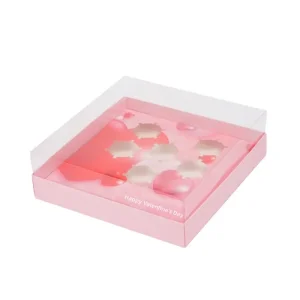
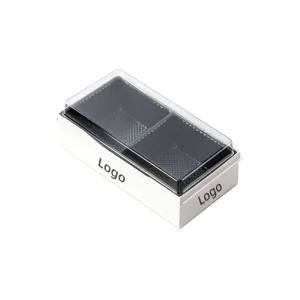
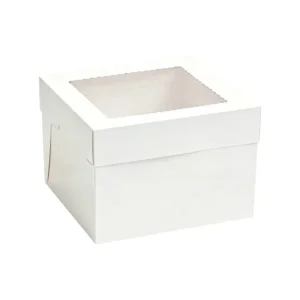
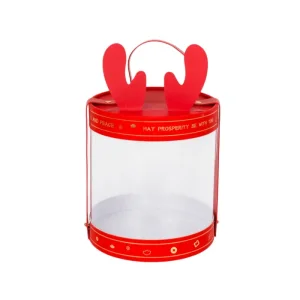
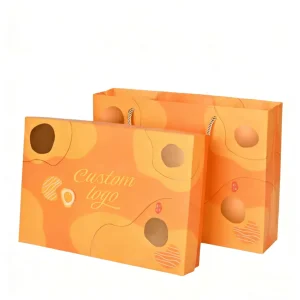
Direct manufacturer OEM/ODM structural containers, paper-plastic hybrid formats, and gift packaging solutions engineered for global commercial distribution.
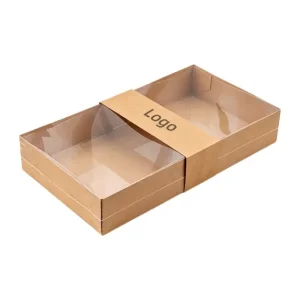
Detailed answers to critical technical questions regarding wholesale plastic pouch procurement, MOQ structures, printing technologies, and food safety certifications.