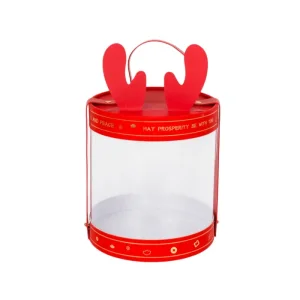
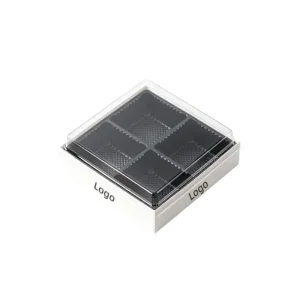
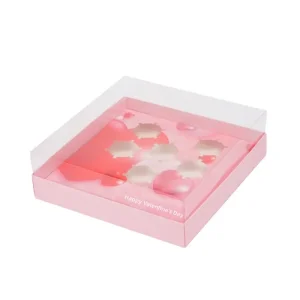
Explore our high-performance ODM structural packaging line manufactured under strict ISO 22000 and food-contact compliance guidelines.
A comprehensive technical evaluation of Original Design Manufacturing (ODM) pouch fabrication for enterprise buyers across FMCG, specialty food, pharmacy, and retail packaging sectors.
In modern flexible packaging supply chains, ODM Small Packaging Pouches have evolved from simple containment vessels into highly specialized barrier systems engineered to protect chemical integrity, preserve shelf life, maximize visual branding, and optimize high-speed automatic filling lines. As global consumer demand shifts toward single-serve snack formats, portion-controlled pharmaceuticals, specialty coffee samplers, and premium beauty travel kits, international procurement directors face increasingly complex trade-offs between physical barrier properties, total packaging weight, circular economy compliance, and unit production economics.
Sourcing ODM flexible packaging requires a deep understanding of multi-layer polymer substrate dynamics, barrier foil vapor transmission metrics, adhesive lamination stability, rotogravure vs. high-definition flexographic printing tolerances, and localized food-contact regulatory approvals. Choosing an experienced ODM supplier in China provides brand owners with vertical engineering capabilities—transforming preliminary resin formulations and artwork concepts into fully certified, shelf-ready pouching formats with minimal lead times and optimized tooling capital expenditures.
Core Procurement Insight: True ODM service goes beyond traditional OEM manufacturing. While OEM follows pre-existing customer drawings, ODM (Original Design Manufacturing) integrates structural die-line R&D, barrier laminate selection, child-resistant closure engineering, and automated packing line compatibility testing directly into the supplier's turn-key responsibility.
Matching film polymer structures to specific product degradation vulnerabilities: Oxygen, moisture vapor, UV radiation, and volatile aromatic loss.
The structural performance of a small flexible pouch relies on its multi-layer laminate architecture. Each substrate layer performs a distinct mechanical or chemical function: the outer layer provides thermal resistance and print receptivity; the central core acts as a high-performance barrier against gas diffusion; and the inner seal layer enables low-temperature hermetic thermal fusion.
PET / AL / LLDPE (or Kraft / AL / PE)
Delivers absolute zero-permeability protection against light, oxygen, and moisture vapor. Ideal for sensitive freeze-dried nutriments, specialty coffee beans, aromatic spices, and active pharmaceutical ingredients requiring multi-year shelf stability.
PET / VMPET / CPP or MOPP / VMPET / PE
Replaces expensive solid foil with vacuum-metallized PET film. Provides high-end metallic visual sheen and strong gas barrier values at lower grammage weights and reduced shipping costs for commercial retail snack packaging.
BOPE / EVOH-PE / LLDPE or MOPP / CPP
Designed to satisfy strict EU EPR legislation and circular economy mandates. Replaces mixed-plastic structures with 100% Polyethylene or Polypropylene laminates suitable for kerbside plastic recycling streams (Code 2 / Code 5).
Kraft Paper / NKME / PBAT + PLA
Utilizes plant-based bio-resins and sustainably harvested paper pulp. Certified under EN 13432 and ASTM D6400 industrial composting standards, offering eco-conscious brands a zero-petroleum packaging alternative.
| Film Laminate Structure | Typical Thickness (μm) | OTR (cc/m²/24h @ 23°C) | WVTR (g/m²/24h @ 38°C) | Primary Industrial Application |
|---|---|---|---|---|
| PET / AL / LLDPE | 90 - 140 | < 0.5 | < 0.5 | Coffee beans, dry milk powder, pharmaceuticals |
| PET / VMPET / PE | 70 - 110 | < 1.5 | < 1.0 | Confectionery, bakery treats, premium tea sachets |
| Kraft Paper / VMPET / PE | 110 - 160 | < 2.0 | < 1.5 | Organic snacks, artisanal granola, gourmet pet treats |
| Mono-PE (BOPE / EVOH-PE) | 80 - 120 | < 2.5 | < 2.0 | Sustainable retail packaging, kerbside recyclable snacks |
| Paper / PLA (Compostable) | 100 - 150 | < 15.0 | < 10.0 | Short-shelf-life bakery, dry herbs, eco tea bags |
Unlocking unprecedented scale, advanced converting machinery, and rapid prototyping capabilities within Guangdong's packaging hub.
Global procurement directors increasingly lean on Chinese ODM packaging partners not merely for labor cost efficiency, but for unparalleled vertical integration across the entire flexible converting value chain. In specialized packaging industrial clusters like Chaozhou and Shenzhen (Guangdong Province), all stages of pouch manufacturing—from resin compounding, film blowing, and electronic cylinder engraving to high-speed solventless lamination and automated bag conversion—exist within a tight geographic radius.
Direct ownership of high-precision electronic engravers allows custom rotogravure printing cylinders to be produced in 3 to 5 business days, dramatically shortening time-to-market for seasonal product rollouts.
Modern Chinese plants employ Nordmeccanica solventless laminators, eliminating solvent retention issues, reducing VOC emissions, and guaranteeing pristine odor-free pouches suitable for delicate food items.
Automated high-speed pouch formers accommodate complex geometries: 3-side seal, stand-up pouches with press-to-close zippers, side-gusseted quad-seal bags, shaped die-cut pouches, and top/corner spouts.
Ensuring absolute safety compliance across FDA, EU food contact legislation, and international transit standards.
Enterprise procurement requires total verification that flexible packaging materials emit zero toxic migration when in direct contact with lipids, acids, or alcohol bases. Leading Chinese ODM pouch suppliers operate strict cleanroom conversion environments (Class 100,000) certified under ISO 22000, BRCGS Grade A, and HACCP protocols.
All virgin polymer resins, printing inks, and laminating adhesives are fully documented for food contact under US FDA regulations and European Regulation (EC) No 1935/2004.
Batch-level testing with food simulants (isooctane, 10% ethanol, 3% acetic acid) ensures heavy metals, phthalates, BPA, and primary aromatic amines remain below quantifiable detection limits.
In-house lab checks include Seal Strength Testing (ASTM F88), Burst Pressure Resistance (ASTM F2054), Friction Coefficient (ASTM D1894), and Drop Impact Integrity.
Custom pouch engineering tailored to distinct regional consumer habits, climate stresses, and retail infrastructure.
Focus: Sustainability & High Visual Impact
Demands mono-material recyclable PE pouches, soft-touch tactile matte finishes, clear windows, press-to-close zippers, and child-resistant closures for pharmaceuticals, cannabis edibles, and specialty organic snack lines.
Focus: Extreme Barrier & Premium Aesthetics
Requires ultra-high thermal resistance and absolute foil barrier structures to resist harsh ambient heat during transport. Popular formats include metallic foil date pouches, saffron sachets, and luxury confectionery gift packaging.
Focus: High-Speed Economy & Single-Serve Convenience
Driven by high-volume sachet filling lines for instant beverage powders, condiments, personal care trial packs, and single-serve bakery accompaniments requiring low unit cost and fast sealing speeds.
Navigating the shift toward Post-Consumer Recycled (PCR) resins, mono-material structures, and industrially compostable films.
As international extended producer responsibility (EPR) regulations tighten, procurement managers must decarbonize their packaging footprints. Modern ODM flexible suppliers in China are leading this transition by offering certified 30%–50% PCR-content polyethylene films that reduce reliance on virgin fossil fuels without compromising puncture strength or barrier integrity.
Furthermore, innovative mono-material polyolefin constructions (BOPE/PE and MOPP/CPP) allow brand owners to place "Recyclable" logos directly on their retail pouches, boosting consumer goodwill while avoiding non-recyclable plastic surcharges in European markets.
How an experienced China factory seamlessly transitions your project from preliminary napkin sketch to full container delivery.
Evaluation of product chemistry, target shelf life, ambient storage conditions, filling machinery specs, and target retail pricing.
Packaging engineers draw accurate CAD dielines and render photorealistic 3D pouch visuals with tear notch and zipper placements.
Digital GMG color proofs match Pantone targets; high-speed electronic engravers cut steel printing cylinders.
Rotogravure printing, solventless lamination, curing, pouch slit-forming, lab QA inspection, and palletized ocean freight shipment.
Expert answers regarding minimum order quantities, tooling charges, barrier life, custom valve integrations, and freight packing optimization.
For unprinted stock pouch structures or digital printing runs, MOQs start as low as 3,000 to 5,000 pieces per SKU. However, for high-definition rotogravure printing on dedicated custom laminate films, the standard factory production MOQ is typically 10,000 to 30,000 pieces per SKU depending on pouch dimensions. Combining multiple artwork SKUs of identical die-line dimensions on a single production run can significantly lower per-design volume thresholds.
Every production batch undergoes systematic Oxygen Transmission Rate (OTR) and Water Vapor Transmission Rate (WVTR) testing using MOCON instrumentation. By engineering multi-layer structures incorporating pure aluminum foil (AL) or high-density EVOH-PE resins, we guarantee OTR levels under 0.5 cc/m²/24hr and WVTR under 0.5 g/m²/24hr, ensuring long shelf life even under harsh tropical humidity.
Yes. Our automated pouch conversion lines are equipped with precision ultrasonic and thermal applicator stations. We routinely integrate one-way degassing valves for fresh coffee beans, tamper-evident tear notches, ergonomic corner spouts for liquids, laser-scored easy-open lines, and certified push-and-turn child-resistant press zippers for sensitive products.
Each container shipment is supplied with a comprehensive quality and compliance dossier, including: Commercial Invoice, Detailed Packing List, Clean Bill of Lading, Certificate of Origin (Form E/CO), Food Contact Safety Declaration (FDA 21 CFR / EU 10/2011), and batch laboratory test reports for heavy metals and overall migration limits.
Compared to rigid plastic bottles or folded cardboard boxes, flexible pouches ship completely flat or nested. This reduces cubic cargo volume by up to 35%–50%, allowing enterprise buyers to pack millions of units into a single 40ft HQ ocean container, drastically cutting ocean freight costs per unit and minimizing warehouse floor space consumption.
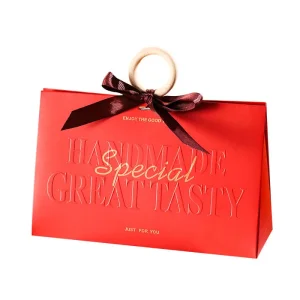
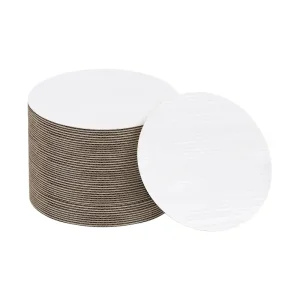
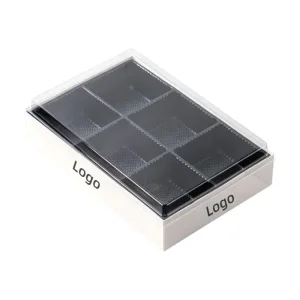
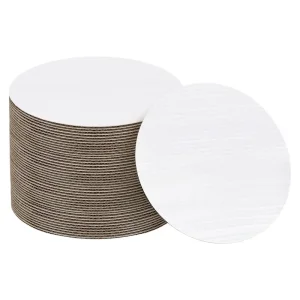
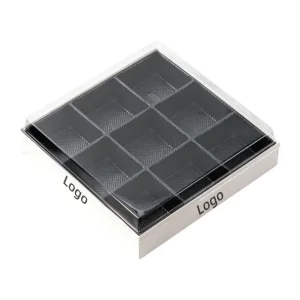
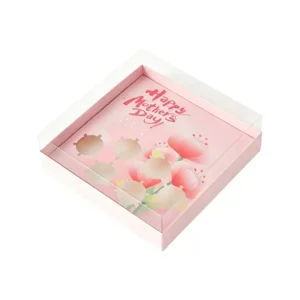
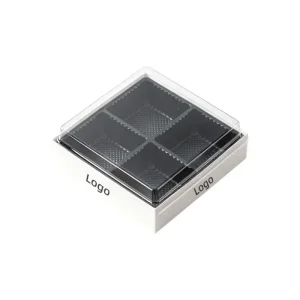
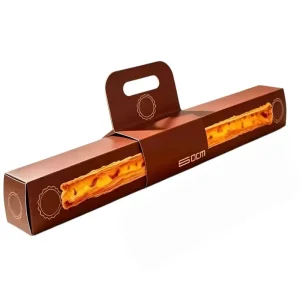
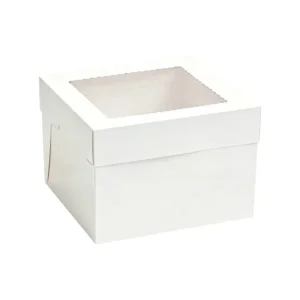
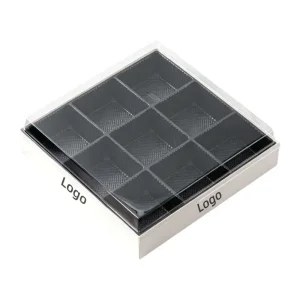
Discover our complementary line of food-grade gift boxes, corrugated cake bases, treat bags, and multi-compartment takeaway systems.