High-Barrier Cold-Chain Flexible Packaging, Custom Laminated Sub-Zero Films & Industrial Monomaterial Bag Solutions
Explore our custom OEM/ODM packaging structures, engineered for cold-chain integrity, food-contact safety, and shelf-impact visual presentation.
The international frozen food market is undergoing a seismic paradigm shift, projected to surpass $380 Billion USD by 2030. Driven by rapid urbanization, evolving retail consumer preferences for Individually Quick Frozen (IQF) proteins, ready-to-eat gourmet meals, frozen baked pastries, and plant-based meat substitutes, demand for advanced flexible packaging bags has escalated beyond simple containment. Modern frozen food packaging operates as a critical cold-chain barrier system engineered to survive harsh freezing environments ranging from -18°C to -40°C.
Global demand for flexible frozen food packaging bags is expanding at a CAGR of 6.4%. Primary growth drivers include supermarket freezer-aisle expansion, e-commerce direct-to-door cold-chain logistics, and institutional food service procurement across North America, Europe, and the Middle East.
Conventional flexible bags suffer glass-transition embrittlement at sub-zero temperatures. OEM suppliers must deploy specialty linear low-density polyethylene (LLDPE) blends modified with metallocene catalysts to prevent drop-impact punctures and flex-cracking under physical transport friction.
Freezer burn occurs when water molecules migrate out of frozen food into ambient package air pockets. Ultra-low Water Vapor Transmission Rate (WVTR) co-extrusions seal moisture within the product matrix, eliminating cellular dehydration and preserving texture and flavor integrity.
Selecting the correct substrate stack requires balancing mechanical elasticity, seal-through-contamination capabilities, optical transparency, and gas diffusion barriers. As an established OEM factory, our technical team specifies customized laminates based on exact food composition (fat ratio, moisture content, sharpness of frozen edges).
| Material Formulation Stack | Key Performance Attribute | Target Frozen Food Category | WVTR / OTR Specs |
|---|---|---|---|
| PET / mLLDPE | High gloss, scuff resistance, excellent hot-tack seal integrity at fast pouching speeds. | IQF Vegetables, Frozen Berries, Sliced Bread | WVTR: <1.2 g/m²/day OTR: <45 cc/m²/day |
| BOPA (Nylon) / mLLDPE | Extreme puncture resistance, flex-crack immunity, superior fatigue resistance under deep freeze. | Frozen Shellfish, Bone-in Meat, IQF Poultry | WVTR: <1.0 g/m²/day OTR: <25 cc/m²/day |
| PET / AL / BOPA / LLDPE | Absolute zero-permeability foil layer; total protection against oxygen, light, and aroma loss. | Frozen Gourmet Sauces, Premix Soups, Butter Products | WVTR: ~0.0 g/m²/day OTR: ~0.0 cc/m²/day |
| BOPP / VM-PET / PE | High reflective silver barrier, metallic branding aesthetics, cost-efficient light shielding. | Ice Cream Novelties, Frozen Dessert Bars | WVTR: <0.5 g/m²/day OTR: <1.5 cc/m²/day |
| Monomaterial PE / PE (EVOH) | 100% kerbside recyclable structure with high-barrier EVOH co-extrusion for EU PPWR compliance. | Sustainable Retail IQF Lines, Organic Products | WVTR: <0.8 g/m²/day OTR: <2.0 cc/m²/day |
Frozen food packing machinery operates at high cycle counts. Food fat, dust, or moisture in the seal area causes seal blowout. Our proprietary sealant PE resins feature low seal-initiation temperatures (SIT) and broad sealing windows, guaranteeing airtight seals even through severe grease or ice film contamination.
Punctures from frozen shrimp tails, crab legs, or bone cuts ruin vacuum sealing. By incorporating high-hexene or octene-based LLDPE co-extrusions combined with biaxially-oriented polyamide (BOPA), our pouches pass rigorous 2-meter sub-zero drop tests without structural delamination or seal rupture.
Partnering directly with a direct Chinese OEM manufacturer yields profound structural cost efficiencies, technical speed-to-market, and manufacturing agility that regional converting desks cannot match.
By leveraging concentrated raw resin procurement networks, localized printing cylinder engraving hubs, and energy-optimized automated bag converting lines, our clients achieve a 18% to 32% net unit price reduction compared to Western converting operations.
Equipped with computerized registration control rotogravure presses operating up to 350 meters per minute, we produce photo-realistic high-definition product imagery, crisp nutrition panels, and custom spot-matte/gloss finishes with absolute color fidelity across millions of units.
From initial resin co-extrusion and adhesive dry/solventless lamination to high-precision pouch slitting and spout/zipper insertion, every phase is completed under ISO 22000 and BRCGS food safety standard protocols within our unified manufacturing facility.
Different frozen food distribution channels demand unique bag geometries, ergonomic user functionality, and shelf-merchandising characteristics. We deliver tailored structural options engineered for specific food sectors.
Ideal for frozen fruits, dumplings, nuggets, and bakery products. Equipped with freezer-grade press-to-close zippers that retain tactile closing feedback even under frozen conditions. Bottom gusset design optimizes vertical standing stability on freezer shelf displays.
Engineered for high-density frozen seafood packs, wholesale poultry portions, and foodservice catering cuts. Reinforced 4-corner seals offer massive stacking integrity and maximize pallet cubing utilization during refrigerated container shipping.
Formulated with high-barrier co-extruded nylon/PE layers, vacuum bags extract ambient oxygen around primals and sub-primals. Prevents lipid oxidation, drip loss, and extends commercial refrigerated/frozen shelf-life up to 18 months.
Designed for consumer convenience in ready-to-eat frozen meal kits. Utilizing precision laser-microperforations or special self-venting pressure seals, consumers can place the frozen package directly into microwave ovens for rapid steaming without manual bag cutting.
As environmental regulations such as the EU Packaging and Packaging Waste Regulation (PPWR) take effect, global food enterprise procurement teams must align operational purchasing with strict ESG compliance and cold-chain safety standardizations.
Traditional multi-material films (e.g., PET/PE) are unrecyclable due to layer separation difficulty. Global brands are rapidly upgrading to mono-material PE/PE structures integrated with barrier EVOH, enabling 100% kerbside plastic recycling while maintaining strict barrier performance.
International procurement requires comprehensive documentation tracing back to virgin resin lots. OEM partners must supply FDA 21 CFR 177.1520 compliance declarations, EU 10/2011 food-contact safety reports, heavy metal testing (CONEG/REACH), and Migration Test certificates.
Enterprise buyers require agile pilot runs to test new product SKUs before full commercial scale. Our factory provides low-MOQ pre-production sample tooling, digital pre-press proofing, and scalable ocean/air logistics under FOB, CIF, or DDP terms.
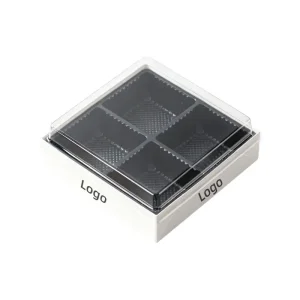
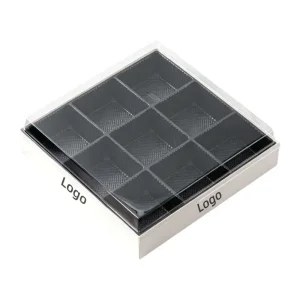
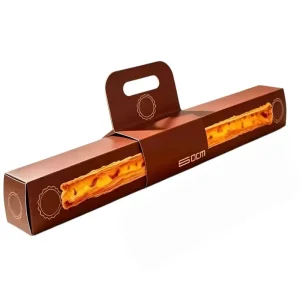
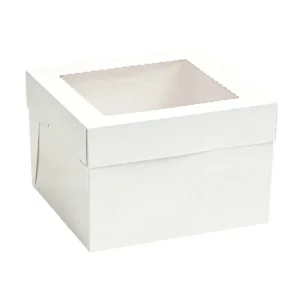
Explore additional customized bakery, catering, and food retail packaging models produced in our modern manufacturing workshop.
Technical insights and answers directly from our packaging engineers and global trade compliance desk.
For custom rotogravure printed pouches using existing film structures, our standard MOQ starts at 10,000 to 20,000 pieces per SKU depending on bag dimensions. For unprinted or stock sizes with custom adhesive labels, trial orders can start at 5,000 pieces. Full container loads (20ft/40HQ) allow multi-SKU aggregation to optimize ocean freight rates.
Flex-cracking occurs when standard PE or PET films lose chain mobility under extreme cold. We solve this by incorporating oriented polyamide (BOPA/Nylon) co-extrusions or metallocene-catalyzed LLDPE sealant layers. Metallocene resins impart superior elastomeric ductility, ensuring the bag absorbs mechanical shock and physical handling flex without micro-fracturing.
Yes. All raw film resins, solventless lamination adhesives, and rotogravure printing inks used in our manufacturing process are 100% food-grade compliant under FDA 21 CFR 177.1520 and EU Regulation 10/2011. Every production shipment is issued with comprehensive Certificates of Analysis (COA), overall migration test data, and heavy metal compliance reports.
Absolutely. We offer full mono-material PE/PE and monomaterial PP pouch solutions specifically engineered to meet global circular economy regulations (such as EU PPWR). By pairing high-density PE outer layers with specialized high-barrier EVOH co-extruded inner PE sealants, we achieve zero-foil high-barrier performance while remaining 100% recyclable in standard plastic streams.
Digital pre-press 3D proofs are delivered within 48 hours. Once artwork is approved, printing cylinder engraving takes 5-7 working days. Physical pre-production samples require 7-10 days. Mass production is completed within 15 to 25 days following sample confirmation, with accelerated emergency turnaround options available for seasonal spikes.
Our export logistics team calculates precise carton nesting and palletization layouts to maximize 40HQ container cubic capacity, reducing shipping costs per thousand units. We handle full export documentation under FOB, CIF, or DDP terms, including Commercial Invoice, Packing List, Bill of Lading, Certificate of Origin (Form E/FTA), and Food Contact Declarations.