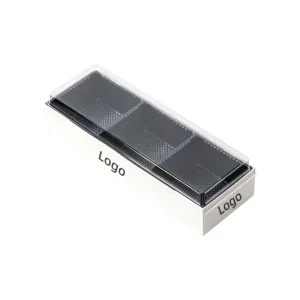
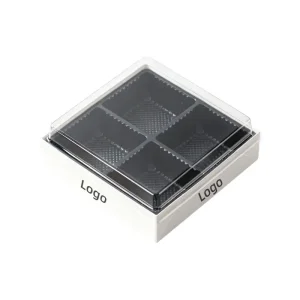
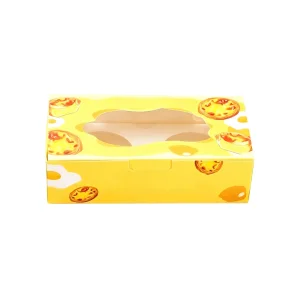
Engineered for maximum structural integrity and minimal volumetric footprint during transit.

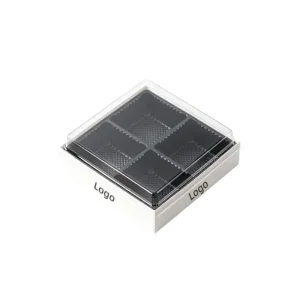
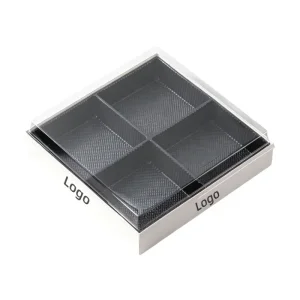
Analyzing freight physics, warehouse slotting friction, and carbon accounting imperatives in international B2B supply chains.
In the contemporary global logistics paradigm, the physical volume occupied by secondary and tertiary packaging during ocean maritime transit and last-mile fulfillment has emerged as a primary cost driver. Modern supply chain operations face escalating challenges associated with freight rate volatility, strict container utilization metrics (CBM optimization), and stringent Scope 3 carbon emission disclosures. Within this operational context, OEM Space-Saving Paper Boxes—specifically engineered collapsible, flat-pack, and multi-folding paperboard structures—have transitioned from a mere packaging preference to an essential enterprise risk-mitigation standard.
Traditional rigid set-up boxes inherently suffer from the fundamental inefficiency of "shipping air." When empty containers transport assembled paperboard packaging, up to 80% of the interior container volume is occupied by empty space. This spatial redundancy directly amplifies freight expenses per unit, inflates warehousing costs per square meter, and increases the carbon intensity of every product delivered to international markets. OEM space-saving paper box factories solve this systemic inefficiency by leveraging advanced structural engineering, high-precision CAD die-cutting, and automated pre-gluing mechanisms to ship products flat, enabling a container compression factor of up to 5:1 compared to rigid alternatives.
How specialized OEM factories engineered high load-bearing capacity into paperboard flat-packs.
Factories utilize high-tensile virgin kraft board, solid bleached sulfate (SBS), and specialized micro-corrugated fluting (F-flute, E-flute, and N-flute). Caliper controls range from 250 gsm to 450 gsm, ensuring optimal stiffness-to-weight ratios capable of supporting stackable retail loads without sidewall bulges.
Advanced zero-margin creasing matrix technology prevents surface fiber cracking along multi-fold stress lines. Precise depth and width scoring allows instantaneous self-assembly at retail counter sites, saving up to 8 seconds of labor per unit assembled.
Compliance with global food-contact mandates requires replacing traditional PE/Fluorochemical layers with aqueous bio-based dispersion coatings. These coatings deliver high Cobb values (<15 g/m²), resistance to fats and oils, and complete recyclability within standard paper streams.
| Material Substrate | Structural Flute / Caliper | Bursting Strength (KPA) | CBM Compression Factor | Primary Commercial Use |
|---|---|---|---|---|
| Solid Bleached Sulfate (SBS) | 0.45mm / 350 GSM | ≥ 480 KPa | 4.2 : 1 | Luxury Retail, Branded Bakery & Pastry Boxes |
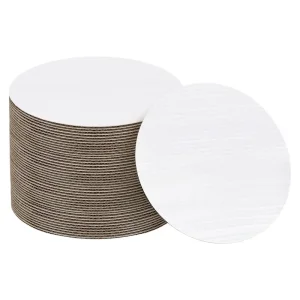
| Micro-Corrugated Board | F-Flute (0.75mm thickness) | ≥ 750 KPa | 5.1 : 1 | Heavy-Duty Cake Drums, Multi-Tiered Gift Boxes |
| Unbleached Virgin Kraft | E-Flute (1.50mm thickness) | ≥ 920 KPa | 3.8 : 1 | Takeaway Catering Platters, Cold-Chain Delivery |
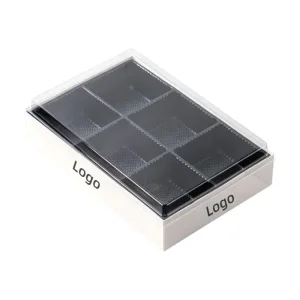
| Food-Grade rPET / Board Hybrid | 300 GSM + 0.25mm PET Window | ≥ 520 KPa | 4.5 : 1 | Clear-Lid Dessert Containers, Fresh Fruit Packs |
How automation, smart die-lines, and sustainable chemistry are redefining OEM manufacturing services.
Modern high-speed OEM folding lines integrate inline automatic 4-corner and 6-corner gluing machines. This structural advancement allows the packaging to be shipped completely flat, while enabling the end-user (bakery operator, retail employee) to pop the box open instantly with a single diagonal push, locking the side tabs automatically into position.
Integrating clear visual display panels onto collapsible paper boxes previously compromised vertical stacking strength. Modern OEM services utilize laser-die patching of ultra-thin, anti-fog recycled PET (rPET) or cellulose films combined with reinforced corner posts to maintain top-load strength exceeding 120 kg per column during cold-chain storage.
Deploying OEM space-saving paper packaging across diverse global commercial channels.
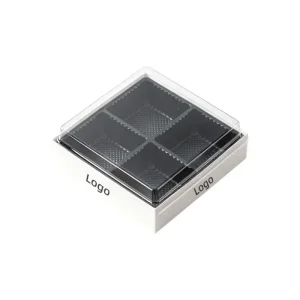
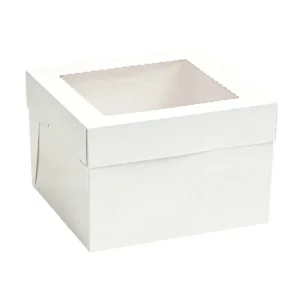
Enterprise bakery chains operating hundreds of retail locations face extreme back-of-house storage constraints. By converting from rigid setup boxes to OEM flat-pack window cake boxes and collapsible pastry boxes, regional franchises store up to 500 units in the space previously occupied by 80 units.
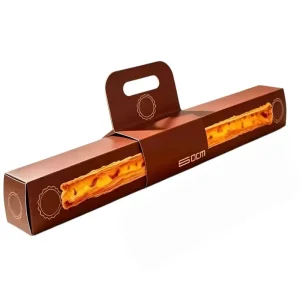
Last-mile food delivery platforms require packaging that resists oil breakthrough while preserving internal heat. OEM grease-resistant multi-compartment boxes feature pop-up dividers and steam vent cutouts, providing structural rigidness under stacking loads while shipping flat to central distribution hubs.
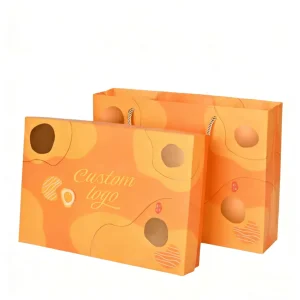
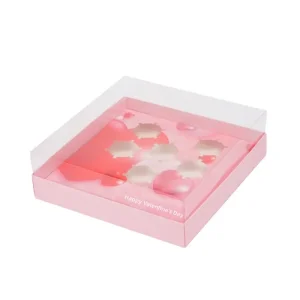
Specialty gift programs (Christmas candy boxes, Valentine dessert sets) demand premium aesthetics such as gold foil stamping, soft-touch matte lamination, and clear view covers. OEM factories combine luxury surface finishing with flat-pack structural engineering, minimizing international air-freight costs during peak seasons.
Anticipating regulatory shifts, AI structural synthesis, and carbon-zero manufacturing systems.
Transitioning 100% of OEM product lines to mono-material bio-cellulose window structures, ensuring complete compatibility with standard paper mill recycling infrastructure and compliance with the EU Packaging and Packaging Waste Regulation (PPWR).
Deployment of proprietary neural network algorithms that analyze product geometry, weight, and transit stress profiles to automatically generate optimized flat-pack die-lines within seconds, eliminating prototype iteration delays and material waste.
Integration of fully closed-loop solar powered production facilities utilizing water-less ink printing technologies, real-time machine vision quality control, and zero-landfill scrap recovery systems for all OEM paper box manufacturing operations.
Technical guidance for packaging engineers, procurement managers, and international importers.
Explore our complete manufacturing portfolio designed for international brands and importers.