Explore our certified direct-factory product line engineered for maximum barrier efficiency, shelf appeal, and food-grade safety standards.
Macroeconomic market analysis, structural shifts in B2B supply chains, and technical performance drivers.
The global market for flexible seal packaging pouches is experiencing a paradigm transformation. Driven by stringent food safety regulations, heightened consumer demand for extended shelf-life, and aggressive corporate sustainability commitments, enterprise buyers worldwide are migrating rapidly from rigid glass and metal containers to high-performance flexible pouch structures. Forecasted to expand at a CAGR of over 6.4% through the next decade, flexible seal packaging pouches represent a critical vertical within industrial supply chains, spanning food processing, specialty chemicals, pharmaceuticals, and fast-moving consumer goods (FMCG).
Modern pouch manufacturing leverages nano-extrusion and high-clarity metalized coatings, eliminating pinhole vulnerabilities while offering gas and moisture vapor transmission rates (WVTR/OTR) near zero.
Advanced hot-tack polymer formulations prevent seal breach during high-speed automated vertical form-fill-seal (VFFS) and horizontal form-fill-seal (HFFS) packaging operations.
The industry focus has accelerated toward mono-material polyethylene (PE) and polypropylene (PP) pouches that deliver full kerbside recyclability without sacrificing shelf-life protection.
A deep dive into laminate structures, thermal sealing mechanics, and permeation resistance metrics.
A high-performance seal packaging pouch is never a single sheet of plastic; it is a meticulously engineered composite laminate structure comprising specialized functional layers. Each layer is co-extruded or adhesively laminated to fulfill distinct mechanical, optical, barrier, and sealing requirements. Understanding the technical interplay between these substrates is essential for enterprise procurement teams seeking optimal ROI and zero product failure rates.
| Substrate Layer | Material Specification | Primary Functional Role | Typical Barrier Performance |
|---|---|---|---|
| Outer Printable Layer | BOPET (12µm) / BOPA Nylon (15µm) / Kraft Paper | Reverse printing surface, mechanical strength, puncture & thermal resistance during sealing | Tensile Strength: >200 MPa |
| Central Barrier Layer | AL Foil (7-9µm) / VMPET / EVOH / SiOx Coating | Total gas, light, aroma, and moisture vapor blockade | OTR: < 0.1 cc/m²/24h WVTR: < 0.1 g/m²/24h |
| Tie / Bonding Layer | Solventless Polyurethane Adhesives / Extrusion PE | Delamination prevention under thermal stress and internal hydrostatic pressure | Bond Strength: > 2.5 N/15mm |
| Inner Sealant Layer | LLDPE / mPE (Metallocene) / CPP (Cast Polypropylene) | Low-temperature hermetic sealing, hot-tack strength, grease resistance, direct food contact | Seal Strength: 35-60 N/15mm |
Thermal seal integrity is governed by three primary variables: Temperature, Pressure, and Dwell Time. Manufacturing seal packaging pouches requires precise calibration of the seal layer chemistry. Metallocene-catalyzed Linear Low-Density Polyethylene (mPE) provides narrow molecular weight distribution, allowing thermal sealing directly through food dust, oils, and liquid contaminants without creating micro-channels or void leaks.
Why sourcing direct from Guangdong/Chaozhou manufacturing hubs optimizes unit economics and time-to-market.
China remains the undisputed global epicenter for flexible packaging manufacturing. Regions like Chaoshan (Chaozhou/Shantou) in Guangdong Province house integrated industrial ecosystems where raw polymer resin synthesis, high-speed 10-color gravure cylinder engraving, solventless laminating, and automated pouch-making operate within a concentrated 30-kilometer radius.
In-house cylinder cutting and direct film extrusion reduce prototype production cycles from weeks to just 3 to 5 working days. Mass production runs of over 500,000 pouches are typically completed within 15 to 20 days.
By engineering flat-pack pouch geometries and high-density nested bundle packing, Chinese factories maximize 40ft HQ container loading capacity by up to 35%, drastically lowering landed per-unit transport costs.
State-of-the-art Chinese factories employ High-Speed Automated Optical Inspection (AOI) systems integrated directly into pouch converting lines, detecting micro-pinholes, printing registration flaws, and edge defects in real time at 300 meters per minute.
Custom engineering tailored to diverse commercial sectors, operating environments, and filling technologies.
Resealable press-to-close zippers, degassing valves for whole-bean coffee, clear PET display windows, and anti-fog internal coatings for fresh bakery goods and confectionery.
Class 100,000 cleanroom converting, puncture-resistant Nylon/AL laminates, child-resistant (CR) press-lock closures, and full gamma/ETO sterilization compatibility.
Heavy-duty gusseted stand-up pouches, chemical-resistant inner resins, ergonomic die-cut handles, and tamper-evident spout fitments for liquid and granular chemicals.
High-barrier quad-seal box pouches designed to resist animal fat oxidation, withstand heavy fill weights (up to 15kg), and maintain structural integrity during transit.
Compliance, international certification standards, and laboratory test protocols ensuring zero-defect delivery.
When selecting a wholesale seal packaging pouch manufacturer, global procurement teams must verify that production lines adhere strictly to international food-contact safety standards and industrial QA protocols. Below are mandatory testing standards applied prior to cargo dispatch:
Innovations shaping the future of high-barrier flexible packaging.
Eliminating multi-material laminates that are difficult to recycle. Modern MDO-PE (Machine Direction Oriented PE) films match the tensile strength and heat resistance of PET while keeping the pouch 100% recyclable within Riclass 2 PE streams.
Plant-derived bio-polymers combined with certified industrially compostable high-barrier coatings, decaying into organic matter within 180 days under standard composting conditions (EN 13432 compliant).
Direct gravure printing of dynamic QR codes and anti-counterfeiting digital watermarks, allowing full supply-chain batch traceability, consumer engagement, and automated sorting at recycling centers.
Direct answers to common commercial, engineering, and manufacturing questions from B2B buyers.
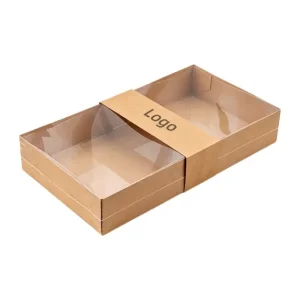
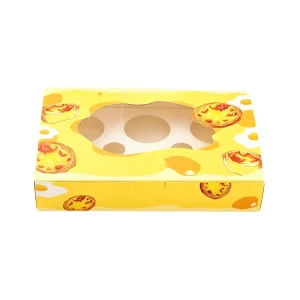
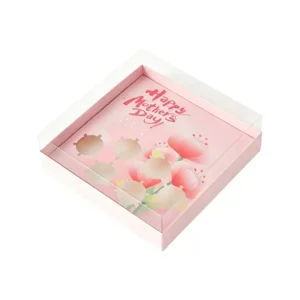
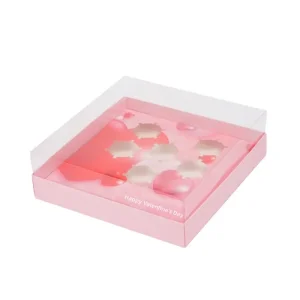
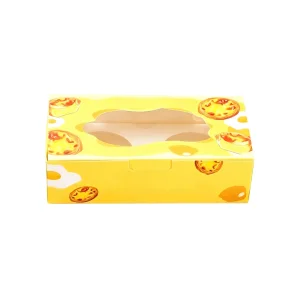
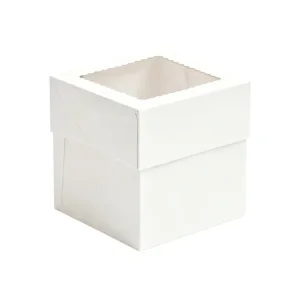
Complementary packaging formats engineered for high-volume bakery, confectionery, and food takeaway distribution.